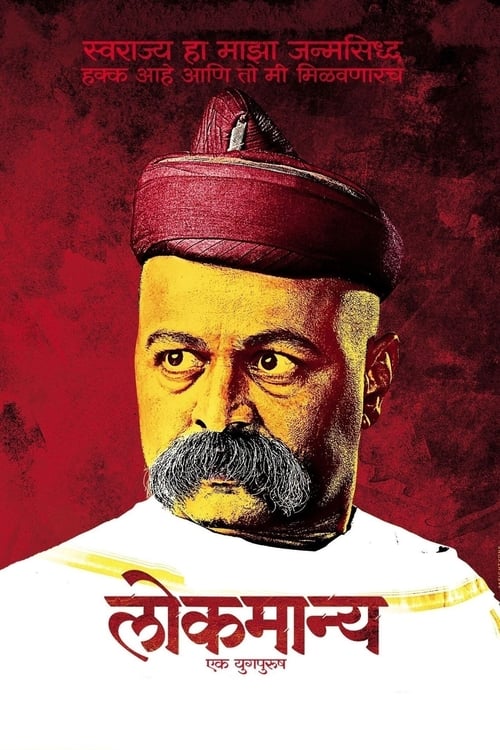
Lokmanya: Ek YugPurush
2015
No user ratings available yet
Representation score: 3.3 out of 10
Representation Score
Limited
1997
Director
Mani Ratnam
Runtime
140 minutes
Average Rating
No ratings yetNew Showbiz Analysis
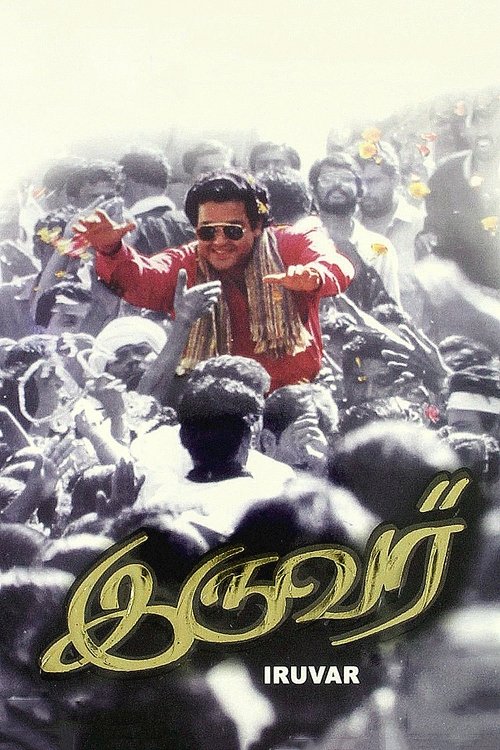
Mani Ratnam’s historical meta-narrative succeeds as a sophisticated study of power and regional identity. It effectively deconstructs the intersection of cinema and politics, offering a nuanced look at how mass media shapes leadership and social hierarchies. However, the film remains tied to the patriarchal norms of its setting. The heavy focus on male-driven political drama limits the roles of female characters and excludes queer perspectives entirely. Ultimately, the film's strength lies in its cultural critique and its ability to challenge traditional biographical clichés through a localized, South Indian lens.
Category Breakdown
The film focuses on the rivalry and brotherhood between two central male figures, emphasizing traditional masculinity. There is no presence of LGBTQ+ identities or queer perspectives.
The narrative centers on male professional and political roles. Female characters primarily serve as emotional anchors within traditional social frameworks, reflecting the patriarchal structures of the era.
The film offers a profound exploration of regional identity by focusing on the Dravidian movement. It disrupts North Indian-centric cinematic lenses by prioritizing a localized, authentic South Indian cultural landscape.
The story critiques how cinema and media serve as tools for political mobilization. It explores the Dravidian movement's historical challenge to traditional religious hierarchies.
There are no prominent depictions of visible or invisible disabilities that serve as central narrative drivers in this work.
Present on Screen
Limited or Absent
Official Synopsis
A fictionalized account of the lives of 1980s Tamil Nadu political icons M. G. Ramachandran and M. Karunanidhi, continuing the tryst between Tamil cinema and Dravidian politics.
2015

2001
2019
2018

2001
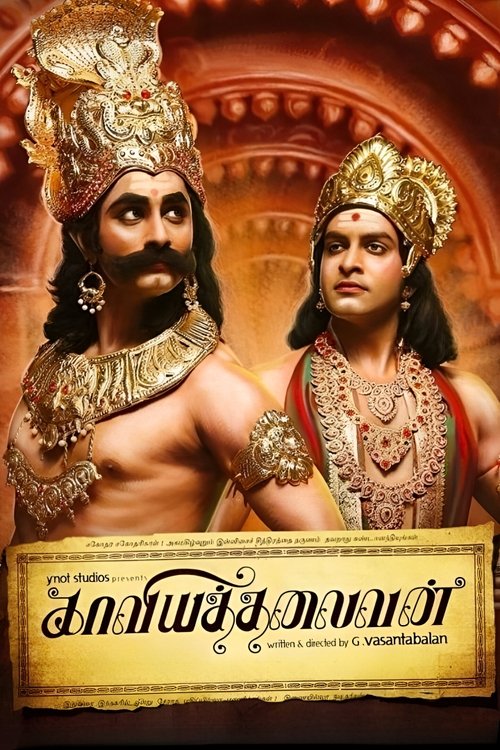
2014
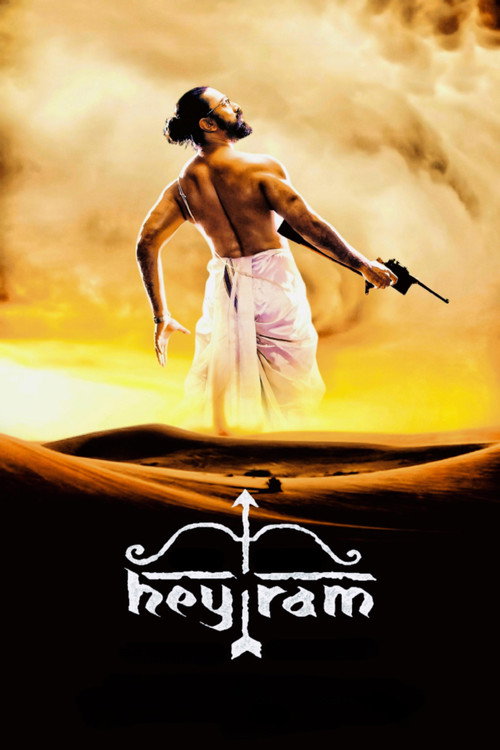
2000
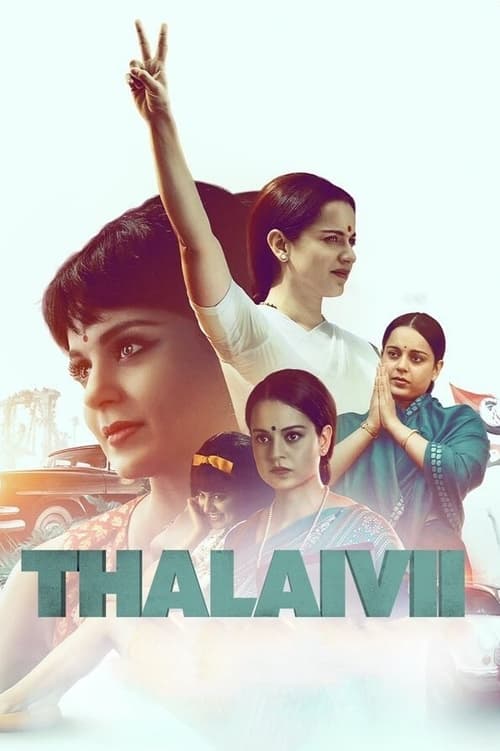
2021
No reviews yet. Be the first to share your thoughts on this movie!
Use the rating form above to leave a star rating and optional review.