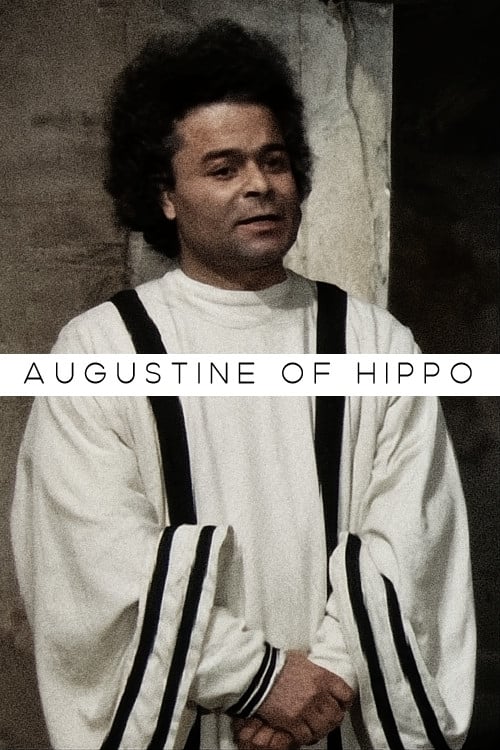
Augustine of Hippo
1972
No user ratings available yet
Diversity score: 3.1 out of 10
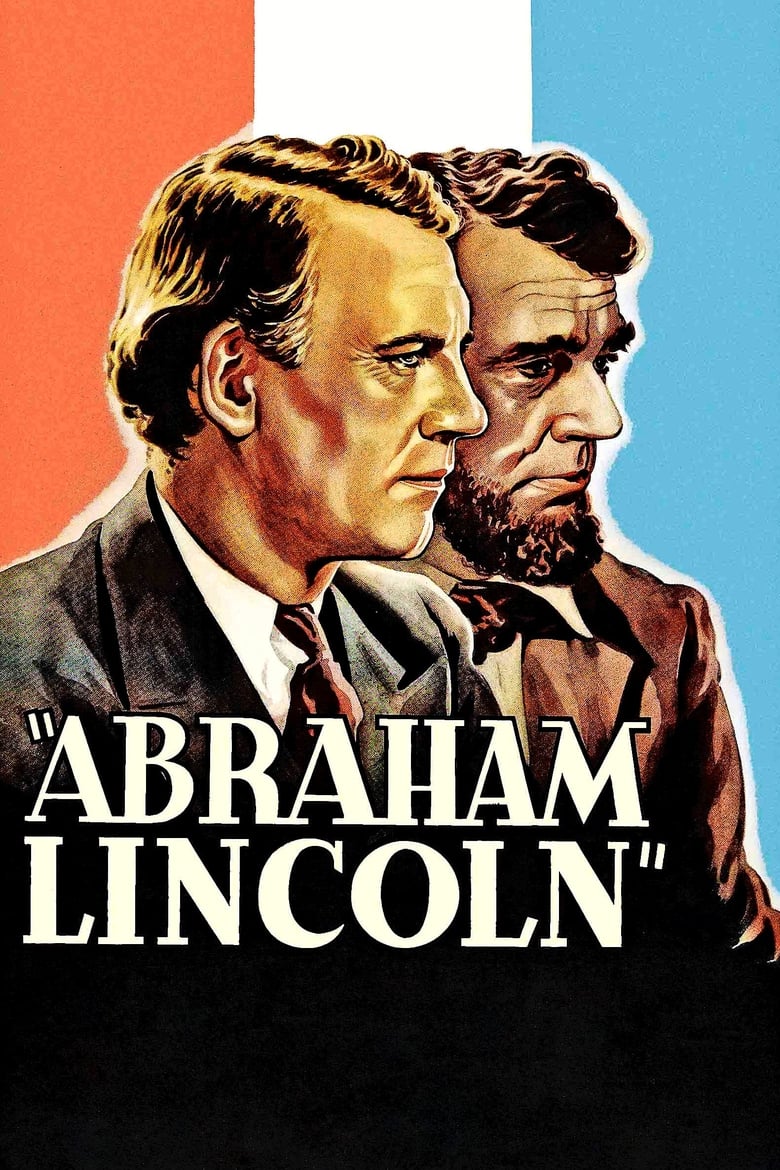
1930
ApprovedDirector
D.W. Griffith
Runtime
83 minutes
Average Rating
No ratings yetSynopsis
A biopic dramatizing Abraham Lincoln's life through a series of vignettes depicting its defining chapters: his romance with Ann Rutledge; his early years as a country lawyer; his marriage to Mary Todd; his debates with Stephen A. Douglas; the election of 1860; his presidency during the Civil War; and his assassination in Ford’s Theater in 1865.
Overall Score
Limited
Category Breakdown
LGBTQ+ Representation
The film adheres to strict 19th-century heteronormative structures. Romantic arcs involving Ann Rutledge and Mary Todd reinforce traditional domestic frameworks without any depiction of non-cisnormative identities.
Gender Representation
Narrative agency remains almost exclusively with male protagonists. While Mary Todd Lincoln is a central figure, female characters are relegated to domestic or emotional spheres, reinforcing patriarchal hierarchies.
Racial & Ethnic Diversity
The film acknowledges racial dynamics by including Black actors to portray enslaved individuals and freedmen. However, Black agency is often framed through the protagonist's moral and political evolution.
Religious & Cultural Diversity
The narrative functions as American historical myth-making, prioritizing national unity and Western institutional stability. It lacks critique of the existing political project, focusing instead on patriotic sentiment.
Disability Representation
There is no significant evidence regarding the portrayal of physical or neurodivergent disabilities within the film's narrative.
Strengths
Areas for Improvement
AI Analysis
D.W. Griffith’s biopic is a work of historical romanticism that prioritizes the construction of a national mythos over the deconstruction of social hierarchies. It centers on the preservation of the American Union and the moral weight of centralized leadership. While the film provides moderate racial inclusion by centering the struggle against slavery, its architecture remains fundamentally conservative. The narrative relies on a 'Great Man' theory of history, where progress is tied to the central white protagonist. Ultimately, the film serves to solidify the historical mythos of the American state. It reinforces traditional gender roles and celebrates the stability of Western political institutions rather than challenging systemic power dynamics.
1972
2001

1942
1942
1938

1933
1949
1954
1908
2026
2011
2024
No reviews yet. Be the first to share your thoughts on this movie!
Use the rating form above to leave a star rating and optional review.