
Iruvar
1997
No user ratings available yet
Diversity score: 5.7 out of 10
1963
Director
Mark Robson
Runtime
119 minutes
Average Rating
No ratings yetSynopsis
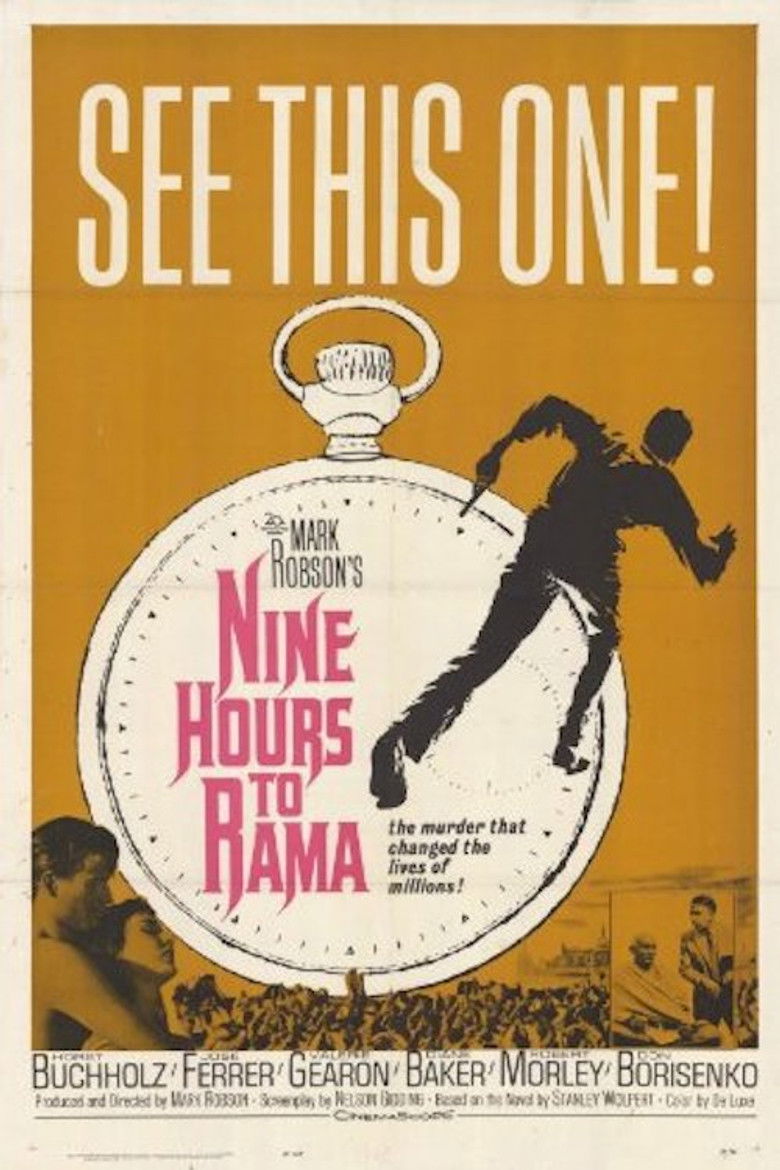
José Ferrer and Horst Buchholz star in this fictionalised account of events leading up to the assassination of Indian spiritual leader and independence campaigner Mahatma Gandhi.
Overall Score
Fair
Category Breakdown
LGBTQ+ Representation
The film contains no identifiable LGBTQ+ characters or explorations of non-heteronormative identities. It adheres to the standard heteronormative framework of the 1960s.
Gender Representation
Female characters are relegated to decorative or peripheral roles within the Spanish expedition or Mughal court. The narrative prioritizes masculine leadership and military agency.
Racial & Ethnic Diversity
The film provides meaningful representation of South Asian populations and the Mughal Empire. It portrays the Mughal civilization as a sophisticated, organized, and powerful entity.
Religious & Cultural Diversity
The narrative offers a critique of Western imperialist expansion and the pursuit of gold. It frames Spanish religious fervor as a catalyst for systemic dysfunction.
Disability Representation
There is no discernible representation of physical, neurodivergent, or sensory disabilities within the film.
Strengths
Areas for Improvement
AI Analysis
Nine Hours to Rama functions as a subversion of the traditional 'heroic conqueror' archetype. While it remains tethered to the era's restrictive gender and LGBTQ+ norms, it distinguishes itself through a post-colonial narrative structure. The film avoids common colonialist tropes by presenting the Mughal Empire as a stable, advanced civilization. This portrayal grants significant agency to non-Western powers, countering the typical depiction of indigenous populations as passive or disorganized. Ultimately, the film's strength lies in its critique of Western expansionist greed. By framing the Spanish expedition's motivations as destructive, it deconstructs the myth of the heroic explorer through a lens of imperial failure.
1997

1961
2009
1954
2019
2001
1977
1976
1973
2015
1981

1964
No reviews yet. Be the first to share your thoughts on this movie!
Use the rating form above to leave a star rating and optional review.