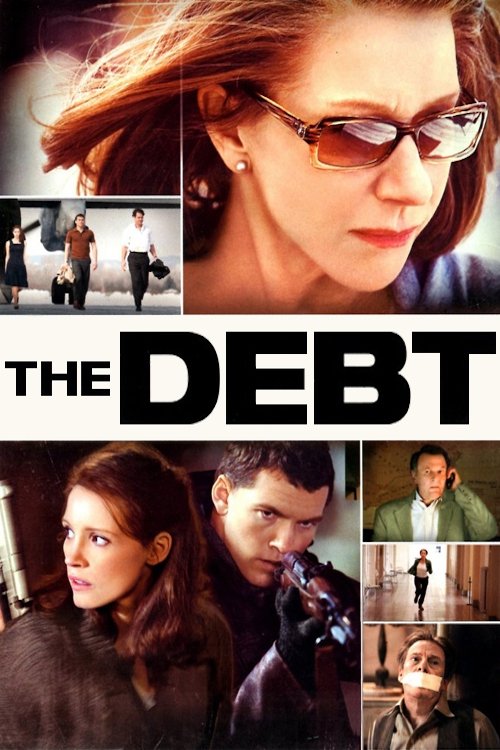
The Debt
2010
No user ratings available yet
Representation score: 6.7 out of 10

Representation Score
Good
2015
RDirector
Atom Egoyan
Runtime
94 minutes
Average Rating
No ratings yetNew Showbiz Analysis
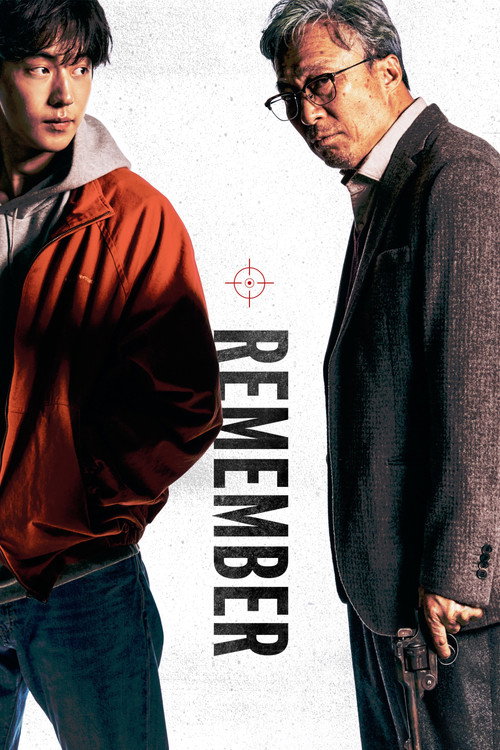
Atom Egoyan’s *Remember* is a sophisticated psychological drama that prioritizes postmodern narrative architecture over demographic breadth. It functions as a deconstruction of memory and visual truth, using a fragmented structure to explore the subjectivity of history. The film lacks a wide range of diverse identities, particularly regarding LGBTQ+ and racial diversity. However, it finds depth in its intellectual subversion of traditional storytelling and its exploration of the instability of the human experience. Ultimately, the work prioritizes the complexity of the internal psyche over external identity politics, making it a notable example of postmodern cinematic inquiry.
Category Breakdown
The film centers on a close-knit, straight-centered circle with no prominent non-cisgender identities or narratives that question the assumption that everyone is straight or cisgender.
The narrative examines gendered psychological distress in a nuanced way. It challenges traditional domestic roles by focusing on the complex power dynamics and vulnerability of the female protagonist.
The cast is relatively uniform, featuring a small group in a middle-class setting. The contemporary story lacks significant racial blending.
The film excels by presenting truth as a subjective construct. It rejects singular morality, emphasizing individual psychological processing over traditional social or religious frameworks.
The story provides a somber portrayal of cognitive decline. Dementia is woven into the film's non-linear structure rather than being used as a mere plot device.
Present on Screen
Limited or Absent
Official Synopsis
With the aid of a fellow Auschwitz survivor and a hand-written letter, an elderly man with dementia goes in search of the person responsible for the death of his family.
2010
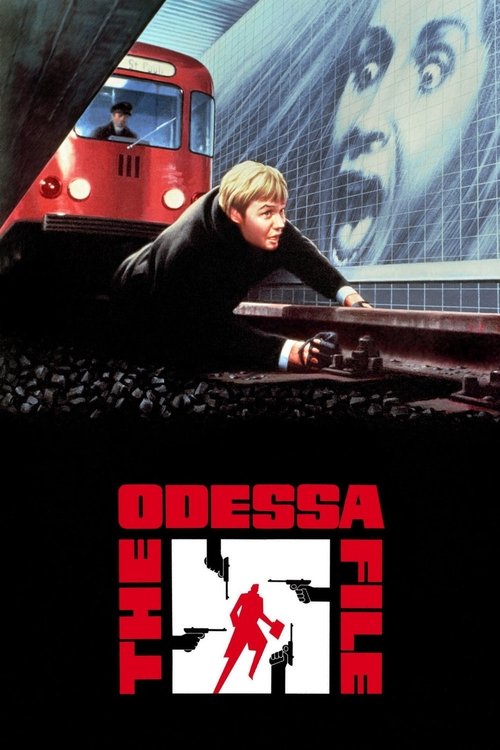
1974

2018
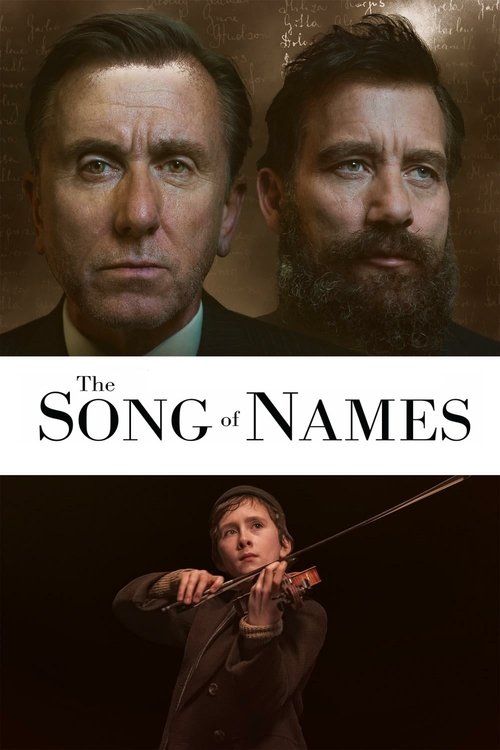
2019
2022

2014

2015

2015
No reviews yet. Be the first to share your thoughts on this movie!
Use the rating form above to leave a star rating and optional review.