The Great Blondino
1967
No user ratings available yet
Representation score: 6.1 out of 10
Representation Score
Fair
1965
Director
Bruce Baillie
Runtime
44 minutes
Average Rating
No ratings yetNew Showbiz Analysis
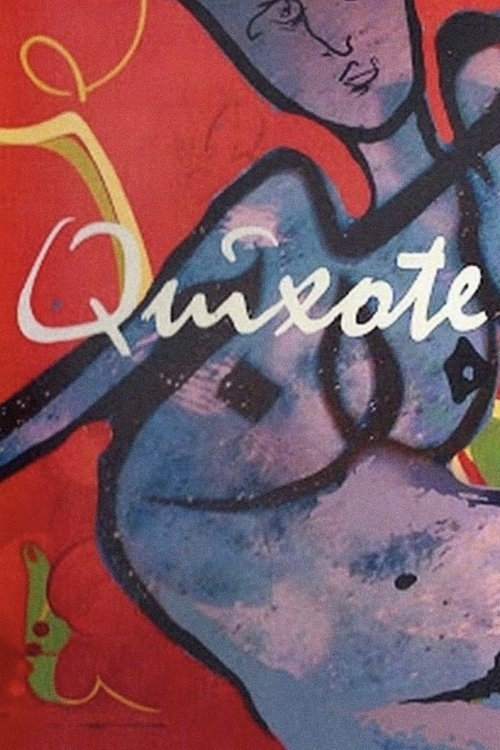
Quixote is a significant postmodernist work that finds its strength in thematic disruption rather than demographic variety. By rejecting linear, Western-centric storytelling, Baillie offers a sophisticated critique of social and environmental isolation. While the film lacks the explicit representation found in modern narrative cinema, its experimental nature deconstructs the standard cinematic experience. It favors subjective truth over the rigid structures of institutionalized reality. Ultimately, the score reflects a work that is culturally progressive in its philosophy but demographically limited by the conventions of mid-century experimental shorts.
Category Breakdown
The film lacks explicit romantic narratives or character identities. Its non-linear, dream-like approach disrupts traditional cinematic gazes, though it lacks active LGBTQ+ involvement.
Traditional gender hierarchies are absent due to the non-narrative structure. The work presents a deconstructed view of human presence rather than reinforcing specific masculine or feminine roles.
There is no evidence of a diverse cast. The footage focuses on environmental and perceptual studies rather than non-white involvement or intentional casting.
The film critiques the conquest of the environment and Western social structures. It prioritizes subjective perception and moral relativism over traditional, institutionalized morality.
The film does not feature characters with visible or invisible disabilities. The focus remains on light, landscape, and montage rather than human-centric social dynamics.
Present on Screen
Limited or Absent
Official Synopsis
Co-founder of Canyon Cinema and the San Francisco Cinematheque and one of the godparents of experimental film, Bruce Baillie (1931-2020) has forged a singular path in his visionary explorations of the world, his exquisite treatment of light and fragmented storytelling influencing successive generations of like-minded filmmakers. Shot on a cross-country journey during 1964 and 1965, is the Baillie film most in need of rediscovery. Joining the ranks of Bob Dylan, Robert Frank and Jack Kerouac in chronicling a tumultuous period in American history from the road, Baillie sets out "to show how in the conquest of our environment in the New World, Americans have isolated themselves from nature and from one another."
1967

1983
1974
1929

1974
2010
1970
1967
No reviews yet. Be the first to share your thoughts on this movie!
Use the rating form above to leave a star rating and optional review.