Quixote
1965
No user ratings available yet
Representation score: 4.5 out of 10
Representation Score
Good
1967
Director
Robert Nelson, William T. Wiley
Runtime
42 minutes
Average Rating
No ratings yetNew Showbiz Analysis
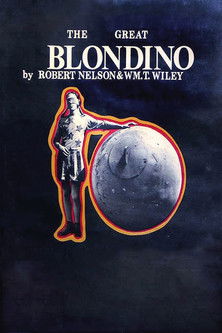
The Great Blondino stands as a significant example of 1960s experimental cinema that prioritizes systemic defiance over traditional storytelling. Its strength lies in its fundamental rejection of rigid, rote structures that typically reinforce social and cultural norms. Shot without a script or narrative preconception, the film naturally avoids the predictable character archetypes found in mainstream cinema. This improvisational approach creates a space for fluid identity and cultural subversion. However, the lack of specific character data makes it difficult to verify concrete demographic representation. The film's impact is felt more through its structural rebellion than through explicit, documented diversity in its cast.
Category Breakdown
The film's unconventional approach hints at a narrative that challenges traditional gender norms. While specific representations of LGBTQ identities are uncertain, the innovative method allows for potential non-traditional gender expressions.
Focusing on a young man dressed in anachronistic attire, the film deviates from typical 1960s gender roles. The lack of a standard script avoids rigid portrayals of traditional masculinity and domesticity.
The specific racial makeup of the cast remains unknown due to the film's improvisational production style. However, as an independent work, it likely challenges Hollywood's tendency towards homogenous casting.
The film showcases a high degree of cultural disruption by rejecting structured Western storytelling traditions. Its freeform nature aligns with themes of anti-institutionalism and the dismantling of established social orders.
No specific information is available regarding the portrayal of physical or neurodivergent disabilities in this film.
Present on Screen
Limited or Absent
Official Synopsis
Shooting in 1966 without script, story, or any narrative preconception, Nelson and Wiley created a masterwork of ‘60s independent cinema. The Great Blondino follows an anachronistically attired young fellow as he navigates a beguiling, sometimes troubling world with a curiosity that opens us wide to the filmmakers’ inspired, freeform vision. In many ways, the wonder of Blondino may echo the excitement of invention and exploration that Nelson and Wiley experienced in the making of the film. Utterly exuberant and freed from rote cinematic restriction, it embodies an artistic rigor and direction that also prevents it from ever seeming too unhinged. An incredible feat of tightrope walking. —Mark Toscano. Preserved by the Academy Film Archive in 2009.
1965
1971
1967
1968
1966
1974

1970
1985
No reviews yet. Be the first to share your thoughts on this movie!
Use the rating form above to leave a star rating and optional review.