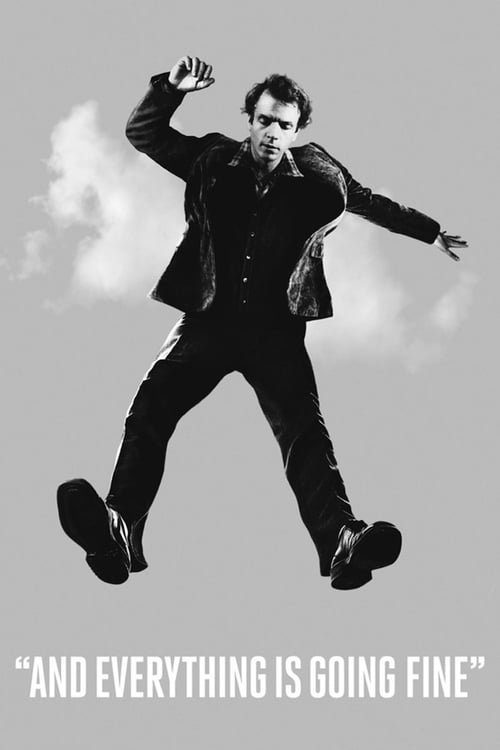
And Everything Is Going Fine
2010
No user ratings available yet
Representation score: 6.4 out of 10

Representation Score
Fair
1974
Director
James Broughton
Runtime
20 minutes
Average Rating
No ratings yetNew Showbiz Analysis
Testament is a deeply personal, avant-garde self-portrait that prioritizes poetic abstraction over social advocacy. It succeeds in subverting Western narrative authority by integrating Zen philosophy and non-linear structures, creating a unique, subjective experience. However, the film's focus on the singular, Western-centric individual limits its demographic breadth. The narrative is centered on the director's own history, resulting in a lack of racial and ethnic diversity. Ultimately, the film is an exercise in individual expression, trading broad representation for a profound, philosophical exploration of the self through irony and charm.
Category Breakdown
The film explores non-traditional romantic themes through a poetic lens. Its avant-garde nature suggests an abstract exploration of intimacy and desire, avoiding explicit contemporary clichés.
The film disrupts hyper-masculine clichés by emphasizing vulnerability and self-deprecation. It uses gendered archetypes of melodrama and romance to build its unique aesthetic.
This self-portrait focuses on the director's internal landscape and personal history, prioritizing individual subjectivity over broad demographic representation or racial dynamics.
The work engages deeply with non-Western frameworks, specifically through Zen poetry. This integration challenges traditional Western narrative structures and linear storytelling methods.
There is no specific evidence regarding the portrayal of physical or neurodivergent disabilities within this work.
Present on Screen
Limited or Absent
Official Synopsis
"TESTAMENT is James Broughton's exquisite self-portrait. A major figure in avant-garde filmmaking and poetry since the 1940s, Broughton views his life and life's work with irony, charm, humor, and a combination of joyous self-love and gentle self-depreciation. Scenes from his earlier films mix the elements of humor, magic, slapstick, melodrama, and romance which mark his aesthetic. A plethora of rich personal symbols is woven throughout the film, tied together by verbal games, Zen poems, anecdotes, songs, a child's prayer, dreams, and visions." - Karen Cooper "James Broughton's TESTAMENT is one of the most remarkable films ever produced within the American independent cinema. It is the most moving and most sublimely detached of the recent trend of filmic autobiographies - by Jerome Hill, Jonas Mekas, and Stan Brakhage, to name only the masters, and Broughton's peers." - P. Adams Sitney "A beautiful, important, mysterious work." - Amos Vogel
2010
2008
1976

1998

1972
1989
2018

2003
No reviews yet. Be the first to share your thoughts on this movie!
Use the rating form above to leave a star rating and optional review.