Identification Marks: None
1965
No user ratings available yet
Representation score: 2.8 out of 10
Representation Score
Fair
1967
Director
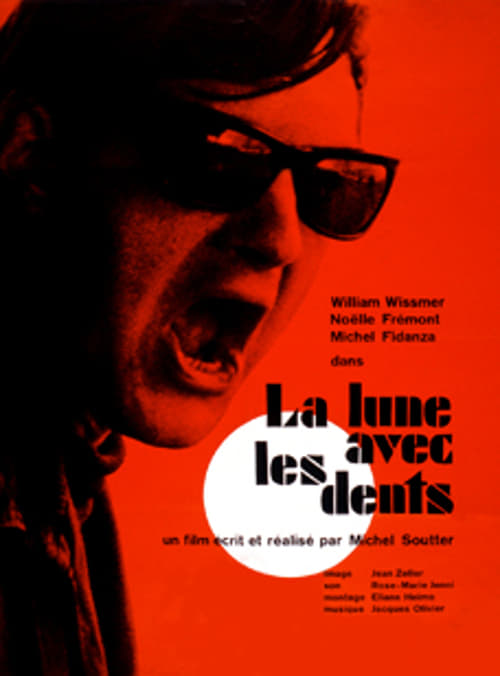
Michel Soutter
Runtime
78 minutes
Average Rating
No ratings yetNew Showbiz Analysis
Michel Soutter’s film serves as a critique of societal norms rather than a display of demographic diversity. It disrupts established social structures through a raw, documentary-inspired style. The film's strength lies in its rejection of traditional order in favor of a chaotic, personal human experience. Though the film lacks prominent racial or LGBTQ+ representation, it effectively subverts cultural norms. By portraying the protagonist's aimlessness as a critique of national identity, it challenges the perceived stability of the Swiss social order. Ultimately, the film's diversity is found in its ideological stance, using a vibrant, loose cinematic language to defy the conventional expectations of mid-century European drama.
Category Breakdown
The film centers on the tension between William and Noelle, suggesting a departure from strict social norms through the protagonist's rebellious lifestyle. However, it does not explicitly address LGBTQ+ themes.
The story challenges traditional mid-century masculine roles by focusing on a restless wanderer rather than a stable provider. Character interactions avoid typical courtship scenarios.
The film operates within a localized European setting and does not feature a diverse or non-Anglo-Saxon majority cast.
The movie directly questions the Swiss myth of orderliness by highlighting social instability and institutional skepticism.
There is no indication of the portrayal of physical or neurodivergent disabilities in this work.
Present on Screen
Limited or Absent
Official Synopsis
The film follows William, thirty-ish, out of work and looking for a new life after apparently having been thrown out of his previous one. He meets up with Noelle, who seems intrigued by his restlessness - until her economist boyfriend shows up. Yet plot details do little to convey the power of the film, which lay in its capturing the anarchic texture of William's life - a life whose lack of direction was read as a rebuke of the Swiss myth of orderliness and self-satisfaction. With his roots in documentary, Soutter excelled at creating a loose, vibrant cinema, full of quick zooms and dynamic hand-held shots, with dialogue that often alternated between outright quotations and stylized interviews.
1965
1956
1969
1966

1976
1971
1969
1970
No reviews yet. Be the first to share your thoughts on this movie!
Use the rating form above to leave a star rating and optional review.