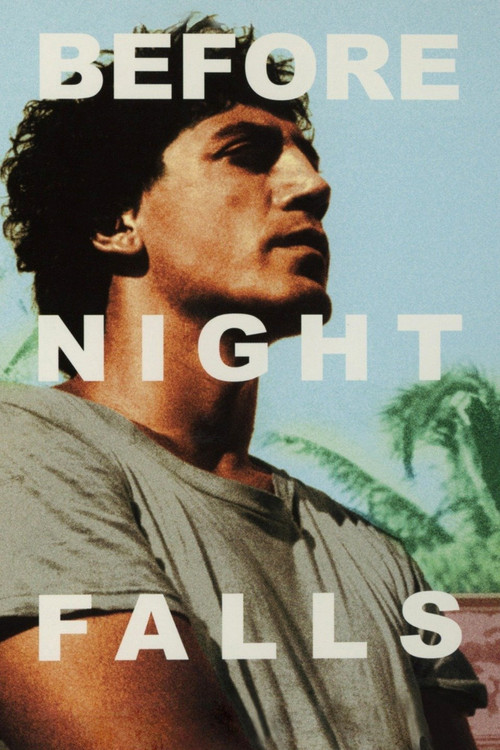
Before Night Falls
2000
No user ratings available yet
Representation score: 6.5 out of 10
Representation Score
Excellent
2010
RDirector
Jeffrey Friedman, Rob Epstein
Runtime
84 minutes
Average Rating
No ratings yetNew Showbiz Analysis
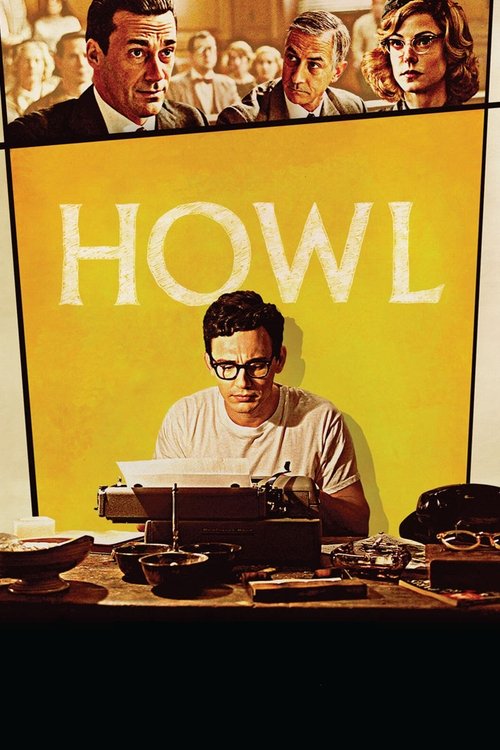
Howl is a powerful historical document that centers queer identity as a key part of the fight for free speech. By focusing on the obscenity trial through the lens of non-straight expression, the film elevates underrepresented voices against systemic repression. The documentary excels at critiquing traditional Western morality and institutional power. It uses Ginsberg’s spiritual and political journey to challenge capitalism and religious orthodoxy, making the struggle for individual expression feel both personal and universal. However, the film's scope is somewhat limited by its focus on a specific, predominantly white literary group, which narrows the racial diversity of the broader social shifts of the era.
Category Breakdown
The film focuses on Allen Ginsberg's life as a gay man during a time of strict legal and social restrictions. It captures intimate moments and the development of his identity within a challenging environment.
The narrative challenges traditional mid-century family structures by highlighting bohemian social arrangements. It emphasizes community over traditional patriarchal roles and gender divisions.
The film primarily centers on a white Beat literary group. However, it does provide context on how the counterculture movement intersected with broader social changes.
The film critiques rigid religious doctrines and Western institutions. It highlights Ginsberg's adoption of Buddhism as a response to a conformist and militaristic society.
The film examines the mental and emotional resilience required to cope with state surveillance. It does not specifically address physical disabilities.
Present on Screen
Limited or Absent
Official Synopsis
It's San Francisco in 1957, and an American masterpiece is put on trial. Howl, the film, recounts this dark moment using three interwoven threads: the tumultuous life events that led a young Allen Ginsberg to find his true voice as an artist, society's reaction (the obscenity trial), and mind-expanding animation that echoes the startling originality of the poem itself. All three coalesce in a genre-bending hybrid that brilliantly captures a pivotal moment-the birth of a counterculture.
2000
1974
2015
2016
2013
1995

2013
2021
No reviews yet. Be the first to share your thoughts on this movie!
Use the rating form above to leave a star rating and optional review.