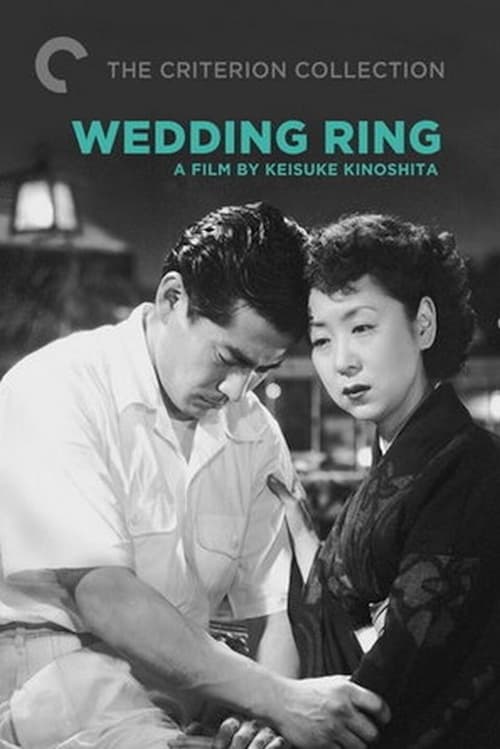
Wedding Ring
1950
No user ratings available yet
Representation score: 4.0 out of 10

Representation Score
Fair
1946
Director
Keisuke Kinoshita
Runtime
74 minutes
Average Rating
No ratings yetNew Showbiz Analysis
The film functions as a sophisticated character study centered on the vulnerability of truth. By focusing on a pact to reveal secrets, the narrative moves away from external conflict toward internal, interpersonal exploration. While the film lacks explicit contemporary multi-layered markers, it offers a progressive approach to character's ability to drive the story. The focus on deconstructing social facades suggests a nuanced look at humanism and individual emotion. Ultimately, the work serves as a culturally specific piece of Japanese cinema that emphasizes emotional honesty over traditional romantic clichés.
Category Breakdown
The film explores themes of suppressed emotional truths through a pact of radical honesty. While no explicit LGBTQ identities are confirmed, the narrative space allows for deep, non-traditional emotional exploration.
The female lead actively shapes the plot rather than being a passive participant. She plays a significant role in driving the story and possesses substantial emotional influence.
As a 1946 Japanese production, the film maintains a cohesive ethnic context consistent with its era and geography. It primarily focuses on its specific cultural identity.
The festival setting highlights a tension between communal tradition and individual authenticity. The story prioritizes subjective emotional truth over rigid social norms.
There is no evidence regarding the portrayal of physical or neurodivergent disabilities in this work.
Present on Screen
Limited or Absent
Official Synopsis
A young man who is unable to tell his childhood friend how he feels makes a pledge with her to reveal all of their secrets during the upcoming festival.
1950

1955

1953
1951

1951

1939

1955

1981
No reviews yet. Be the first to share your thoughts on this movie!
Use the rating form above to leave a star rating and optional review.