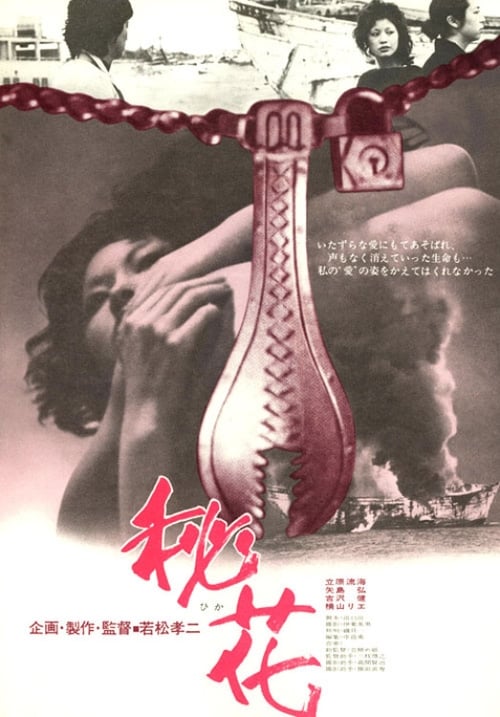
Secret Flower
1971
No user ratings available yet
Representation score: 7.6 out of 10
Representation Score
Fair
1971
Director
Kōji Wakamatsu
Runtime
71 minutes
Average Rating
No ratings yetNew Showbiz Analysis
Kōji Wakamatsu’s film serves as a transgressive work that challenges conventional expectations of domestic stability. It uses psychological volatility to critique the rigid social frameworks of the time. The narrative structure emphasizes the deconstruction of traditional social roles. By focusing on the protagonist's desire for death, the film shifts towards a more philosophical and existential inquiry. While the film provides a strong critique of social structures and cultural depth, it lacks clear representations of LGBTQ+ character arcs or disability.
Category Breakdown
The film explores complex interpersonal relationships and unconventional relationships. However, specific LGBTQ+ identities are not clearly defined.
The narrative focuses on the protagonist's inner struggles and female subjectivity. It avoids depicting women as passive domestic figures.
As a Japanese production, the film presents a culturally homogeneous perspective. It challenges Western-centric cinematic views through its specific historical context.
The work delves into subjective morality and existentialism. It critiques traditional social cohesion and institutionalized morality by emphasizing individualistic, often destructive, impulses.
There is no evidence regarding the portrayal of physical or neurodivergent disabilities in this work.
Present on Screen
Limited or Absent
Official Synopsis
Mishima has just committed suicide. Two couples meet by accident at an inn in the countryside, the man and the woman, now, each with a new partner, who knew each other already for ten years...
1971
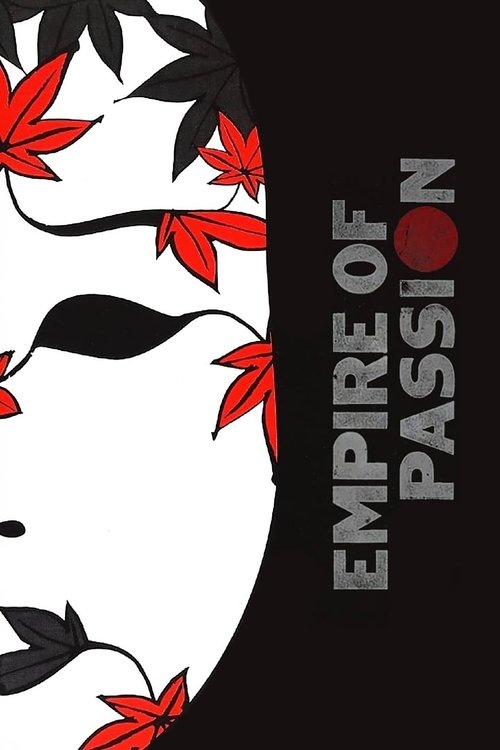
1978
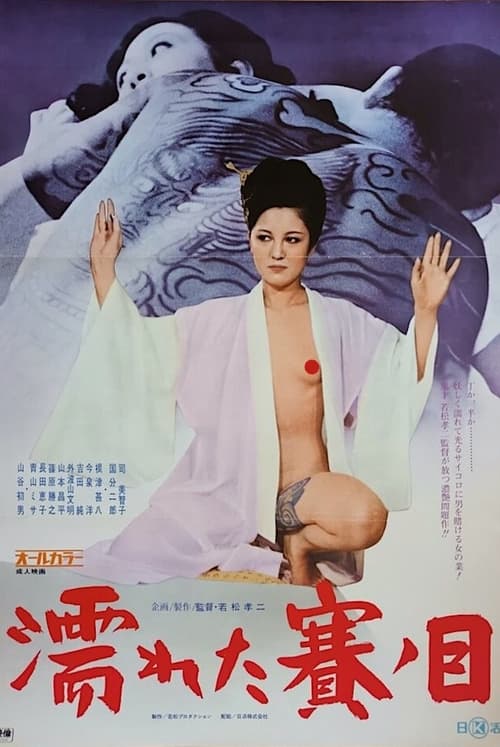
1974
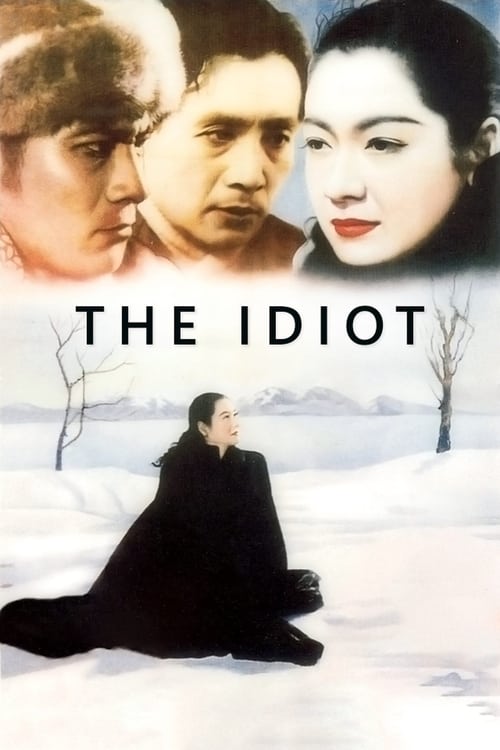
1951

1965
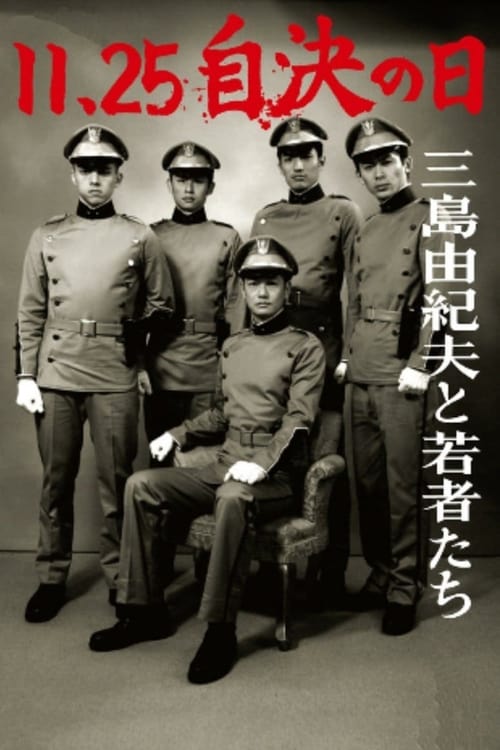
2012
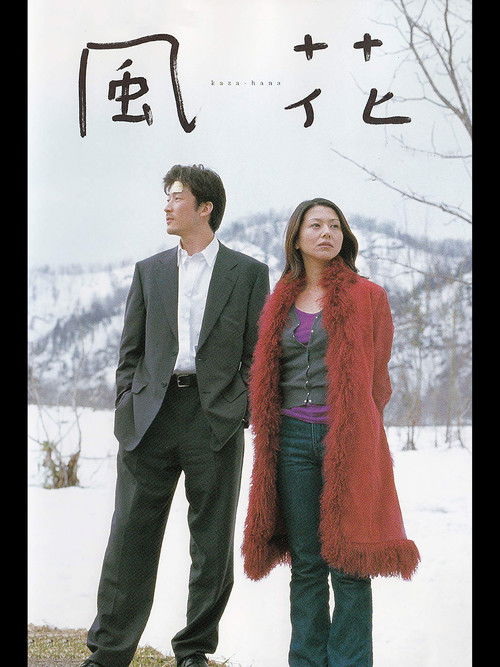
2001
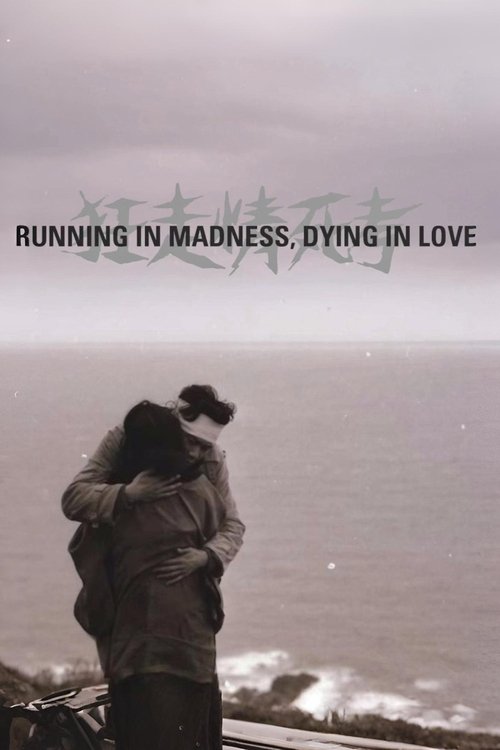
1969
No reviews yet. Be the first to share your thoughts on this movie!
Use the rating form above to leave a star rating and optional review.