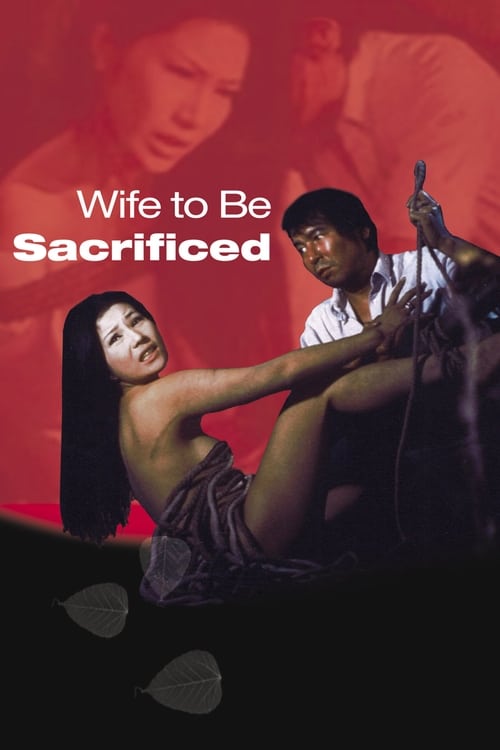
Wife to Be Sacrificed
1974
No user ratings available yet
Representation score: 2.8 out of 10

Representation Score
Good
1978
RDirector
Nagisa Ōshima
Runtime
105 minutes
Average Rating
No ratings yetNew Showbiz Analysis
Nagisa Ōshima’s work excels at subverting social structures, particularly through its nuanced treatment of gender. By giving the female protagonist a significant role in driving the story, the film moves beyond traditional domestic stereotypes to explore destructive autonomy. However, the film remains culturally and identity-specific. It lacks LGBTQ+ representation and multi-ethnic casting, focusing instead on a homogeneous Japanese social strata during the 19th century. The film's strength lies in its psychological depth and its refusal to adhere to conservative moral absolutism, exploring the tension between individual impulse and systemic expectations.
Category Breakdown
The film focuses solely on a heterosexual relationship and does not include any non-assuming gender matches what was assigned at birth identities or queer subtext.
The film challenges traditional gender roles by highlighting the female protagonist's significant role in driving the plot. She defies the stereotype of the submissive wife through her autonomy.
Set in a specific historical Japanese context, the film features a culturally homogeneous cast focused on the socioeconomic conditions of rural workers.
The film critiques rigid traditional institutions through a lens of moral relativism, positioning individual passions against oppressive societal norms.
The film does not prominently depict physical or neurodivergent disabilities that serve as central narrative drivers or character studies.
Present on Screen
Limited or Absent
Official Synopsis
A married woman and her lover murder her husband and dump his body into a well, but his ghost returns to haunt them as the local gossip intensifies.
1974

1976

1966
1951

1976
1981

1984

1975
No reviews yet. Be the first to share your thoughts on this movie!
Use the rating form above to leave a star rating and optional review.