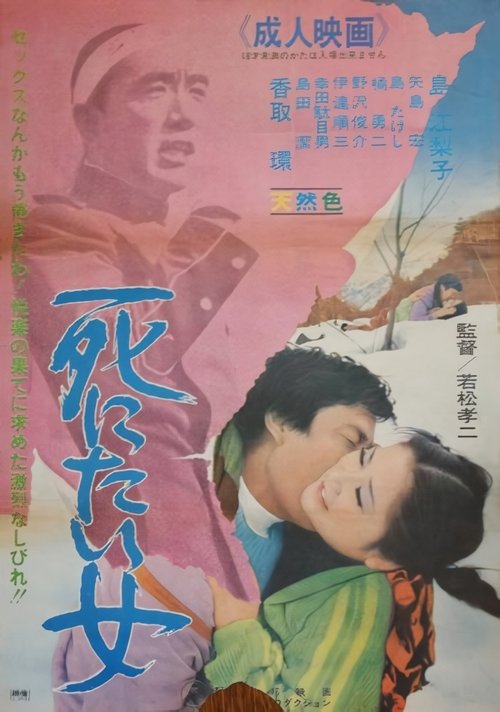
The Woman Who Wanted to Die
1971
No user ratings available yet
Representation score: 5.9 out of 10
Representation Score
Good
1971
Director
Kōji Wakamatsu
Runtime
70 minutes
Average Rating
No ratings yetNew Showbiz Analysis
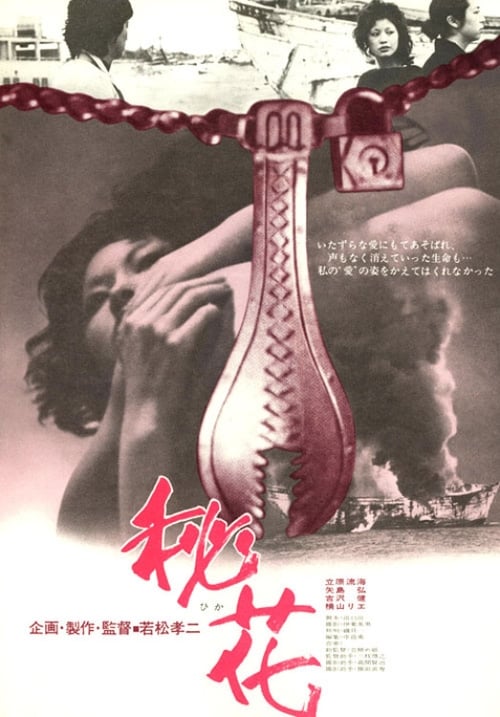
Kōji Wakamatsu’s *Secret Flower* is a bold deconstruction of post-war Japanese stability. It uses the *pinku eiga* genre to explore psychological alienation and the breakdown of traditional interpersonal bonds rather than following typical dramatic structures. The film’s strength lies in its critique of social and political structures. By focusing on characters on the fringes of society, it effectively challenges traditional hierarchies and institutional stability. However, the film lacks broad demographic representation. It remains culturally insular and doesn’t explicitly address LGBTQ+ identities or the specific experiences of people with disabilities.
Category Breakdown
The film doesn't explicitly include non-binary or LGBTQ+ identities but uses themes of social alienation and chaos to challenge the idea that everyone is straight or cisgender.
Women play a central role in the film, making choices and facing existential struggles. The movie avoids showing women in submissive roles, emphasizing the complexity of gender.
The story focuses on 1970s Japan and doesn’t include a diverse cast of different races. It stays within the cultural context of its time and place.
The film criticizes traditional institutions and family structures. It rejects absolute moral rules and presents a fragmented, subjective sense of morality and social isolation.
The film explores themes of psychological instability and mental fragmentation. These conditions serve more as metaphors for societal issues rather than detailed character studies of individuals with disabilities.
Present on Screen
Limited or Absent
Official Synopsis
A woman who has just missed her suicide and a couple which has just left its political movement meet on a beach...
1971
1969
1969

1956
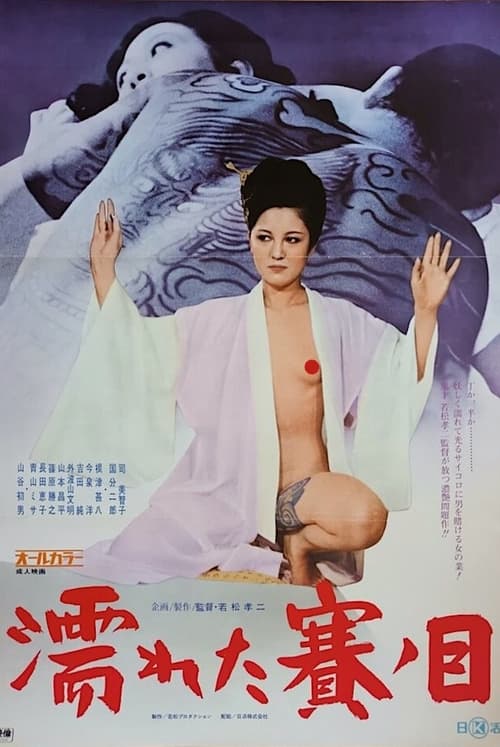
1974
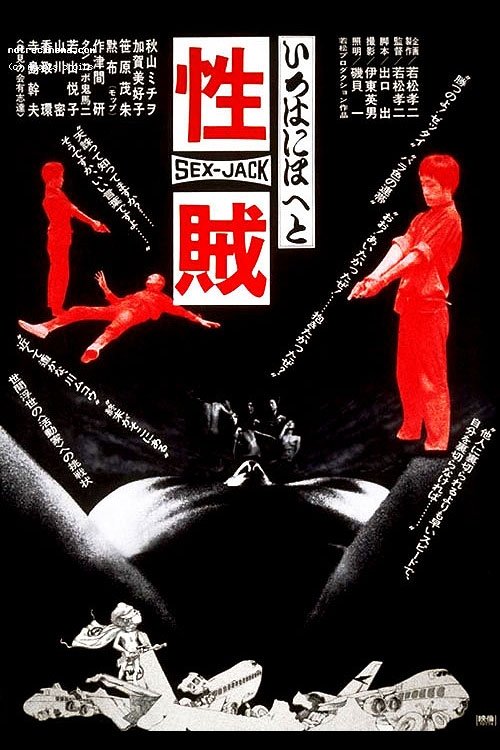
1970
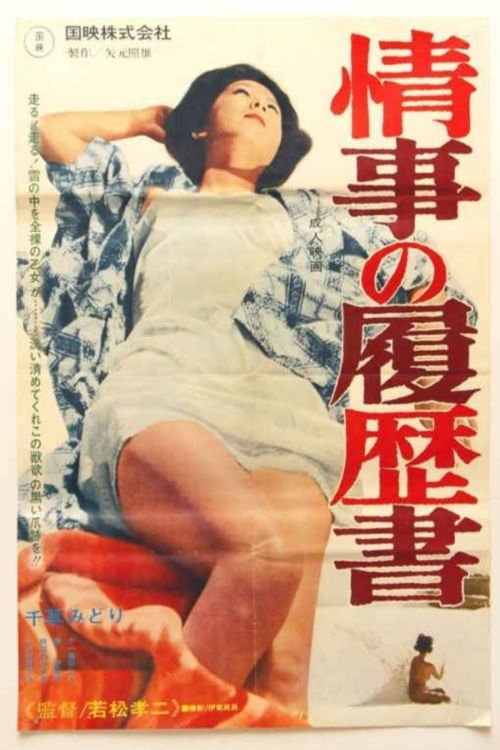
1965

1965
No reviews yet. Be the first to share your thoughts on this movie!
Use the rating form above to leave a star rating and optional review.