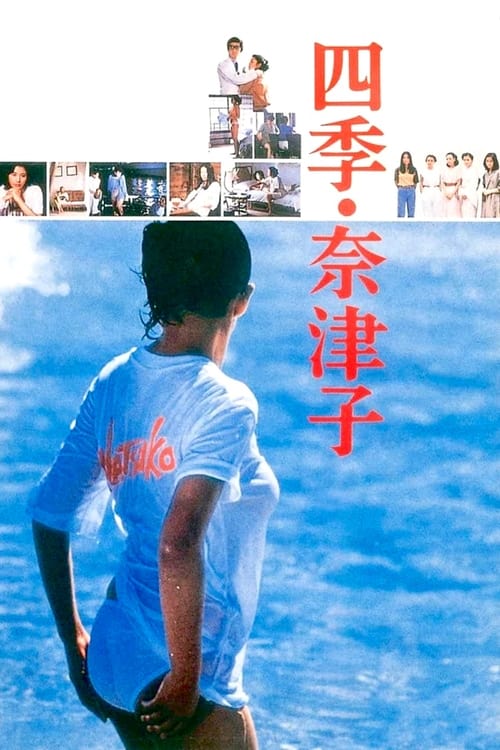
Four Seasons: Natsuko
1980
No user ratings available yet
Representation score: 4.0 out of 10
Representation Score
Fair
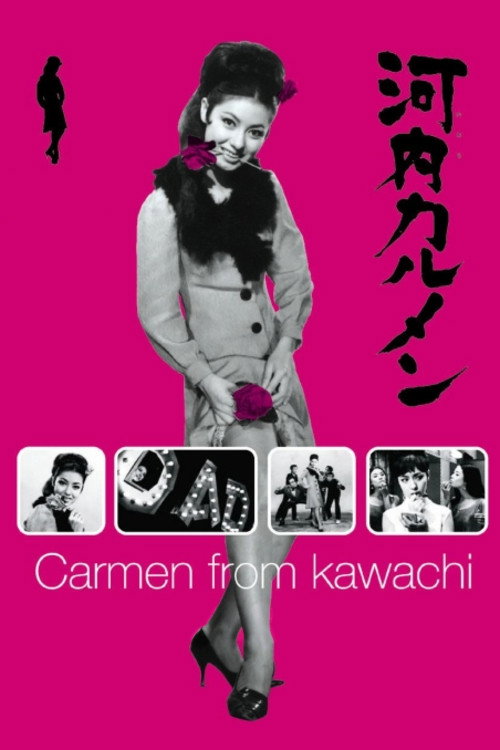
1966
Director
Seijun Suzuki
Runtime
89 minutes
Average Rating
No ratings yetNew Showbiz Analysis
Seijun Suzuki’s work functions as a sophisticated exercise in genre deconstruction. The film’s strength lies in its narrative architecture, which prioritizes women's ability to drive the story and challenges the moral certainties of the period. While the film lacks explicit multi-layered markers common in modern media, it succeeds in elevating the 'outsider.' Its stylistic rebellion against conventional storytelling provides a progressive cinematic footprint for its era. Ultimately, the film's impact comes from its subversion of traditional clichés, moving away from male-dominated noir toward a more female-driven momentum.
Category Breakdown
The film focuses on female-centric spaces and mentorship between Tsuyu and Yoko. It does not include explicit depictions of non-straight relationships or same-sex romance.
Women play key roles in driving the plot through their ability to act, sexual power, and economic ambitions. The narrative challenges patriarchal structures by positioning female protagonists as primary movers rather than passive figures.
The cast is predominantly a homogeneous Japanese ensemble reflecting its specific cultural era. It avoids Western racial hierarchies, remaining grounded in its localized socio-cultural context.
The film challenges social conformity by romanticizing outlaw lifestyles and urban underworlds. It prioritizes stylistic flair and subjective morality over rigid traditionalism.
There is no discernible focus on physical or neurodivergent disabilities. No characters appear to be used as plot devices related to disability.
Present on Screen
Limited or Absent
Official Synopsis
Like a girl runaway, Tsuyu moves to Osaka to work as a bar hostess. She meets the owner of a model school, Yoko, and seriously thinks about becoming a fashion model. Yoko tells her that she can move in to Yoko’s house to take lessons, while making a living at the same time.
1980
1969
1970
1960
1994
1966
2020
2001
No reviews yet. Be the first to share your thoughts on this movie!
Use the rating form above to leave a star rating and optional review.