
April Story
1998
No user ratings available yet
Representation score: 3.2 out of 10
Representation Score
Fair
1980
Director
Yōichi Higashi
Runtime
120 minutes
Average Rating
No ratings yetNew Showbiz Analysis
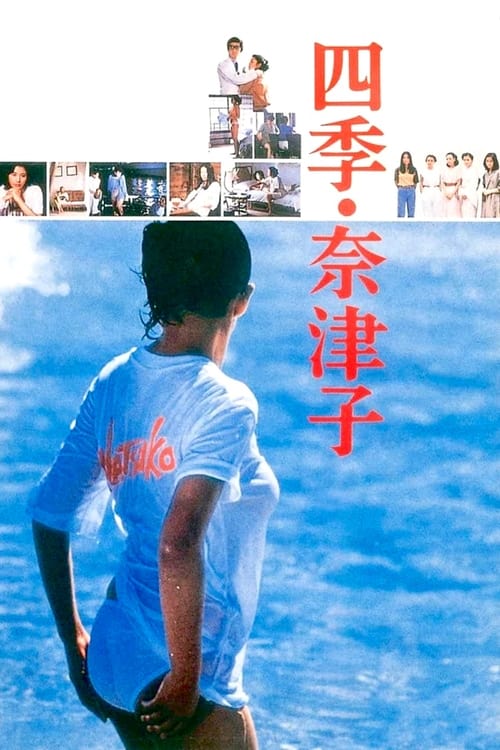
Four Seasons: Natsuko is a character-driven drama that finds its strength in the proactive actions of its female lead. By centering the story on a woman's decision to leave a relationship for personal growth, the film offers a subtle challenge to traditional gender roles. However, the film remains limited by the demographic homogeneity of its 1980s Japanese setting. It lacks multi-layered complexity and does not feature LGBTQ+ representation or characters with disabilities. Ultimately, while the film avoids some passive female archetypes, it operates within conventional romantic and social frameworks of its time.
Category Breakdown
The story focuses on a heterosexual breakup and does not include any non-cisgender identities or same-sex relationships.
The film centers on a female protagonist who actively chooses to end a long-term relationship, challenging traditional views of women as passive romantic figures.
As a Japanese production, the film reflects the demographic homogeneity of its era. It explores internal cultural changes rather than multi-ethnic diversity.
The story examines the tension between traditional rural life and modern urban existence. It critiques restrictive local social structures through the protagonist's move away.
There are no characters with visible or invisible disabilities in the narrative.
Present on Screen
Limited or Absent
Official Synopsis
A young woman breaks off her long-term relationship with her boyfriend to move to Tokyo in search of new experiences.
1998

1958

2001
2007
2007
1966
1993
1986
No reviews yet. Be the first to share your thoughts on this movie!
Use the rating form above to leave a star rating and optional review.