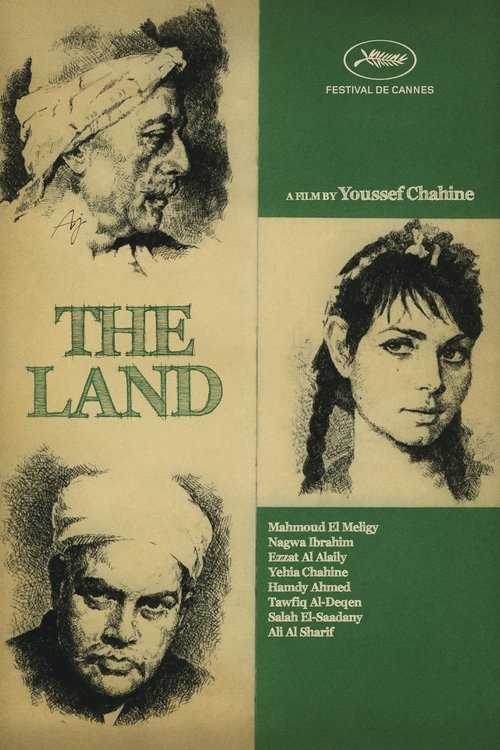
The Land
1970
No user ratings available yet
Diversity score: 6.4 out of 10
1977
Director
John Abraham
Runtime
90 minutes
Average Rating
No ratings yetSynopsis
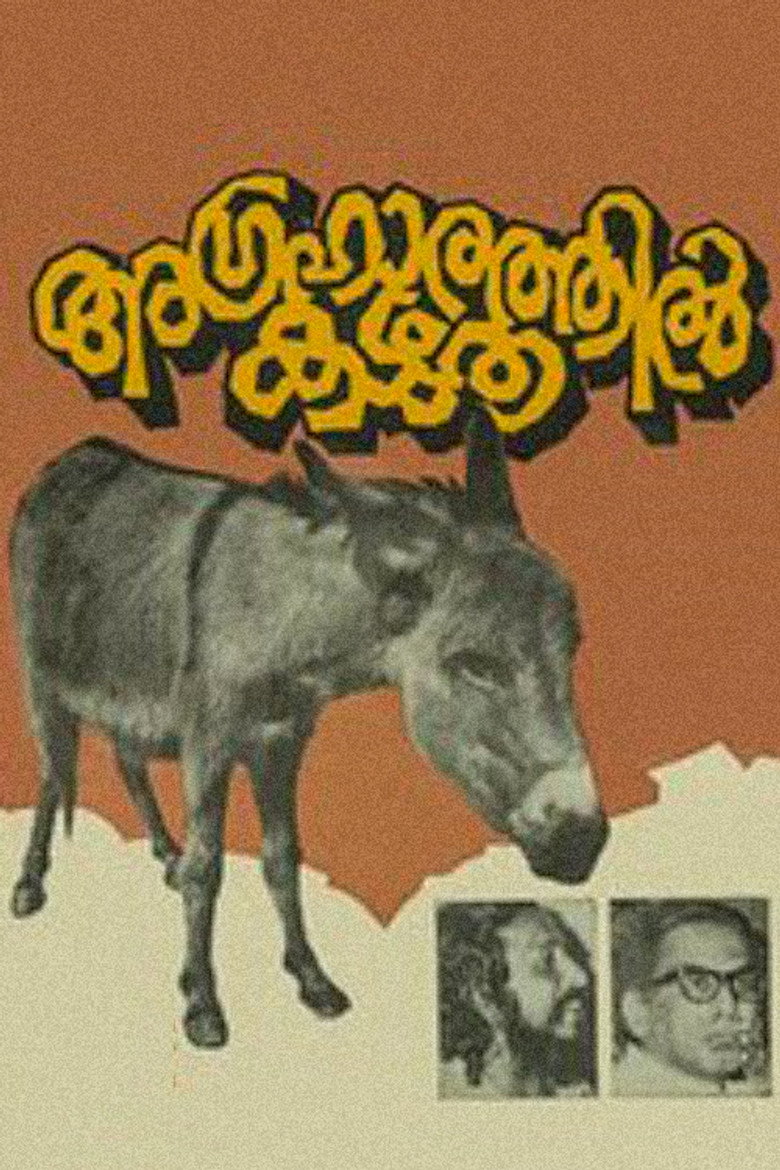
A donkey strays into a village dominated by the upper caste Brahmins.
Overall Score
Good
Category Breakdown
LGBTQ+ Representation
The film lacks evidence of LGBTQ+ characters or non-heteronormative narratives. The story focuses almost exclusively on caste and class dynamics.
Gender Representation
Women exist within the rural social fabric, but the narrative tension primarily stems from class struggles. Agency is centered on collective mobilization rather than gender-specific subversion.
Racial & Ethnic Diversity
The film excels by centering the rural working class and peasantry. It uses the Indian caste system to provide a platform for marginalized strata to drive the theme.
Religious & Cultural Diversity
The narrative offers a profound critique of feudal power and religious authority. It aligns with anti-capitalist themes by framing the breakdown of traditional hierarchies as political awakening.
Disability Representation
There is no discernible evidence regarding the portrayal of characters with physical or neurodivergent disabilities.
Strengths
Areas for Improvement
AI Analysis
John Abraham’s work serves as a sophisticated critique of entrenched social hierarchies. By using a donkey's intrusion into a Brahmin village as a catalyst, the film examines the friction between rigid structures and marginalized agency. The film's strength lies in its commitment to portraying the oppressed. It disrupts traditional cinematic focuses by prioritizing socio-political inquiry and the agency of the peasantry over escapism. However, the film remains limited in its exploration of identity beyond caste and class. It lacks representation for LGBTQ+ individuals and provides little specific focus on gender-based subversion or disability.
1970
2022
1971

1983

1970
1967
1974
2019

1999

1962
1997

2018
No reviews yet. Be the first to share your thoughts on this movie!
Use the rating form above to leave a star rating and optional review.