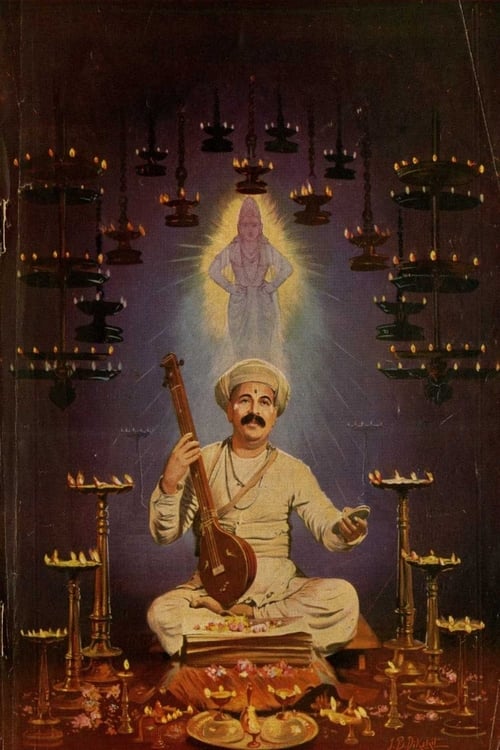
Sant Tukaram
1936
No user ratings available yet
Diversity score: 5.8 out of 10

1970
Director
Pattabhirama Reddy
Runtime
113 minutes
Average Rating
No ratings yetSynopsis
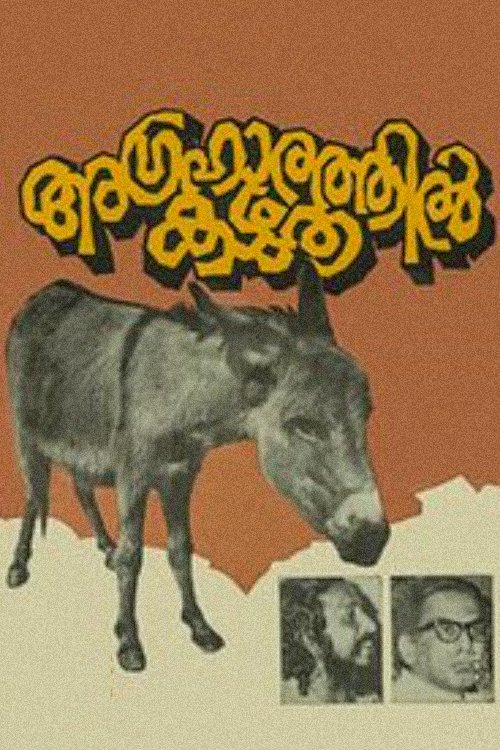
Narayanappa, a Madhwa Brahmin man, dies in the Agrahara of the village Durvasapura. As per Madhwa customs, his last rites must be performed at the earliest. However, due to Narayanappa's rebellious actions in life, which included eating meat, consuming liquor and marrying a prostitute, there is disagreement amongst the Brahmins of the village as to who will perform his rites.
Overall Score
Fair
Category Breakdown
LGBTQ+ Representation
The film contains no LGBTQ+ characters or themes. The narrative focus remains exclusively on the intersections of caste, religion, and individual morality.
Gender Representation
The story depicts a traditional patriarchal structure where women are largely confined to domestic spheres. Female agency remains secondary to the central conflict regarding masculine ritual authority.
Racial & Ethnic Diversity
Set within a specific Brahminical enclave, the film explores internal stratification. It disrupts monolithic identity by highlighting friction between dominant caste hegemony and those on the margins.
Religious & Cultural Diversity
The film offers a significant critique of rigid religious orthodoxy. It prioritizes individual conscience over communal ritual law, deconstructing the idea of a singular, sacred morality.
Disability Representation
No significant depictions of physical or neurodivergent disabilities are central to the narrative arc.
Strengths
Areas for Improvement
AI Analysis
Samskara is a sophisticated deconstruction of established social hierarchies and institutionalized dogma. It uses the protagonist's transgressions to challenge the perceived purity of the dominant Brahminical group, replacing communal dogma with a nuanced exploration of individual morality. While the film excels in its systemic critique of religious orthodoxy, it lacks contemporary diversity markers. The narrative architecture is progressive in its subversion of power, yet it remains rooted in a traditional patriarchal framework. Ultimately, the film functions as a profound study of the breakdown of social cohesion when faced with modern, subjective ethics and the failures of religious institutions.
1936

1972
2019
1974
1977
1976
1978
1957

1973
1993
1985
1981
No reviews yet. Be the first to share your thoughts on this movie!
Use the rating form above to leave a star rating and optional review.