
Minbo, or The Gentle Art of Japanese Extortion
1992
No user ratings available yet
Diversity score: 4.8 out of 10
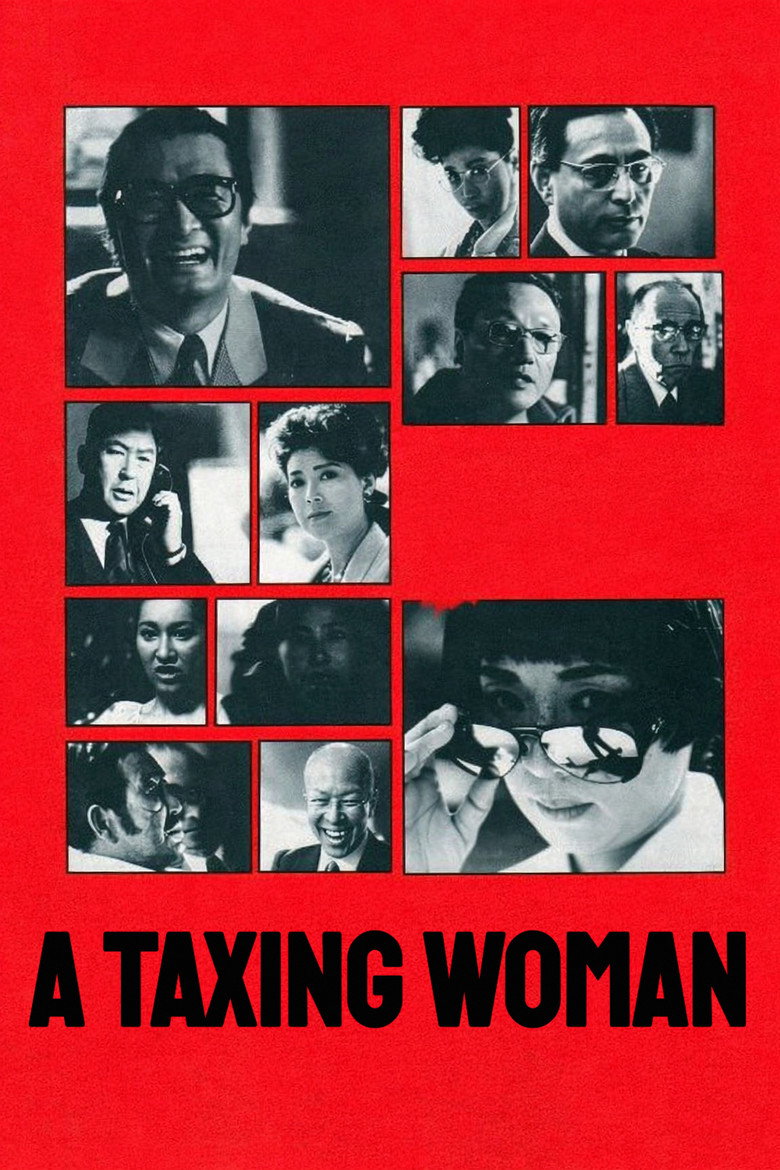
1987
Director
Jūzō Itami
Runtime
128 minutes
Average Rating
No ratings yetSynopsis
Intrepid tax investigator Ryoko Itakura sets her sights on the mysterious and philandering Hideki Gondo, a suspected millionaire and proprietor of a thriving chain of seedy hourly hotels, who has for years succeeded at hiding the true extent of his assets from the Japanese authorities. Itakura and Gondo soon find themselves engaged in a complicated, satirical battle of wits.
Overall Score
Fair
Category Breakdown
LGBTQ+ Representation
The film lacks prominent LGBTQ+ characters or non-heteronormative narratives. Social dynamics remain centered on traditional romantic and professional structures.
Gender Representation
Ryoko Itakura subverts patriarchal norms by driving the plot through intellect and investigative tenacity. The film portrays women as primary agents of systemic disruption.
Racial & Ethnic Diversity
The cast is largely homogeneous, reflecting its specific Japanese context. The narrative focuses on internal social stratification and class dynamics within Tokyo.
Religious & Cultural Diversity
The story offers a sharp critique of corporate capitalism and opaque wealth accumulation. It frames professional authority as a force against rigid institutional norms.
Disability Representation
There is no significant depiction of visible or invisible disabilities. Characters are defined by professional status and gendered roles rather than neurodivergence or physical disability.
Strengths
Areas for Improvement
AI Analysis
A Taxing Woman stands out as a sophisticated deconstruction of the 1980s Japanese corporate landscape. Its primary strength lies in its radical subversion of gendered power dynamics, placing a woman in a position of immense intellectual authority. While the film excels in gender representation, it remains limited in its depiction of LGBTQ+ identities and disability. The cast is largely homogeneous, focusing on the socio-economic mechanics of Tokyo rather than ethnic diversity. Ultimately, the film's value comes from its use of professional agency to challenge systemic corruption and traditional social hierarchies.
1992
1961
1963

1998

1972
1994
1971
1993
1975

1968

2007

1985
No reviews yet. Be the first to share your thoughts on this movie!
Use the rating form above to leave a star rating and optional review.