
00 Schneider - Jagd auf Nihil Baxter
1994
No user ratings available yet
Diversity score: 4.7 out of 10
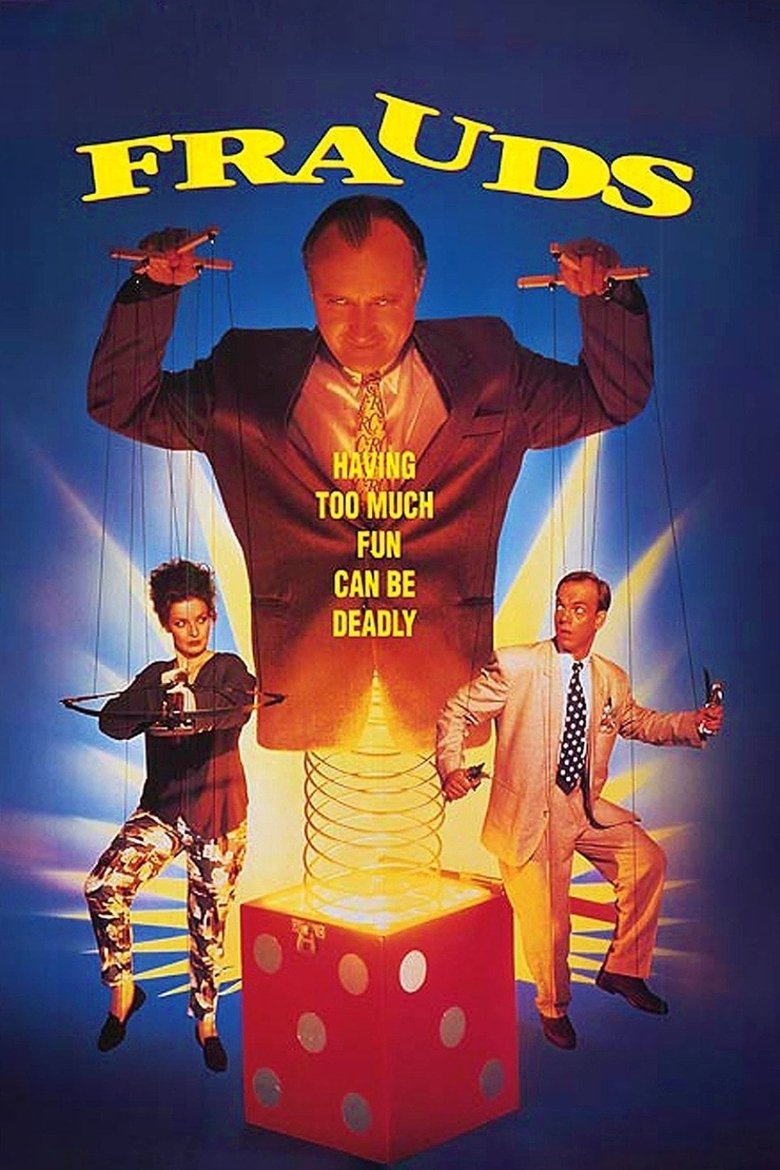
1993
Director
Stephan Elliott
Runtime
90 minutes
Average Rating
No ratings yetSynopsis
The film is a story of the ways in which insurance investigator Roland Copping interferes in and manipulates the lives of others with outrageous games and gimmicks. Eventually he becomes involved in an escalating vendetta with a couple who make an unusual insurance claim.
Overall Score
Fair
Category Breakdown
LGBTQ+ Representation
The film explores sexual liberation and non-heteronormative identities as part of a broader countercultural movement. This approach disrupts conventional domestic expectations and challenges the rigid social mores of the era.
Gender Representation
Women in the film navigate social shifts with significant agency, often subverting traditional domestic roles. The narrative moves away from patriarchal stability toward more complex, individualized identities.
Racial & Ethnic Diversity
The cast is predominantly homogeneous, reflecting the specific 1960s Australian university setting. The film lacks significant intersectional casting or diverse ethnic perspectives within its primary character arcs.
Religious & Cultural Diversity
The film excels at critiquing Western institutions, including religious dogma and traditional authority. It prioritizes a skepticism toward capitalist structures and the tension between the individual and the state.
Disability Representation
There is limited evidence of characters with visible or invisible disabilities driving the plot. The narrative focus remains on socio-political and interpersonal conflicts rather than neurodivergence or physical disability.
Strengths
Areas for Improvement
AI Analysis
Stephan Elliott’s film is a stylized deconstruction of institutional integrity that thrives on social subversion. It succeeds by challenging traditional hierarchies, particularly through its critique of religious and capitalist structures and its depiction of evolving gender roles. However, the film is constrained by its historical setting. The lack of racial and ethnic diversity limits the narrative's breadth, keeping the focus on a relatively homogeneous demographic. While it captures the progressive spirit of the 1960s, it does so through a narrow lens. Ultimately, the film is a study of moral fluidity. It trades traditional stability for a postmodern exploration of identity, making it a strong critique of authority even if it lacks broad intersectional representation.
1994

2022

1998

1992
1987

1998
1976

2008

1985

2018

2009

1997
No reviews yet. Be the first to share your thoughts on this movie!
Use the rating form above to leave a star rating and optional review.