Arrivederci, Baby!
1966
No user ratings available yet
Representation score: 3.1 out of 10
Representation Score
Fair
1961
ApprovedDirector
Pietro Germi
Runtime
104 minutes
Average Rating
No ratings yetNew Showbiz Analysis
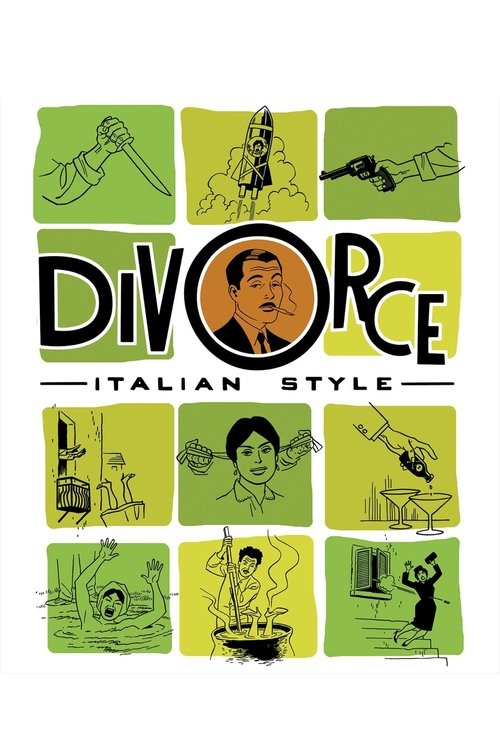
Pietro Germi uses dark satire to dismantle mid-century Sicilian social and legal hierarchies. Instead of glorifying tradition, the film exposes the hypocrisy of institutionalized morality and the absurdity of the era's laws. The film's strength lies in its sophisticated critique of patriarchal and religious structures. It uses the protagonist's predatory behavior to highlight the cruelty of a system that mandates 'honor' through violence. However, the film lacks representation for LGBTQ+ identities and disability. Its scope is strictly limited to a localized study of Sicilian class and gender dynamics.
Category Breakdown
The film does not include any LGBTQ+ characters or narratives. The plot centers around the protagonist's pursuit of a new heterosexual marriage.
The narrative challenges traditional hierarchies by criticizing the 'honor' culture that promotes predatory behavior. Rosalia disrupts the protagonist's schemes by showing unexpected strength and involvement in the story.
The story examines the social stratification in Sicily, focusing on rigid socioeconomic pressures within the region's caste system. It avoids idealized depictions by highlighting the complexities of local social structures.
The film effectively critiques the influence of the Catholic Church and the corruption within the legal system. Traditional institutions are portrayed as tools of systemic stagnation rather than sacred pillars.
There are no prominent depictions of visible or invisible disabilities within the main storyline.
Present on Screen
Limited or Absent
Official Synopsis
Ferdinando Cefalù is desperate to marry his cousin, Angela, but he is married to Rosalia and divorce is illegal in Italy. To get around the law, he tries to trick his wife into having an affair so he can catch her and murder her, as he knows he would be given a light sentence for killing an adulterous woman. He persuades a painter to lure his wife into an affair, but Rosalia proves to be more faithful than he expected.
1966

1964
1970
1964

1966

1969
1974
1993
No reviews yet. Be the first to share your thoughts on this movie!
Use the rating form above to leave a star rating and optional review.