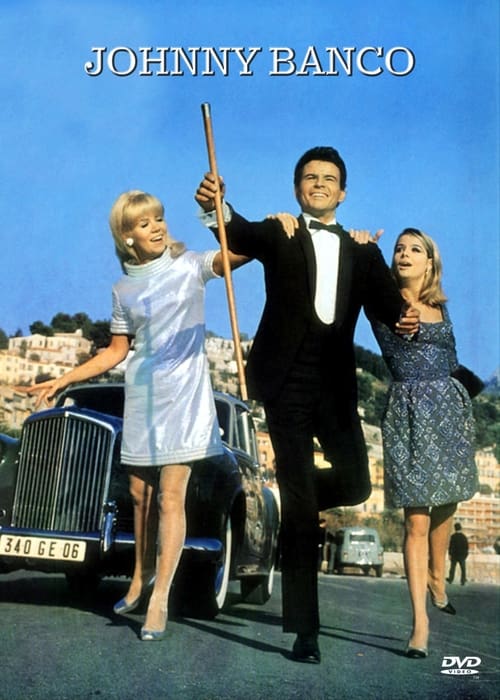
Johnny Banco
1967
No user ratings available yet
Representation score: 2.9 out of 10
Representation Score
Limited
1975
Director
Philippe de Broca
Runtime
100 minutes
Average Rating
No ratings yetNew Showbiz Analysis
Philippe de Broca’s film is a character study focused on an individualistic rebel rather than a diverse ensemble. It prioritizes the whimsical nature of a non-conforming protagonist over contemporary identity issues. The film lacks representation of various identities such as race, gender, and disability. It adheres to the cinematic norms of 1975, emphasizing a localized French setting and traditional romantic relationships. However, it stands out for its narrative structure, which celebrates the disruption of state authority and legal systems, offering a unique critique of institutional morality.
Category Breakdown
The film focuses on a traditional romantic relationship between Victor and Charlotte. There are no representations of same-sex relationships or non-cisgender identities.
Charlotte holds a position of authority as a parole officer. However, her role in driving the story is limited by her emotional connection to the male lead.
The cast is primarily made up of people from the same ethnic background, reflecting the French historical context. The film does not include diverse ethnic groups or actors from different backgrounds.
The film challenges social norms by presenting anti-social behavior as a form of charismatic freedom. It also criticizes cultural institutions through the attempted theft of a valuable artwork.
There are no visible or invisible disabilities portrayed as central to the story.
Present on Screen
Limited or Absent
Official Synopsis
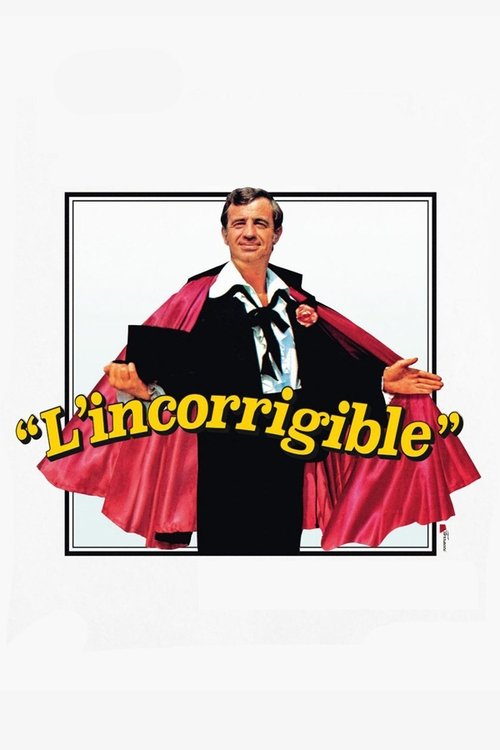
Victor Vautier is incorrigible: he's in constant motion, working several cons at once, using different names and changing disguises. He's charming and outrageous, incapable of uttering a sentence that isn't embellished or an outright lie. His life goal is to make enough money to build a sea wall to protect Mont-Saint-Michel. Charlotte, a parole officer, shows up: she's young and seems taken in by Victor. He discovers she lives above the Senlus Museum, where her parents are the curators. With two pals he decides to steal a priceless El Greco triptych and then ransom it back to the cultural ministry. What will Charlotte do when she realizes he's used her to make a fortune?
1967
1985
1961

1964
1968
1964
1967

1972
No reviews yet. Be the first to share your thoughts on this movie!
Use the rating form above to leave a star rating and optional review.