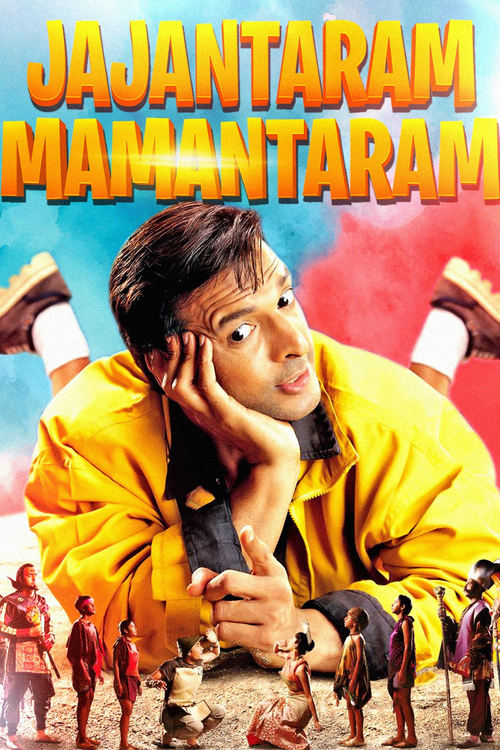
Jajantaram Mamantaram
2003
No user ratings available yet
Diversity score: 3.2 out of 10
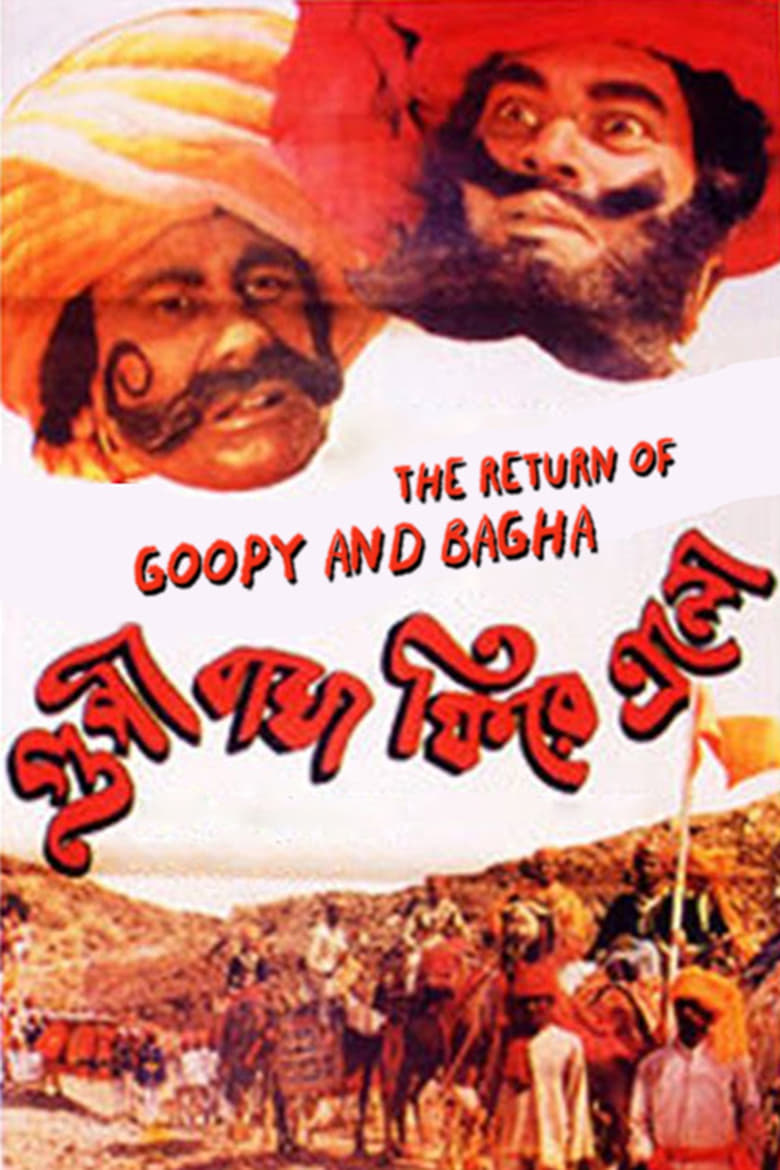
1992
Director
Sandip Ray
Runtime
119 minutes
Average Rating
No ratings yetSynopsis
Goopy Bagha Phire Elo (Bengali: গুপী বাঘা ফিরে এলো) (1992) is the third sequel of Goopy Gyne Bagha Byne series. It was directed by Sandip Ray and written by his father Satyajit Ray. This film was released eleven years after its predecessor Hirak Rajar Deshe.
Overall Score
Limited
Category Breakdown
LGBTQ+ Representation
The film focuses on the platonic bond between two male protagonists. There is no evidence of non-cisnormative identities or queer narratives.
Gender Representation
Agency is primarily held by the male duo within a traditional framework. The film follows conventional gender dynamics without attempting to subvert established roles.
Racial & Ethnic Diversity
The production offers strong cultural specificity through a primarily Bengali cast. It prioritizes indigenous aesthetics over Western-centric fantasy norms.
Religious & Cultural Diversity
The story operates within traditional socioeconomic structures and moral clarity. It reinforces classical storytelling rather than engaging in secular or anti-institutional critiques.
Disability Representation
There is no evidence of characters with visible or invisible disabilities being portrayed with agency. Disability is not a central narrative component.
Strengths
Areas for Improvement
AI Analysis
Goopy Bagha Feere Elo is a folkloric fantasy that prioritizes cultural continuity and the preservation of Bengali heritage. It functions as a whimsical adventure rooted in traditional oral storytelling rather than a vehicle for social commentary. While the film excels in providing authentic regional representation, it lacks intersectional complexity. The narrative architecture is designed to reinforce traditional social and moral frameworks rather than challenge them. Ultimately, the work favors classical storytelling and the preservation of a specific intellectual legacy over the subversion of modern social norms.
2003

1997
2007
1960

1968

1984
1956

1982
2012

1986

1989
1918
No reviews yet. Be the first to share your thoughts on this movie!
Use the rating form above to leave a star rating and optional review.