
Bearskin
1986
No user ratings available yet
Representation score: 3.9 out of 10
Representation Score
Fair
1989
Director
Konrad Petzold
Runtime
80 minutes
Average Rating
No ratings yetNew Showbiz Analysis
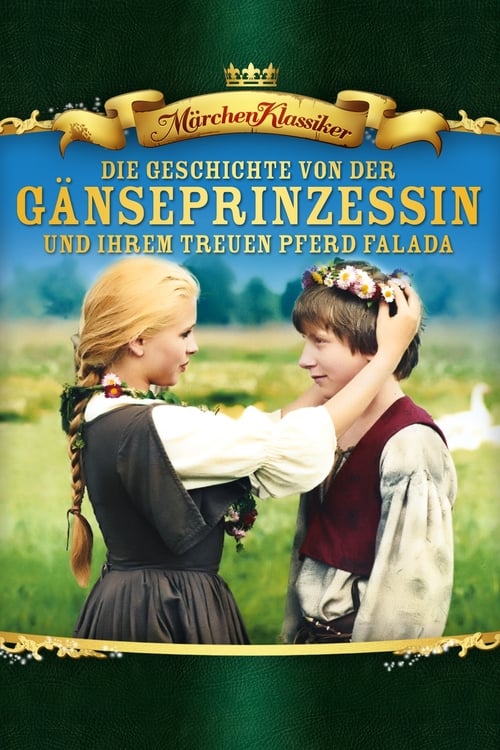
The Goose Princess is a traditional folk-tale narrative rooted in East German cinematic history. It prioritizes classical storytelling and localized cultural myths over modern multi-layered complexity. While the film may offer nuanced critiques of power dynamics and social justice, it lacks intentional demographic diversity. The representation remains tied to the homogeneous demographics of its 1989 production context. Ultimately, the film adheres to established fairy-tale structures rather than pushing for progressive identity-driven representation.
Category Breakdown
The film does not include explicit LGBTQ narratives or non-cisgender identities. It follows traditional romantic storylines common in late-80s folk-tale adaptations.
A female princess serves as the main character. It is unclear whether she challenges traditional gender roles or follows the cliché of a passive figure needing rescue.
The production reflects the homogeneous demographic of its era and region. There is no indication of race-bent casting or a non-Anglo-Saxon majority cast.
The story uses folklore to explore morality and loyalty. It aligns with DEFA traditions that critique absolute power and oppressive authority structures.
There is no mention of characters with visible or invisible disabilities within the narrative.
Present on Screen
Limited or Absent
Official Synopsis
Princess Aurinia goes with her maid Lisa to the castle of King Ewald, his son Ivo, to whom she is promised as a wife. On the way, Lisa forces the princess into a role reversal, her secret plan is that she herself wants to be queen.
1986
1999
1997
1971
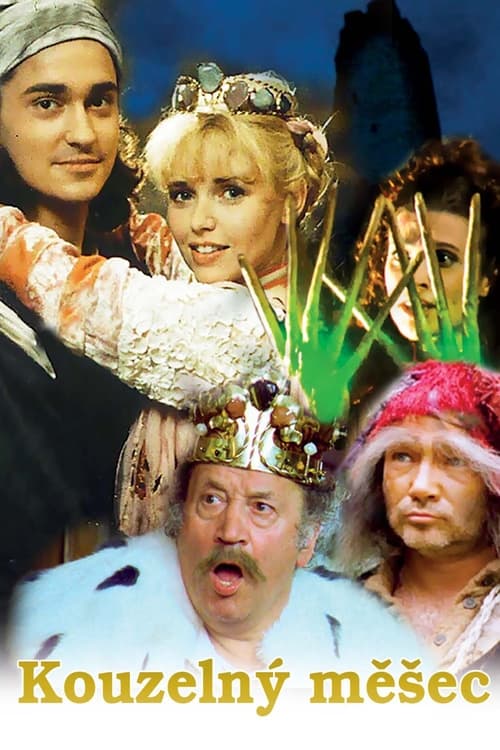
1996

1968
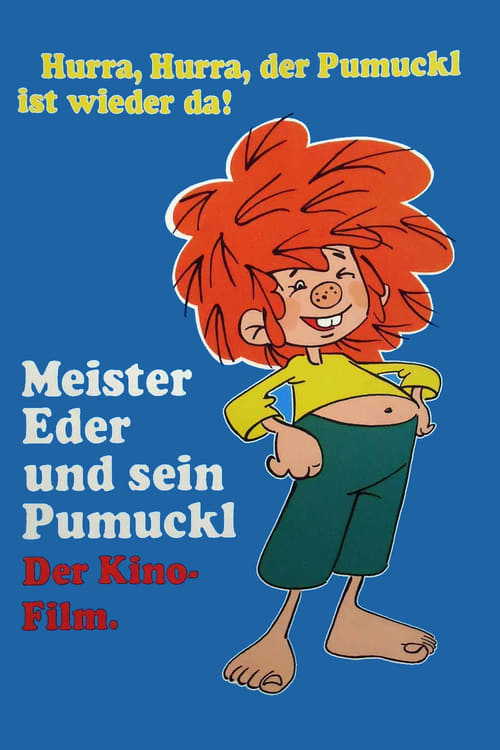
1982
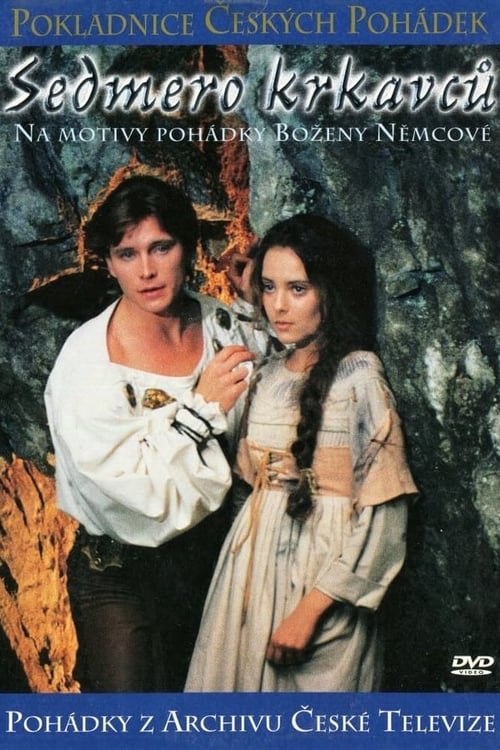
1993
No reviews yet. Be the first to share your thoughts on this movie!
Use the rating form above to leave a star rating and optional review.