
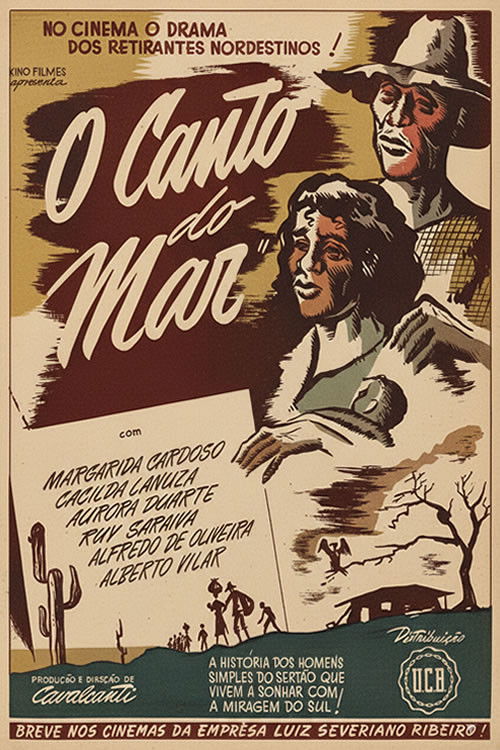
Barren Lives
1963
No user ratings available yet
Representation score: 7.8 out of 10
Representation Score
Good
1953
Director
Alberto Cavalcanti
Runtime
84 minutes
Average Rating
No ratings yetNew Showbiz Analysis
Alberto Cavalcanti’s work offers a gritty, social-realist perspective on the systemic hardships faced by Northeastern Brazil. By focusing on underrepresented communities, the film avoids idealized domesticity and instead presents a raw portrayal of survival. The narrative effectively highlights regional identity and the resilience of women in economic crises. It uses disability and illness not just as plot devices but as realistic reflections of poverty's impact on the human body and mind. However, the film remains limited by its focus on traditional romantic structures and lacks representation of non-straight identities. The depiction of disability and mental health issues primarily serves to drive the family's desperation.
Category Breakdown
The film does not include any LGBTQ+ characters or non-straight relationships. It focuses on traditional family structures and romantic pairings like Raimundo and Aurora.
Women play a central role, with the washerwoman serving as the family's economic backbone. The film also delves into gendered survival through a daughter's interest in sex work.
The story centers on Northeastern Brazilian migrants and the urban poor in Recife. This focus breaks Eurocentric norms by emphasizing regional identity and class-based ethnicity.
The film critiques systemic neglect and regional inequality in Brazil. It shows how environmental collapse and economic hardship force characters into desperate, non-traditional survival measures.
Mental health struggles and chronic illness are shown through the father and younger son. These elements reflect the vulnerabilities inherent in impoverished populations.
Present on Screen
Limited or Absent
Official Synopsis
In the drought areas of Northeastern of Brazil, groups of migrants move trying to find better place to live, at least with water. Some of them go to Recife, to get a vessel to Santos expecting to have a better life in the Southern. In the poor area of Recife, an old washerwoman launders clothes to survive and support her family. Her husband Zé Luis, a former sailor, is crazy due to a hit of the boom of a mast on his head. Her older son Raimundo works in a grocery and selling mangoes on the street, trying to save money to move to the Southeastern with his girl-friend Aurora. Her daughter wants to be a prostitute to have a better quality of life. Her younger son is seriously sick.
1963

1970
1962

1945

1959

1981
1957

1966
No reviews yet. Be the first to share your thoughts on this movie!
Use the rating form above to leave a star rating and optional review.