
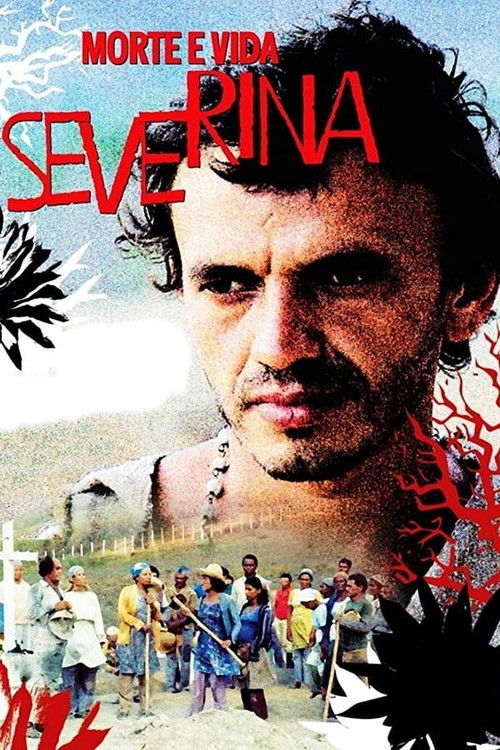
Morte e Vida Severina
1977
No user ratings available yet
Representation score: 5.8 out of 10
Representation Score
Fair
1981
Director
Walter Avancini
Runtime
60 minutes
Average Rating
No ratings yetNew Showbiz Analysis
Walter Avancini’s adaptation is a powerful examination of systemic neglect in Northeastern Brazil. It excels through its authentic racial representation, focusing on the lived experiences of the underrepresented peasantry rather than treating them as secondary figures. The film’s strength lies in its critique of capitalism and its refusal to ignore the regional demographic. By emphasizing the sertanejo identity, it offers a vivid portrayal of the failure of social structures. However, the narrative remains tied to traditional social hierarchies. Gender roles are conventional, and there is no representation of LGBTQ+ characters or narratives focused on identity exploration.
Category Breakdown
The film does not include any LGBTQ+ characters or narratives. Instead, it focuses on the socioeconomic struggle for survival within a traditional rural setting.
Women are shown as strong and resilient, participating in the fight against famine. However, they are primarily depicted in traditional domestic and labor-intensive roles.
The film stands out by featuring Afro-Brazilian and mixed-race rural workers. This authentic casting gives real power to characters of color within the sertanejo identity.
The film provides a strong critique of power dynamics and regional inequality. It highlights the stark contrast between the land-owning elite and the landless migrant class.
The film shows the physical effects of malnutrition and extreme poverty. These elements are presented as symptoms of socioeconomic conditions rather than as character-driven disabilities.
Present on Screen
Limited or Absent
Official Synopsis
The saga of Severino, a poor guy living in the back country of Northeast Brazil, leaving for the big city of Recife, in search of a better life.
1977
1963
2000
1974
1966
1953

2016
No reviews yet. Be the first to share your thoughts on this movie!
Use the rating form above to leave a star rating and optional review.