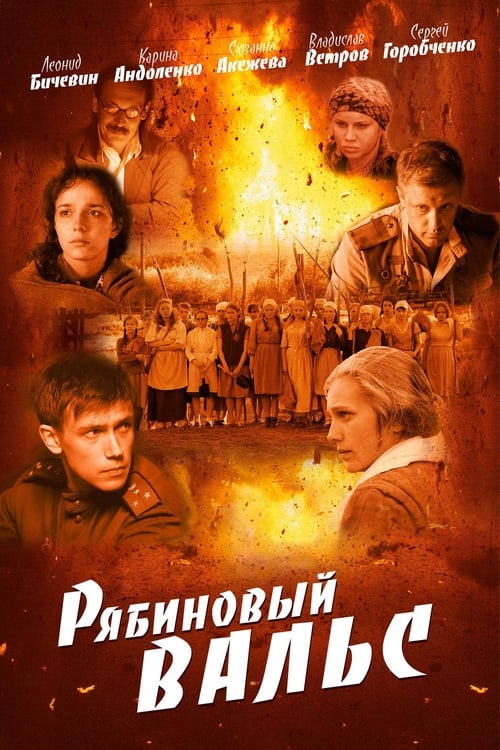
Ashberry Waltz
2010
No user ratings available yet
Representation score: 1.4 out of 10
Representation Score
Limited
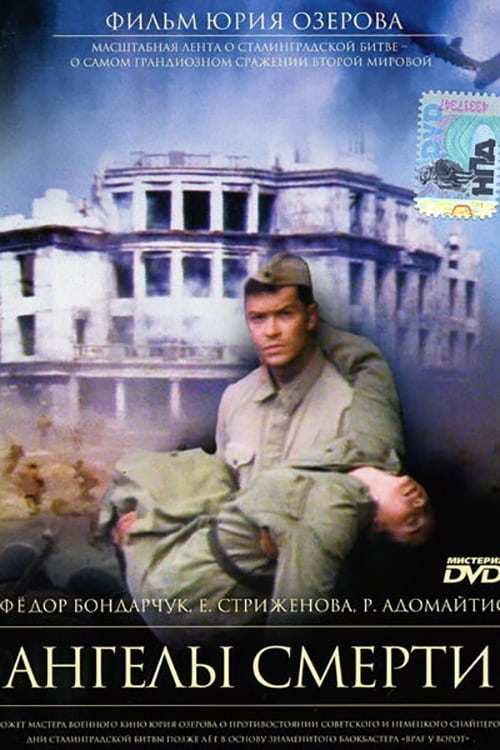
1993
Director
Yuri Ozerov
Runtime
94 minutes
Average Rating
No ratings yetNew Showbiz Analysis
Angels of Death operates as a conventional historical epic that prioritizes classic storytelling and romantic tragedy. The film follows the established clichés of wartime dramas, emphasizing the gravity of historical events. The production utilizes a diverse Soviet-era cast, reflecting the demographic realities of its time. However, this ethnic variety serves historical accuracy rather than challenging modern casting norms. The film lacks depth in addressing multiple aspects of identity and maintains a traditional structure that upholds historical and nationalistic themes.
Category Breakdown
The film does not include any characters or stories related to LGBTQ+ individuals. It focuses on traditional romantic relationships typical of WWII-era dramas.
The film features a strong female lead in the central romance. However, her role may be confined to traditional domestic or romantic roles common in WWII-era films.
The cast includes actors from various Eastern European backgrounds, reflecting the multi-ethnic composition of the former Soviet Union. This adds regional ethnic variety within the historical context.
The story emphasizes patriotism, duty, and national identity. It aligns with traditional values and the moral significance of historical struggles. The narrative does not challenge conventional themes.
There is no mention of physical or neurodivergent disabilities in the film. These elements are not part of the known character descriptions.
Present on Screen
Limited or Absent
Official Synopsis
A tragic love story set during WWII.
2010

1959
1956
1957
1975
1958
1994
2021
No reviews yet. Be the first to share your thoughts on this movie!
Use the rating form above to leave a star rating and optional review.