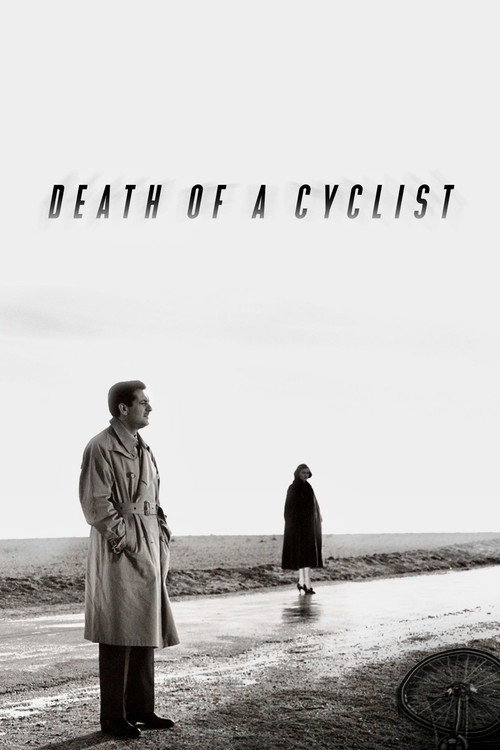
Death of a Cyclist
1955
No user ratings available yet
Representation score: 5.9 out of 10
Representation Score
Minimal
1965
Director
José Luis Borau
Runtime
87 minutes
Average Rating
No ratings yetNew Showbiz Analysis
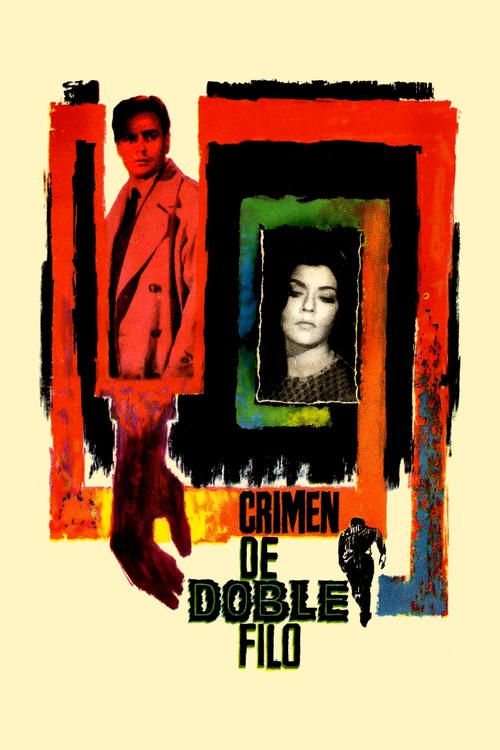
Double Edged Crime is a psychological thriller that emphasizes character-driven tension over demographic diversity. The narrative centers on the internal moral paralysis of its male protagonist, Andrés, as he deals with the aftermath of witnessing a murder. While the film lacks significant markers of diversity, it stands out by subverting the traditional hero archetype. Instead of presenting a courageous witness, the film explores the vulnerability and fear of retaliation experienced by its protagonist. Overall, the film reflects the cinematic landscape of 1965, offering a nuanced exploration of moral ambiguity rather than a diverse array of characters.
Category Breakdown
The film does not include any characters or stories related to LGBTQ+ identities or experiences.
The story revolves around a male protagonist named Andrés, following a traditional masculine-focused thriller structure. Female characters do not play a prominent role or play a significant role in driving the story.
The cast reflects the demographic characteristics of 1965 Spain, with no evidence of diverse ethnic representation or multi-layered casting.
The narrative delves into moral relativism and subjective morality, challenging the typical heroic archetype by focusing on a protagonist's struggle with systemic fear and ambiguity.
There is no depiction or mention of physical or neurodivergent disabilities in the film.
Present on Screen
Limited or Absent
Official Synopsis
Andrés, an unsuccessful young pianist, witnesses a murder; but keeps silent for fear that the man he has seen next to the corpse will retaliate against him.
1955

1958
1951
1953
1960
1956
1952
1975
No reviews yet. Be the first to share your thoughts on this movie!
Use the rating form above to leave a star rating and optional review.