
Elevator to the Gallows
1958
No user ratings available yet
Representation score: 1.9 out of 10
Representation Score
Fair
1955
Not RatedDirector
Juan Antonio Bardem
Runtime
88 minutes
Average Rating
No ratings yetNew Showbiz Analysis
Bardem’s film is a sophisticated critique of mid-century social stratification. Using the style of Neorealism, it exposes the moral emptiness within the Spanish upper class during the Franco era. The film effectively highlights the systemic issues of class-based power dynamics. By depicting the wealthy as disconnected from empathy, it challenges the stability of the social order. However, the film lacks LGBTQ+ characters and nuanced portrayals of disability. It remains focused on the demographic homogeneity of its specific historical context.
Category Breakdown
The film does not include any LGBTQ+ characters or narratives. The main conflict revolves around a traditional affair and maintaining social status.
María plays a significant role in driving the film's moral tension. The narrative challenges typical male stereotypes by showing wealthy men as emotionally fragile and anxious.
Set in 1950s Madrid, the film reflects the era's lack of racial diversity. Class differences are used to contrast the wealthy elite with the working class.
The film sharply criticizes the bourgeoisie and traditional Western institutions. It portrays the upper class as morally bankrupt and indifferent.
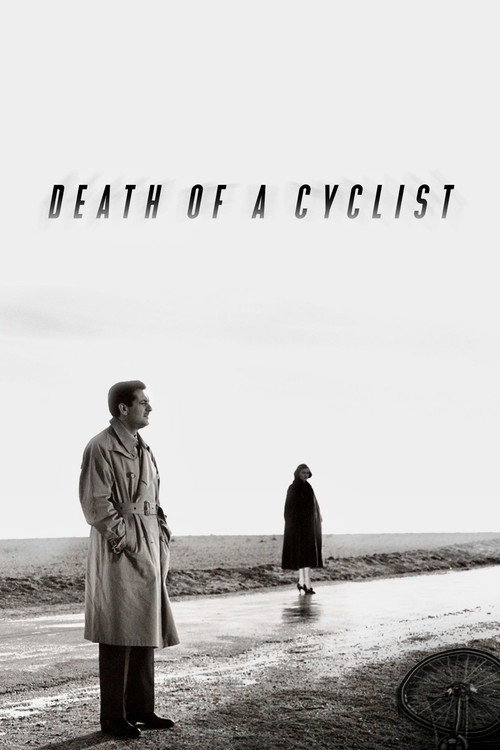
The injured cyclist serves mainly as a symbol of the vulnerable lower class rather than a character with ability to act. The injury highlights the protagonist's callousness.
Present on Screen
Limited or Absent
Official Synopsis
A couple having an affair strike a bicyclist with their car and do not offer aid out of fear of their relationship being exposed.
1958

1943
1973
1949
1951
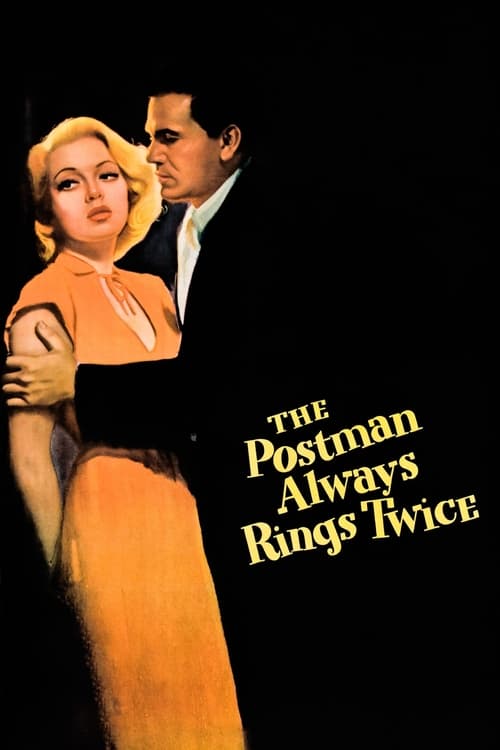
1946
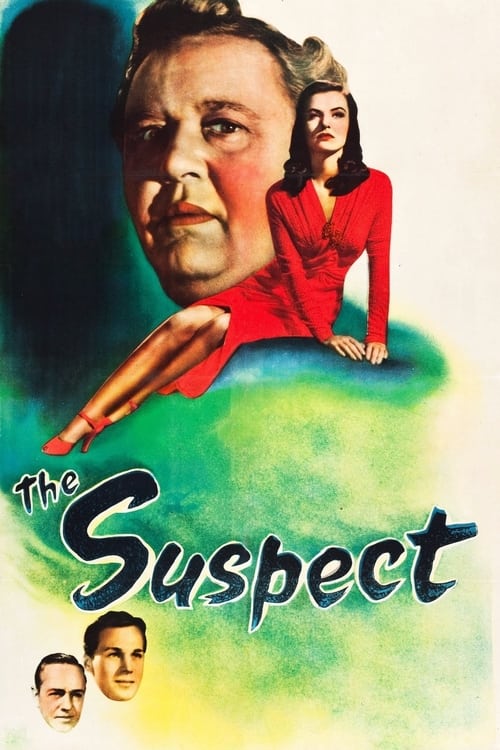
1945
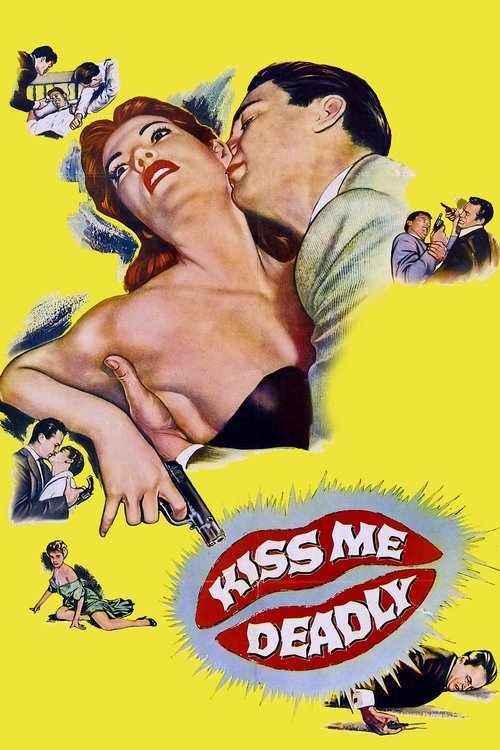
1955
No reviews yet. Be the first to share your thoughts on this movie!
Use the rating form above to leave a star rating and optional review.