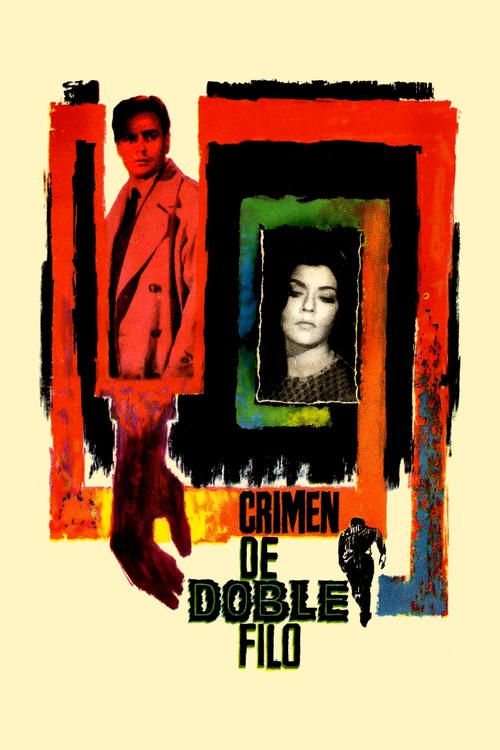
Double Edged Crime
1965
No user ratings available yet
Representation score: 1.9 out of 10
Representation Score
Fair
1952
Director
Carlos Hugo Christensen
Runtime
67 minutes
Average Rating
No ratings yetNew Showbiz Analysis
Carlos Hugo Christensen’s drama stands out for its challenge to 1950s gender stereotypes. By centering the plot on a woman's complex psychological instability, the film moves beyond the era's typical idealized femininity to present a character with destructive influence. However, the film remains a product of its historical context, lacking broad diversity. The representation of mental health serves the thriller's tension rather than offering a deep exploration of disability, and the cast remains largely homogeneous. Ultimately, while the film lacks modern diversity in terms of race and LGBTQ+ identity, its focus on female psychological complexity provides a notable departure from traditional mid-century hierarchies.
Category Breakdown
The film does not include any explicit LGBTQ+ identities or relationships that go beyond the assumption that everyone is straight or cisgender. The story focuses on the psychological tension between central romantic figures, adhering to social norms of the 1950s.
The film challenges mid-century gender clichés by focusing on the psychological complexity and emotional intensity of a female protagonist. It explores her obsession rather than portraying women as passive domestic figures.
The cast is relatively homogeneous, reflecting typical mainstream Argentine productions of the time. There is no indication of significant racial diversity among the main characters.
The narrative functions as a psychological study of obsession, presenting a subjective view of truth and sanity. It does not critique Western institutions or have overt anti-capitalist themes.
Mental health and neurodivergence drive the thriller elements through the protagonist's instability. However, these elements focus on social disruption rather than providing a nuanced, ability to act-driven portrayal of lived experience.
Present on Screen
Limited or Absent
Official Synopsis
While playing a prank, a young boy accidentally discovers the identity of a criminal lurking in the neighborhood.
1965
1948

2003
1955
1943
1949
1950
1953
No reviews yet. Be the first to share your thoughts on this movie!
Use the rating form above to leave a star rating and optional review.