Bad Cat
2016
No user ratings available yet
Representation score: 4.7 out of 10
Representation Score
Fair
2011
NRDirector
Antoine Delesvaux, Joann Sfar
Runtime
100 minutes
Average Rating
No ratings yetNew Showbiz Analysis
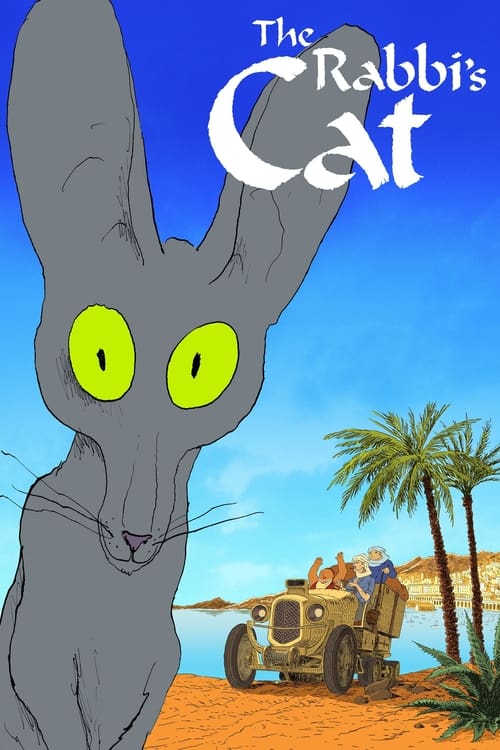
The Rabbi's Cat is a sophisticated animated film that uses a fantastical element to critique social and religious hierarchies. Its greatest strength lies in its refusal to conform to a standard Western or religious orthodoxy. By focusing on Sephardic culture in a North African setting, the film moves beyond simplistic portrayals of Middle Eastern identities. It adeptly navigates the complexities of a post-colonial landscape through nuanced storytelling. However, the film remains limited by a male-centric perspective and a lack of explicit LGBTQ+ representation.
Category Breakdown
The film does not focus on LGBTQ+ identities or same-sex relationships. It explores unconventional desires from the cat's perspective but stays within traditional romantic frameworks.
The story mainly focuses on male perspectives, featuring the Rabbi and the boy Zag. Women play important social roles but often operate within domestic spheres rather than driving the central philosophical conflicts.
The film stands out by depicting Sephardic Jewish identity within a North African colonial context. It offers a nuanced look at the coexistence and tension between Jewish and Muslim neighbors, challenging a Eurocentric viewpoint.
The story uses a talking cat to question institutional religious doctrines and authority. It emphasizes individual spiritual inquiry and moral relativism over strict adherence to sacred texts and traditional institutions.
There are no prominent depictions of physical or neurodivergent disabilities that serve as central character arcs or plot devices within the narrative.
Present on Screen
Limited or Absent
Official Synopsis
The story of a rabbi and his talking cat, a sharp-tongued feline philosopher brimming with scathing humor and a less than pure love for the rabbi's teenage daughter.
2016
2010
2014
2011
2010

2016
2010
2010
No reviews yet. Be the first to share your thoughts on this movie!
Use the rating form above to leave a star rating and optional review.