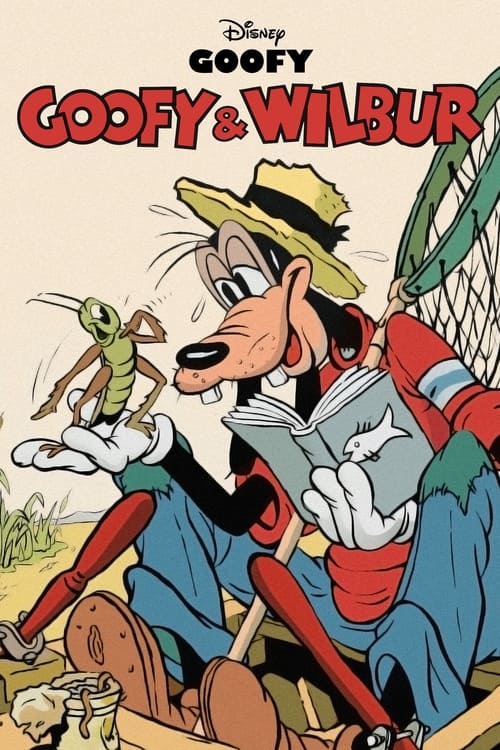
Goofy and Wilbur
1939
No user ratings available yet
Representation score: 0.3 out of 10
Representation Score
Limited
1977
Director
Vladimir Popov
Runtime
10 minutes
Average Rating
No ratings yetNew Showbiz Analysis
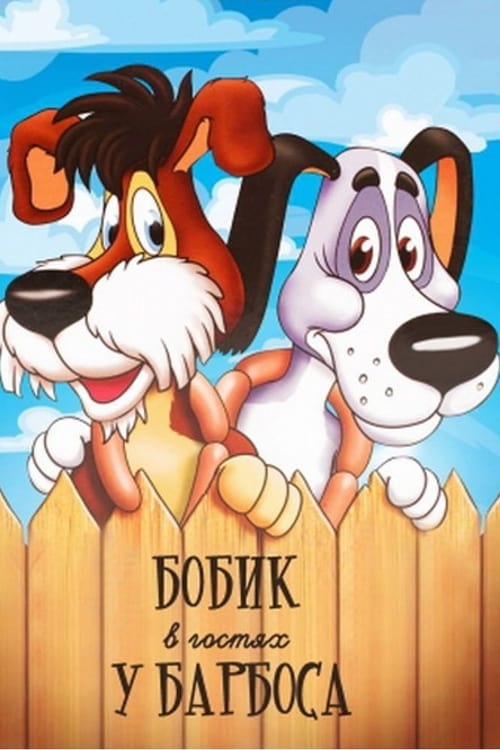
Bobik Visiting Barbos is a traditional animated comedy that follows a classic fable structure. The story centers on the friendship between two dogs from different socioeconomic backgrounds, using their status to drive the plot. While the film touches on socioeconomic themes, it lacks the depth or representation of underrepresented identities found in more progressive works. The narrative structure adheres to conventional storytelling methods without challenging broader social norms. Ultimately, the film serves as a straightforward character study of social stratification through animal characters, without addressing diverse identities or complex multi-layered themes.
Category Breakdown
The film does not include any representation of LGBTQ+ identities or same-sex relationships. The story focuses solely on the friendship between the animal characters.
The protagonists are gender-neutral dogs, which provides a neutral starting point. There is no challenge to traditional gender roles or stereotypes in the character dynamics.
The story emphasizes class differences rather than racial or ethnic diversity. There is no indication of diverse racial or ethnic backgrounds among the characters.
The plot explores socioeconomic themes through the friendship of a stray dog and a well-off dog. This highlights the impact of social status and resource distribution.
The narrative does not incorporate neurodivergence, physical disabilities, or mental health conditions into the character arcs of the dogs.
Present on Screen
Limited or Absent
Official Synopsis
Two dogs, one stray the other well-off, become friends.
1939
1986
1948
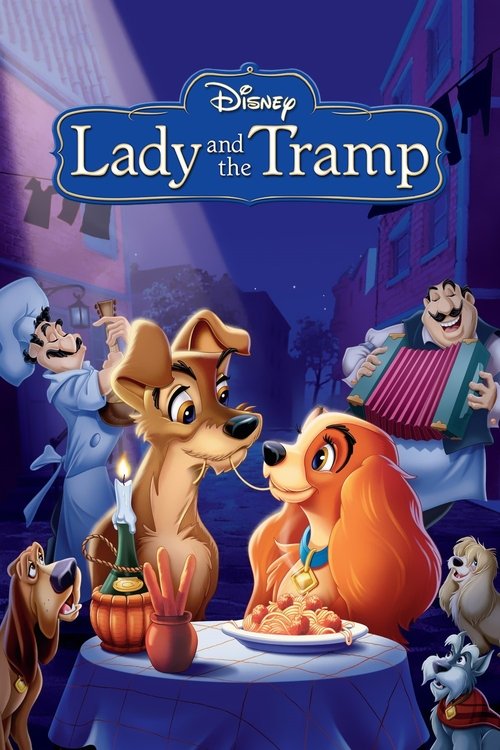
1955

1986
1958

1985
1998
No reviews yet. Be the first to share your thoughts on this movie!
Use the rating form above to leave a star rating and optional review.