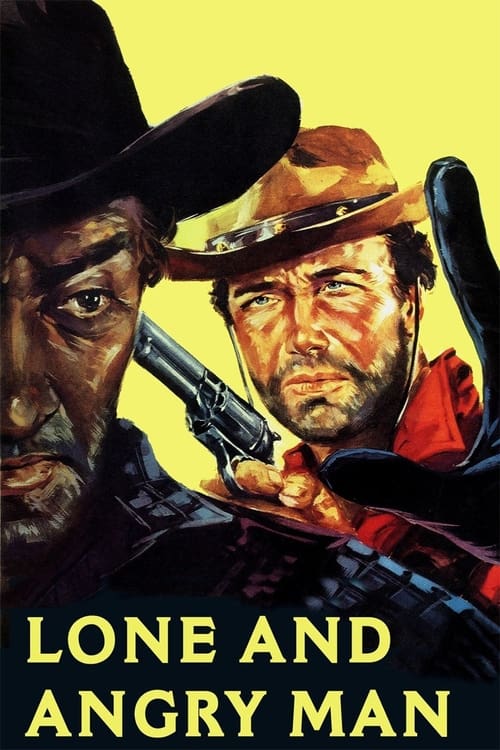
Lone and Angry Man
1965
No user ratings available yet
Diversity score: 3.2 out of 10
1968
NRDirector
Henri Verneuil
Runtime
111 minutes
Average Rating
No ratings yetSynopsis
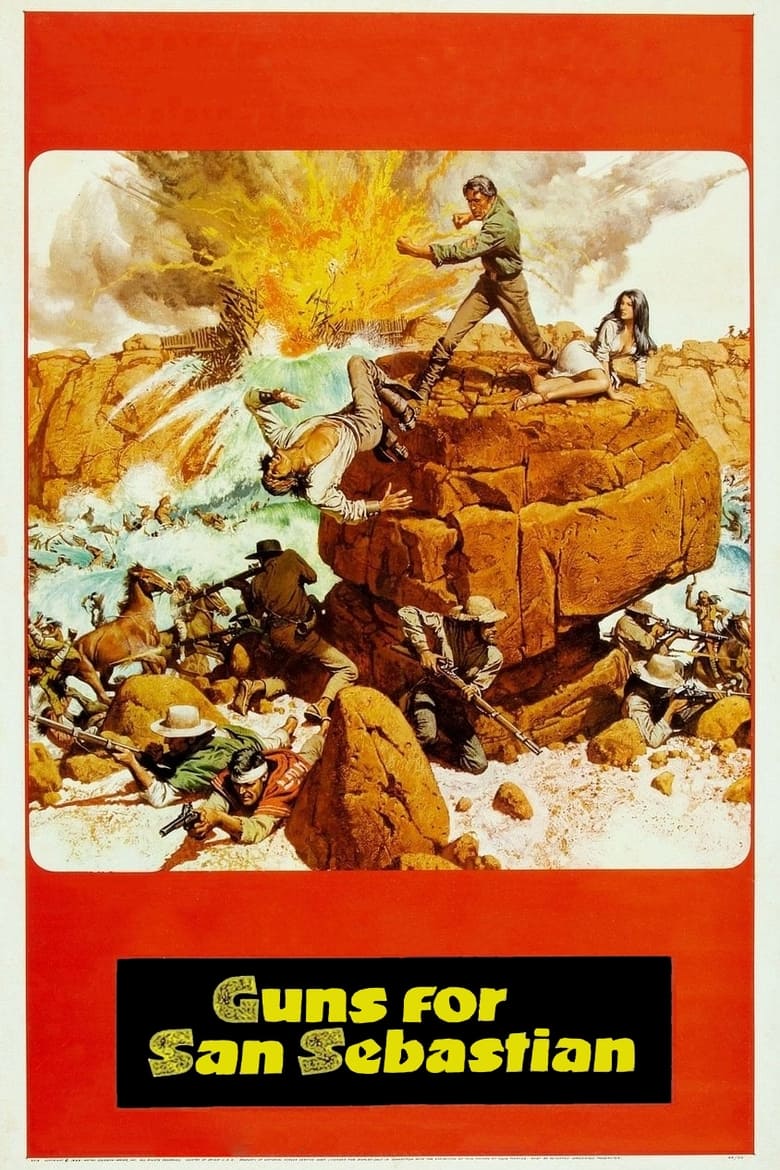
Leon Alastray is an outlaw who has been given sanctuary by Father John, whom he then escorts to the village of San Sebastian. The village is deserted, with its cowardly residents hiding in the hills from Indians, who regularly attack the village and steal all their supplies. When Father John is murdered, the villagers mistakenly think the outlaw is the priest. Alastray at first tells them he is not a priest, but they don't believe it, and an apparent miracle seems to prove they are correct. Eventually, he assists them in regaining their confidence and defending themselves.
Overall Score
Limited
Category Breakdown
LGBTQ+ Representation
The film follows a traditional Western conflict centered on an outlaw and a priest. There is no evidence of non-cisnormative identities or same-sex intimacy.
Gender Representation
Agency is driven almost exclusively by male characters, including the protagonist and the priest. The plot reinforces masculine archetypes of the protector and leader.
Racial & Ethnic Diversity
Indigenous populations serve as the primary antagonistic force in the narrative. These characters function as an external threat rather than nuanced individuals with complex agency.
Religious & Cultural Diversity
The story engages with the Catholic Church through Father John. It uses a misunderstanding involving a perceived miracle to explore themes of subjective morality.
Disability Representation
The narrative does not feature characters with visible or invisible disabilities. No neurodivergent traits or physical impairments drive the plot.
Strengths
Areas for Improvement
AI Analysis
Guns for San Sebastian is a conventional 1960s Western that relies heavily on established genre tropes. The narrative structure prioritizes masculine leadership and traditional power dynamics, centering on an outlaw's journey to protect a village. While the film includes ethnic diversity through the presence of Indigenous groups, these characters are positioned as antagonists rather than fully realized individuals. This framing limits the depth of the film's cultural engagement. Ultimately, the film adheres to the social hierarchies of its era. It lacks the intersectional complexity or subversion of archetypes necessary to move beyond a standard genre piece.
1965
1967

1965
1966
1972
1966
1970
1964
1968
1957
1954
1968
No reviews yet. Be the first to share your thoughts on this movie!
Use the rating form above to leave a star rating and optional review.