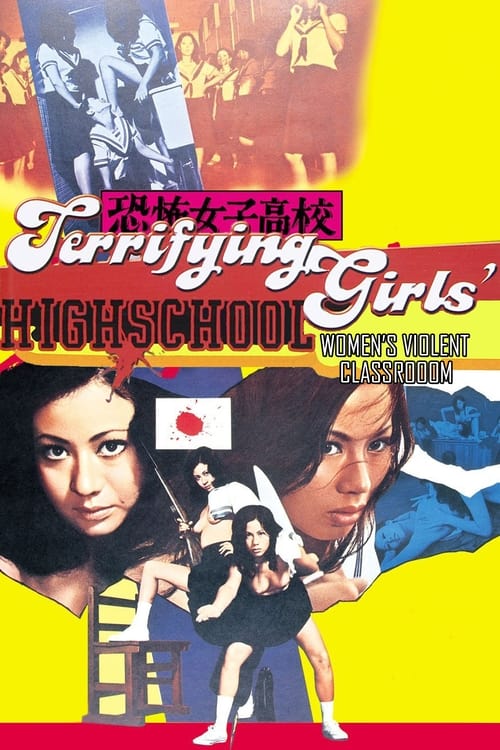
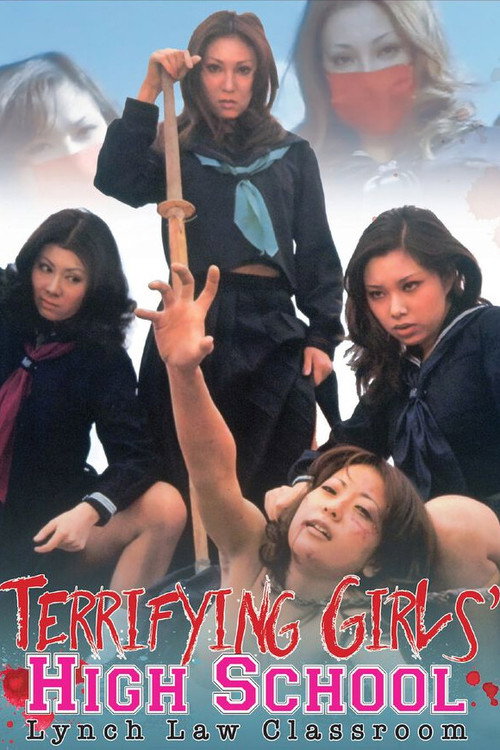
Terrifying Girls' High School: Women's Violent Classroom
1972
No user ratings available yet
Representation score: 5.2 out of 10
Representation Score
Fair
1973
Director
Norifumi Suzuki
Runtime
89 minutes
Average Rating
No ratings yetNew Showbiz Analysis
Norifumi Suzuki’s film is a bold critique of institutional power. It excels by emphasizing women's ability to drive the story and challenging passive clichés with proactive characters who dismantle corrupt, male-dominated systems. The narrative thrives on its subversion of social hierarchies, framing rebellion against corrupt authorities as a justified response to systemic cruelty. However, the film remains culturally homogeneous, lacking broad ethnic diversity and explicit LGBTQ+ representation.
Category Breakdown
The film centers on an all-female environment, suggesting a departure from heterosexual norms. However, it does not explicitly depict LGBTQ+ identities.
The narrative is driven by female characters who challenge traditional gender roles. A Yakuza biker character further defies conventional feminine stereotypes.
The cast is predominantly Japanese, focusing on domestic issues rather than showcasing diverse ethnic backgrounds.
The film critiques institutions and hierarchies, presenting rebellion against corrupt authorities as a necessary response to injustice.
There is no discernible evidence regarding the portrayal of physical or neurodivergent disabilities in the film.
Present on Screen
Limited or Absent
Official Synopsis
Three new students at a super-strict girl's school must face off with a repressive school administration, the sadistic, murderous student discipline brigade and corrupt politicians over the murder/suicide of one of their friends. They're approached by a blackmailer (Tsunehiko Watase) who promises to help them exact vengeance in exchange for setting up a corrupt local politician, and aided by a independent Yakuza biker chick (Reiko Ike).
1972
1972

1973

1974
1972

1986
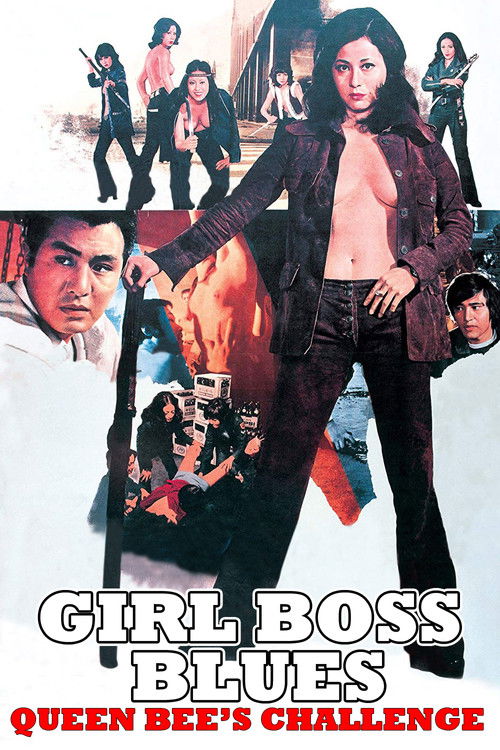
1972

1971
No reviews yet. Be the first to share your thoughts on this movie!
Use the rating form above to leave a star rating and optional review.