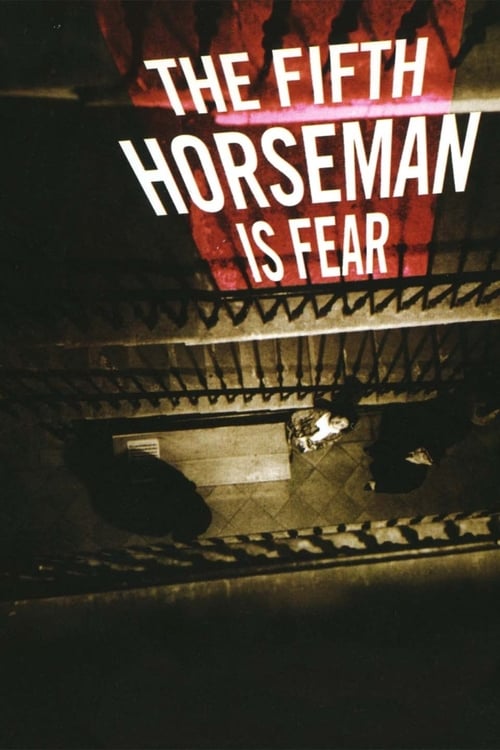
The Fifth Horseman Is Fear
1965
No user ratings available yet
Diversity score: 5.0 out of 10

1963
Director
Zbyněk Brynych
Runtime
94 minutes
Average Rating
No ratings yetSynopsis
Czechoslovakian Zbynek Brynych directs this psychological drama set in World War II Terezin ghetto. A dark, visual portrayal of the trials and tribulations the Theresienstadt people faced on a daily basis presented in a series of memorable stories. Their hopes and dreams unfold against the perpetual threat of deportation (or worse) by the Nazis. Based on the novel "Night and Hope" by Arnost Lustig.
Overall Score
Fair
Category Breakdown
LGBTQ+ Representation
The film lacks explicit LGBTQ+ characters or narratives. The score reflects a lack of overt representation within the historical and social constraints of the 1960s.
Gender Representation
The narrative focuses heavily on male protagonists and masculine existentialism. While it avoids traditional gender tropes, it lacks female roles driven by significant agency.
Racial & Ethnic Diversity
The cast is inherently Jewish due to the Terezín ghetto setting. The film provides profound depth to this marginalized group through their psychological resistance.
Religious & Cultural Diversity
The film excels in critiquing institutionalized oppression through surrealism. It presents a deep skepticism of state authority and traditional power structures.
Disability Representation
Characters experience psychological trauma and existential paralysis. These mental states serve as atmospheric tools to heighten dread rather than providing proactive agency.
Strengths
Areas for Improvement
AI Analysis
Zbyněk Brynych’s work uses surrealism to deconstruct the traditional war drama. Instead of a heroic linear plot, the film explores the systemic victimization of Jewish people in the Terezín ghetto. It focuses on the absurdity of existence under Nazi occupation. The film's strength is its intellectual depth and its critique of institutionalized cruelty. It treats the human condition as a site of existential struggle rather than a simple historical reenactment. However, the film lacks modern intersectional markers. The focus on masculine psychological states and the absence of explicit LGBTQ+ narratives limit its contemporary diversity profile.
1965
1961
1986
1973
2008
2007
1985
1959
1983

2002
2011
2018
No reviews yet. Be the first to share your thoughts on this movie!
Use the rating form above to leave a star rating and optional review.