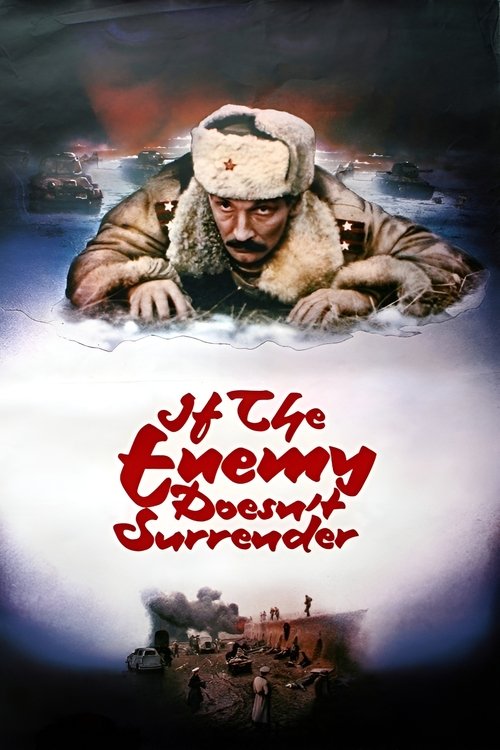
If the Enemy Doesn't Surrender...
1983
No user ratings available yet
Representation score: 2.2 out of 10
Representation Score
Limited
1981
Director
Valeri Isakov, Yuri Ivanchuk
Runtime
93 minutes
Average Rating
No ratings yetNew Showbiz Analysis
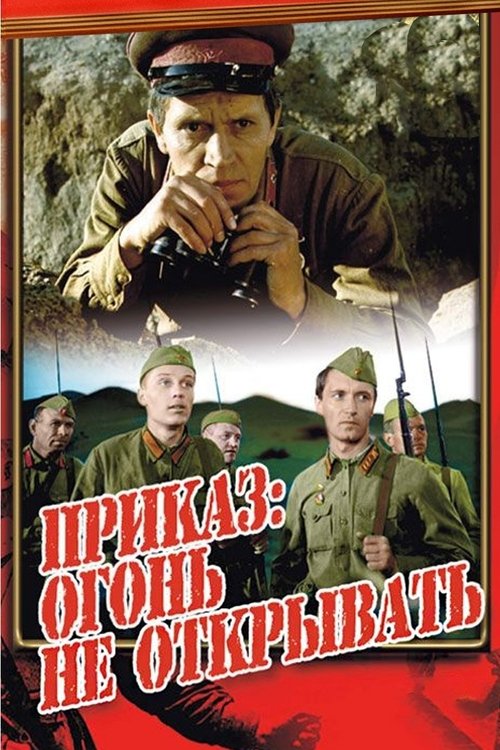
The Order: Do Not Open Fire is a historical drama that reflects the values of 1981 Soviet society. Its narrative structure supports the state and military institutions of that time, rather than challenging social structures. The film’s representation is limited by its focus on masculine leadership and collective identity. While it likely includes a multi-ethnic cast, it does not incorporate modern approaches to diversity or give characters from different backgrounds significant roles. Overall, the film serves as a historical document of Soviet patriotism, prioritizing collective struggle over individual identities or underrepresented experiences.
Category Breakdown
The film does not include any LGBTQ+ characters or stories that challenge the assumption that everyone is straight or cisgender. It follows the conventions of Soviet cinema from 1981.
Men hold most of the important roles in the military, while women have minor supporting roles. The film highlights masculine leadership and toughness.
The cast likely includes people from various ethnic backgrounds reflecting the Soviet Union. However, the story focuses on the Soviet state identity.
The film emphasizes collective unity and state-approved morals. It serves as a historical record of Soviet patriotism and duty, rather than individual expression.
There are no characters with disabilities shown taking active roles. Physical injuries are used mainly as plot devices to highlight the harshness of war.
Present on Screen
Limited or Absent
Official Synopsis
A movie about a Soviet soldiers on the Japanese borders during 1941.
1983

1977
1991
1959
1943
1984
1972
1979
No reviews yet. Be the first to share your thoughts on this movie!
Use the rating form above to leave a star rating and optional review.