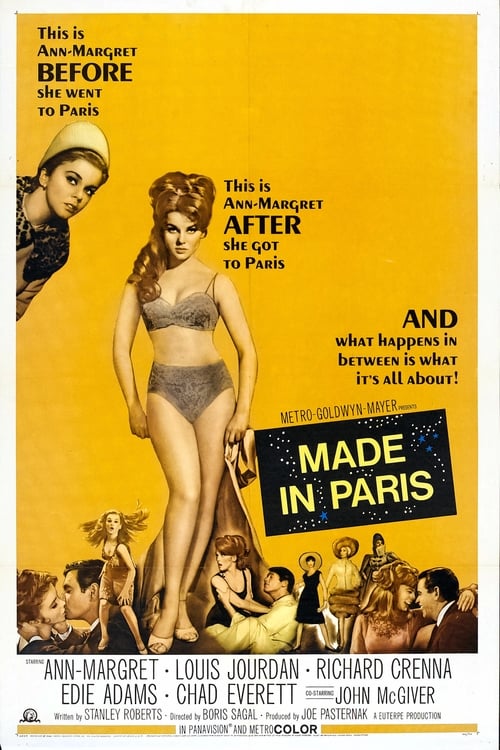
Made in Paris
1966
No user ratings available yet
Representation score: 2.7 out of 10
Representation Score
Limited
1963
ApprovedDirector
Melville Shavelson
Runtime
110 minutes
Average Rating
No ratings yetNew Showbiz Analysis
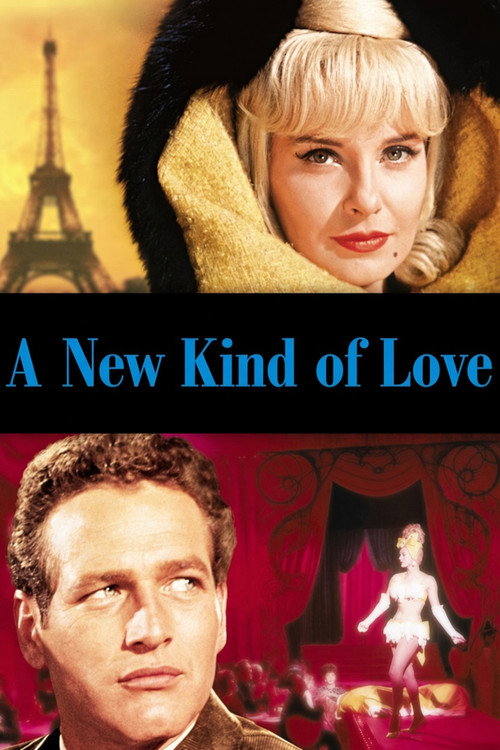
A New Kind of Love is a classic mid-century romantic comedy that upholds conventional clichés and social conformity. While it avoids the most rigid gender stereotypes through its female lead's assertiveness, it remains deeply rooted in the era's mainstream standards. The film lacks intentionality regarding diverse representation, offering a white-centric narrative that avoids LGBTQ+ identities, multiculturalism, or disability. It reinforces existing social hierarchies without disrupting them.
Category Breakdown
The film does not include any LGBTQ+ identities or non-cisgender gender expressions.
The central romance is traditional, but Ann-Margret’s character shows a sophisticated and assertive personality, which slightly challenges the passive female stereotype typical of the time.
The casting and narrative focus reflect the homogeneous production standards of 1960s Hollywood. The story lacks significant racial diversity and does not engage with multiculturalism.
The narrative emphasizes traditional social stability and personal integrity, reinforcing Western institutions rather than challenging them.
There is no representation of physical or neurodivergent disabilities. Characters are depicted solely as standard romantic leads.
Present on Screen
Limited or Absent
Official Synopsis
A down-and-out reporter and a fashion designer fall in love in Paris.
1966

1952
1979

1958

1965

1964

1960

1961
No reviews yet. Be the first to share your thoughts on this movie!
Use the rating form above to leave a star rating and optional review.