In the Mood
1987
No user ratings available yet
Representation score: 1.4 out of 10
Representation Score
Limited
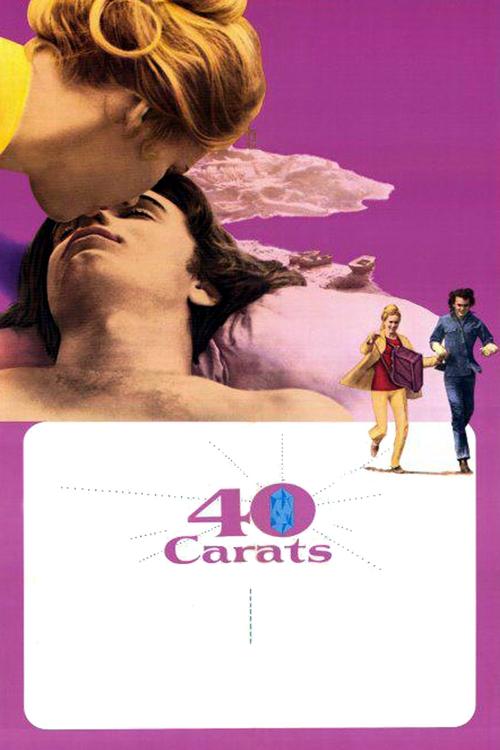
1973
PGDirector
Milton Katselas
Runtime
110 minutes
Average Rating
No ratings yetNew Showbiz Analysis
40 Carats succeeds as a character study of a woman's mid-life journey, particularly by challenging the stereotype that older women are less desirable. It emphasizes her emotional complexity and autonomy. However, the film is limited in its representation of diverse identities, such as race, LGBTQ+, and disabilities. It primarily focuses on a narrow social perspective, reflecting the demographics of its time.
Category Breakdown
The film does not include any LGBTQ+ characters or stories that question the idea that everyone is straight. The main love story focuses solely on a relationship between a man and a woman.
The story centers around a woman in her middle years who is actively navigating her life and making choices. It highlights her personal independence and the reclaiming of her desires rather than portraying her as passive.
The film reflects the demographic makeup typical of early 1970s movies, with a predominantly white cast set in an upper-middle-class environment.
The story follows conventional Western social structures and focuses on individual romantic fulfillment. It operates within a stable social context without questioning established cultural norms.
There are no visible representations of physical, sensory, or neurodivergent disabilities in the main storyline.
Present on Screen
Limited or Absent
Official Synopsis
After an overnight fling with a man nearly 20 years her junior while vacationing in Greece, Ann Stanley returns to New York assuming she'll never see Peter Latham again. Until, that is, he shows up on her doorstep to take her daughter to a party. Despite her yearning for Peter and the encouragement of her friends and family, Ann initially rebuffs him when he pursues her, but slowly she yields to his charm and her own stifled emotions.
1987
1963
1959

1971

1973

1969
1978
1973
No reviews yet. Be the first to share your thoughts on this movie!
Use the rating form above to leave a star rating and optional review.