Do Not Disturb
1965
No user ratings available yet
Representation score: 2.0 out of 10
Representation Score
Minimal
1963
NRDirector
John Rich
Runtime
104 minutes
Average Rating
No ratings yetNew Showbiz Analysis
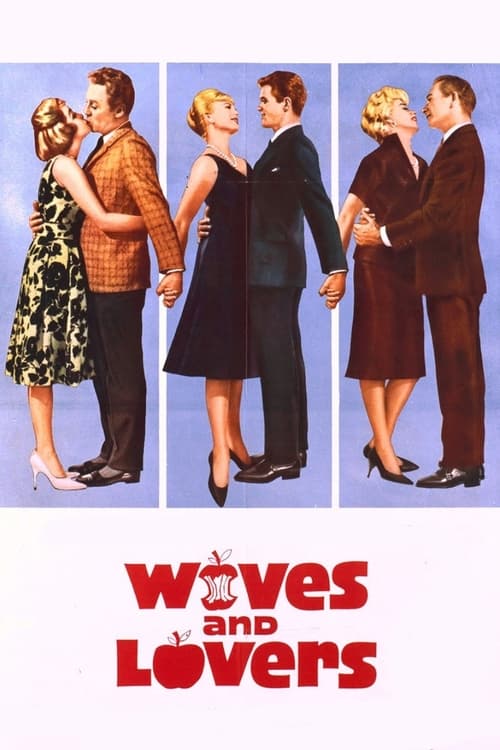
Wives and Lovers is a mid-century domestic melodrama that reinforces the social hierarchies of the 1960s. While the film delves into the emotional interiority of its female protagonists, it does so through a lens that ties them closely to traditional gender dynamics. The production lacks complexity in representing diverse identities, focusing instead on a narrow depiction of American life. The plot revolves around the pursuit of middle-class stability and the volatility of the nuclear family, without challenging established norms. Ultimately, the film prioritizes romantic obsession and domestic conflict over meaningful representation of diverse identities or systemic critiques.
Category Breakdown
The film does not include any identifiable LGBTQ+ characters or non-cisgender identities. All romantic conflicts are centered around heterosexual relationships.
While the story focuses on the emotional experiences of women, their actions are often reactive. Female characters are frequently defined by their reactions to the men in their lives.
The film features a homogeneous, white cast. There is no evidence of racial diversity or inclusion of characters of color within this mid-century setting.
The narrative follows a conventional Western framework emphasizing middle-class aspirations. It highlights domestic fidelity and upward mobility rather than systemic or ideological critique.
There are no visible or invisible disabilities portrayed among the primary cast or within the central character arcs.
Present on Screen
Limited or Absent
Official Synopsis
Husband and wife Bill and Bertie Austin and their daughter live in a low-rent apartment. He's a struggling writer, at least until agent Lucinda Ford breaks the news that she's sold his book to a publisher, including the rights to turn it into a Broadway play. A new house in Connecticut is the first way to celebrate. But during the long hours Bill is away working on the play, Bertie befriends hard-drinking neighbor Fran Cabrell and her boyfriend Wylie, who plant seeds of suspicion in Bertie's mind that Bill and his beautiful agent might be more than just business partners. Bertie jealously retaliates by flirting with Gar Aldrich, an actor who will be in her husband's play. Bill goes to Connecticut for a heart-to-heart talk, finds Gar there and punches him.
1965
1948
1966
1955
1941
1949
1953
1967
No reviews yet. Be the first to share your thoughts on this movie!
Use the rating form above to leave a star rating and optional review.