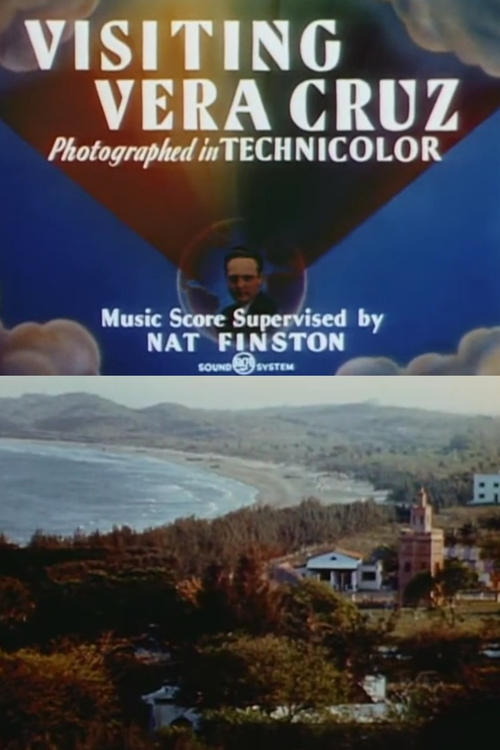
Visiting Vera Cruz
1946
No user ratings available yet
Representation score: 1.6 out of 10
Representation Score
Minimal
1943
ApprovedRuntime
9 minutes
Average Rating
No ratings yetNew Showbiz Analysis
This 1943 documentary serves as an ethnographic and industrial reportage of Mexico. It succeeds in providing a perspective centered on Mexican cities, historical landmarks, and industrial progress. However, the film lacks character-driven depth. Focusing on architecture and industry, it misses opportunities to explore diverse identities or individual ability to act. The representation is largely observational and tied to the geopolitical interests of the era. Ultimately, the work functions as a historical document of its time. It provides geographic visibility but lacks the narrative complexity or systemic critique necessary for a more inclusive profile.
Category Breakdown
The film does not depict any LGBTQ+ characters or stories. Instead, it focuses on historical sites and industrial infrastructure without addressing personal identities.
Women are shown only in incidental background footage of villages and factories, without any significant narrative involvement or ability to act.
The documentary highlights Mexican locales and cultural heritage. However, people are presented as part of a cultural landscape rather than as individuals with complex identities.
The film showcases the coexistence of religious traditions and modern industrial capitalism in Mexico. It presents a harmonious view of Mexican national identity and modernization.
There is no representation of physical or neurodivergent disabilities. The focus remains on large-scale landscapes and industrial machinery.
Present on Screen
Limited or Absent
Official Synopsis
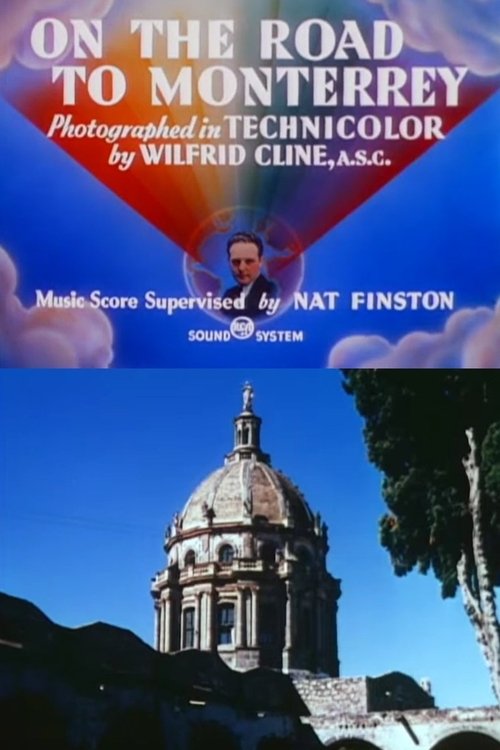
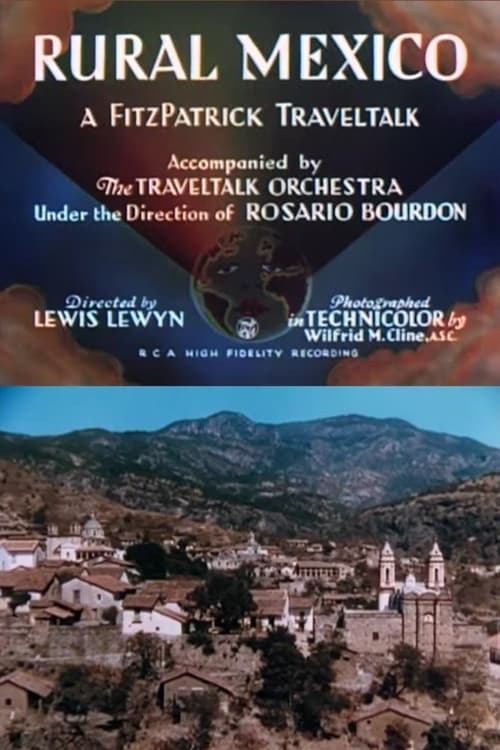
This Traveltalk series short visits three cities in Mexico. We start in the village of San Miguel de Allende, known for its churches. A monastery has been converted to a school of arts. The second stop is Queréaro, where a 5-mile-long aqueduct built hundreds of years ago is still functional. It was near this city that Emperor Maximilian was executed in 1867. Then it is on to Monterrey, the large industrial city whose nickname is the Pittsburgh of Mexico. Here are steel mills, other factories, and the largest brewery in Latin America.
1946
1945

1943
1942

1942
1953
1951
1935
No reviews yet. Be the first to share your thoughts on this movie!
Use the rating form above to leave a star rating and optional review.