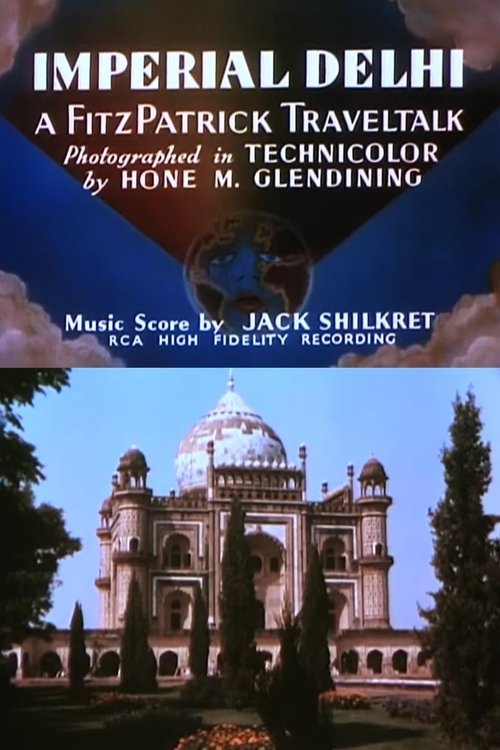
Imperial Delhi
1939
No user ratings available yet
Representation score: 2.1 out of 10
No Poster Available
Representation Score
Minimal
1952
ApprovedRuntime
9 minutes
Average Rating
No ratings yetNew Showbiz Analysis
Land of the Taj Mahal serves as a visual record of India's landscape following the 1947 Partition. Its observational nature means it lacks the character-driven depth needed to explore complex social identities or challenge traditional hierarchies. The film provides significant visibility to non-Western populations during a pivotal era of decolonization. It captures the reality of a post-colonial subcontinent, offering a rare look at the transition away from the British Raj. However, the documentary's limitations are evident due to its genre. Without scripted characters or intentional social commentary, the film remains a historical artifact that documents presence without providing ability to act or progressive representation.
Category Breakdown
The film does not include any narrative arcs or characterizations related to sexual orientation. It lacks any queer-coded subtext or non-straight relationships.
Women appear in both public and domestic settings, but the film does not provide narratives where they play a significant role in driving the story. The lens reflects traditional social roles from the 1950s.
The documentary focuses on the Indian experience during decolonization, providing visibility to non-Western populations. However, it functions as a visual survey rather than a nuanced exploration of multiple aspects of identity.
The film captures a society transitioning from colonial rule to independence, documenting cultural shifts and Western institutional remnants. It does not offer a clear ideological critique of religious or social structures.
There is no evidence of individuals with visible or invisible disabilities being included in the film's observational framework.
Present on Screen
Limited or Absent
Official Synopsis
A brief but colorful travelogue of India's biggest cities following the partition of the country in 1947 at the end of the British Raj.
1939
1952
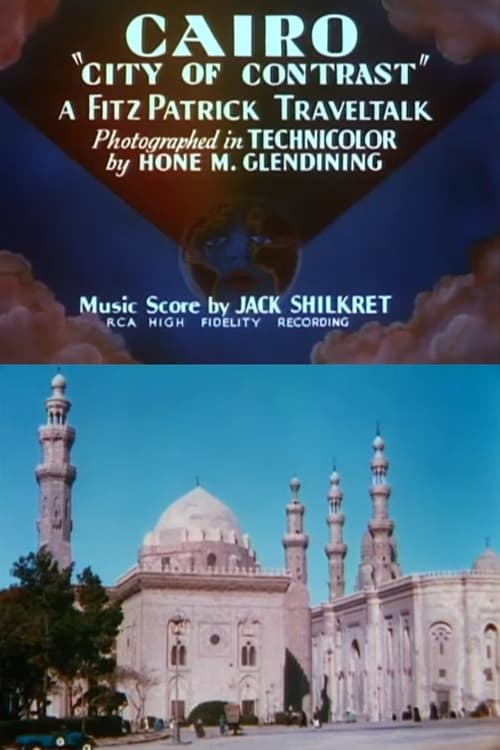
1938
1951
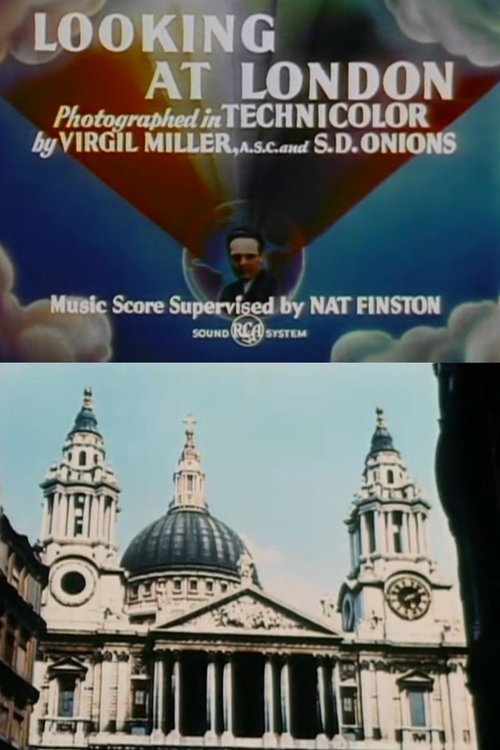
1946
1951
1954
1935
No reviews yet. Be the first to share your thoughts on this movie!
Use the rating form above to leave a star rating and optional review.