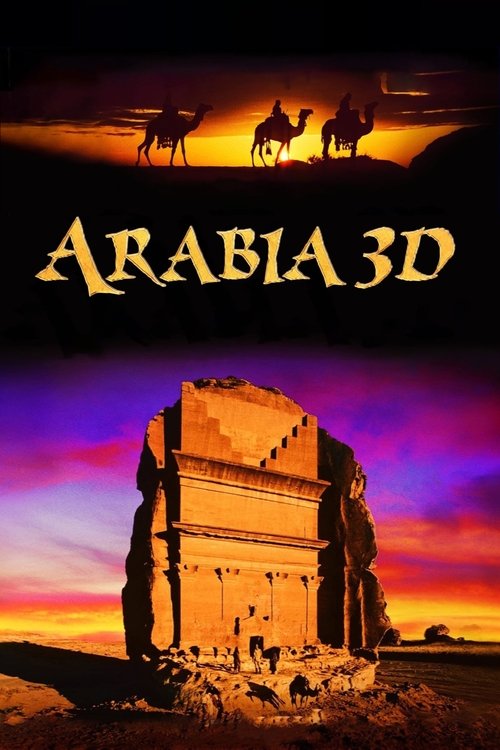
Arabia 3D
2010
No user ratings available yet
Diversity score: 2.8 out of 10
No Poster Available
1952
ApprovedRuntime
9 minutes
Average Rating
No ratings yetSynopsis
This Traveltalk series short visits a few locations where the centuries-old traditions of ancient India are kept alive in contemporary times.
Overall Score
Limited
Category Breakdown
LGBTQ+ Representation
The documentary lacks any evidence of LGBTQ+ character arcs or non-cisnormative gender depictions. It focuses on centuries-old traditions that typically emphasized heteronormative social structures.
Gender Representation
The film utilizes a traditionalist lens that documents women within their cultural contexts. However, it lacks the structural agency to subvert traditional gender hierarchies or domestic expectations.
Racial & Ethnic Diversity
As a documentary centered on Indian traditions, the film provides significant visibility to non-Western subjects. This focus on Indian heritage exceeds the Western-centric norms of 1950s cinema.
Religious & Cultural Diversity
The film functions as a preservationist archive of tradition rather than a critique of institutions. It focuses on the continuity of tradition within an observational framework.
Disability Representation
There is no documented evidence regarding the inclusion of individuals with visible or invisible disabilities. The film does not address disability representation.
Strengths
Areas for Improvement
AI Analysis
Ancient India serves as a historical artifact of mid-century ethnographic observation. Its primary contribution to diversity lies in its geographic and ethnic scope, offering a window into non-Western traditions during an era of Western media hegemony. However, the documentary format and the social mores of 1952 limit its depth. The film operates as a cultural survey rather than a progressive narrative, lacking intersectional complexity or modern identity-based agency. Ultimately, while it provides essential visibility to Indian heritage, it remains constrained by the observational nature of the Traveltalk series.
2010

1946
1940
1945
1941
1945
1946
1952
1943

2017
1939
2006
No reviews yet. Be the first to share your thoughts on this movie!
Use the rating form above to leave a star rating and optional review.