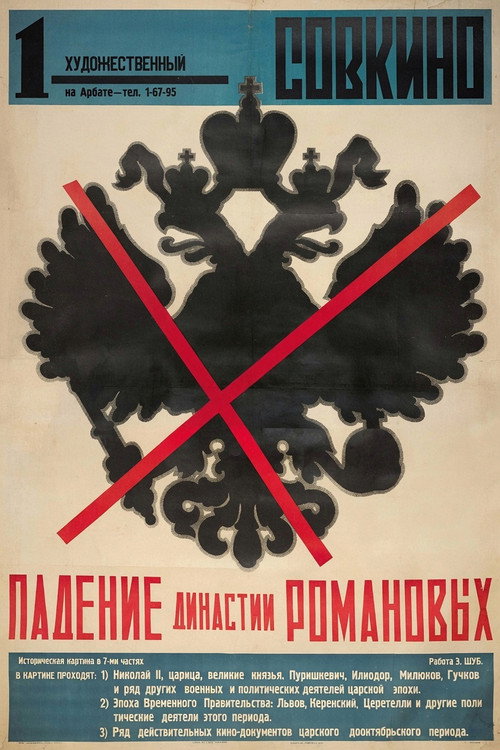
The Fall of the Romanov Dynasty
1927
No user ratings available yet
Representation score: 3.8 out of 10
Representation Score
Minimal
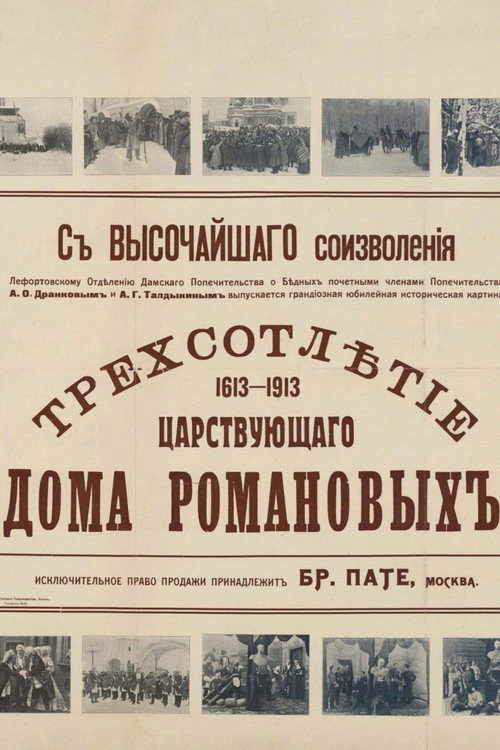
1913
Director
Nikolai Larin, Aleksandr Uralsky
Average Rating
No ratings yetNew Showbiz Analysis
This large-scale historical production serves as a monumental celebration of the Romanov lineage and the Russian Empire. Its primary goal is to uphold established social, religious, and political institutions through a lens of nationalistic fervor. The film reinforces traditional hierarchies and the sanctity of the state over any subversion of systemic power dynamics.
Category Breakdown
The film celebrates the Romanov dynasty and emphasizes traditional monarchical family structures. It does not explore non-binary or transgender identities.
The narrative follows strict early 20th-century hierarchies, focusing on patriarchal succession within the imperial framework.
The production highlights a homogeneous Russian imperial identity. Non-Slavic subjects may lack significant roles, serving primarily to illustrate the Tsar's dominion.
This work upholds Western-aligned monarchical institutions and the divine right of kings through state-sanctioned historical commemoration.
There is no documented evidence of characters with physical or neurodivergent disabilities within this historical production.
Present on Screen
Limited or Absent
Official Synopsis
This large historical production was staged simultaneously with A. Khanzhonkov's painting "The Accession of the House of Romanov", but it was carried out on a larger scale; It ends with documentary footage of the coronation of Nicholas II.
1927
1928
1902

2002
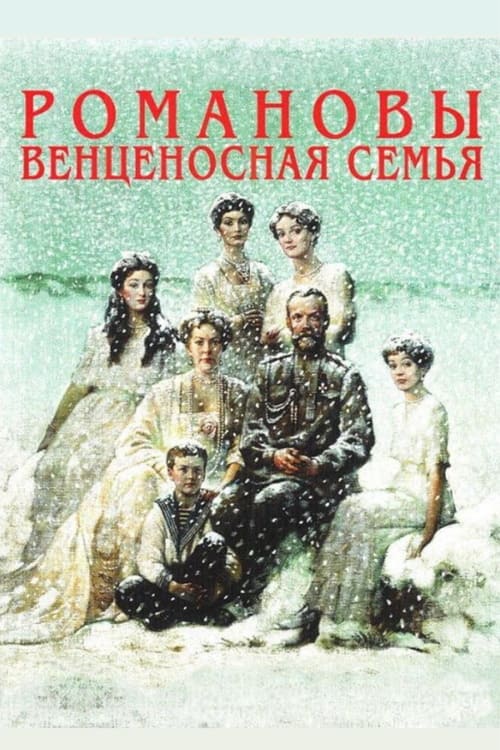
2000
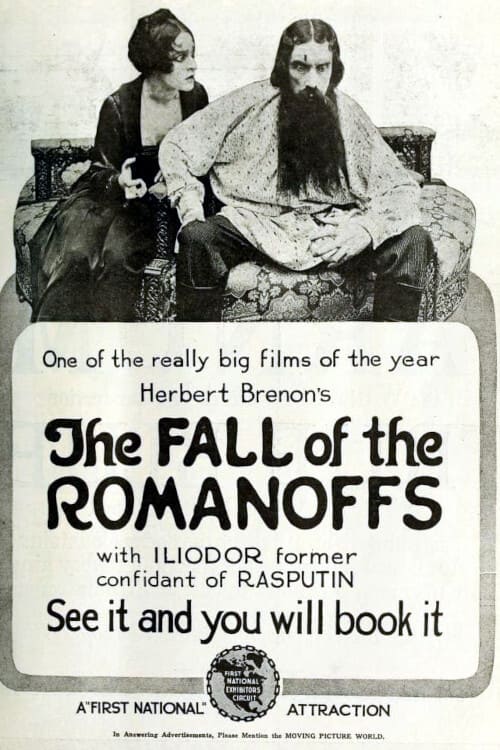
1918
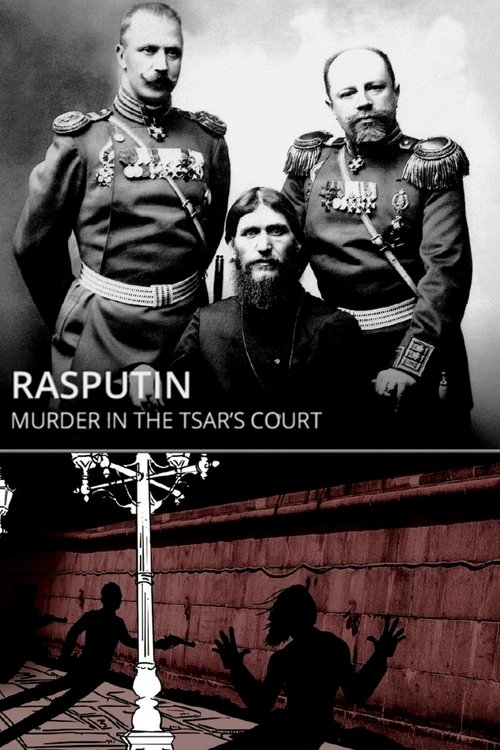
2016
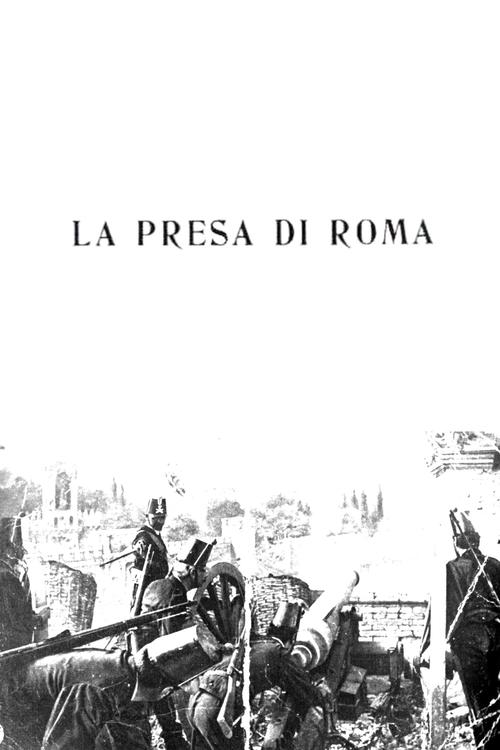
1905
No reviews yet. Be the first to share your thoughts on this movie!
Use the rating form above to leave a star rating and optional review.