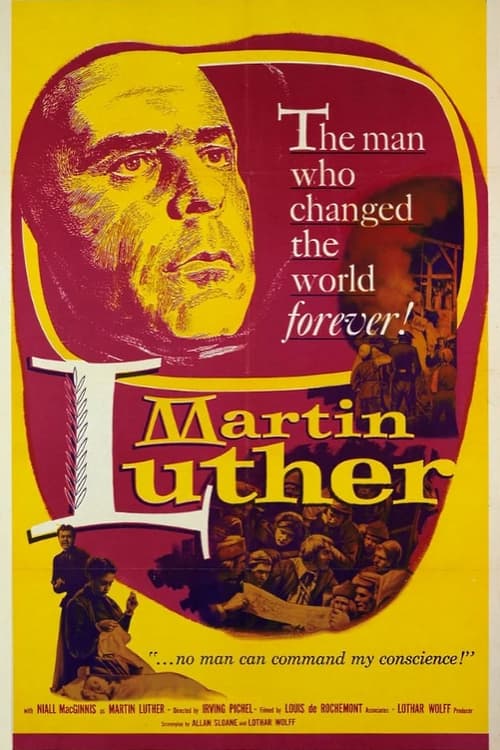
Martin Luther
1953
No user ratings available yet
Representation score: 0.7 out of 10
Representation Score
Limited
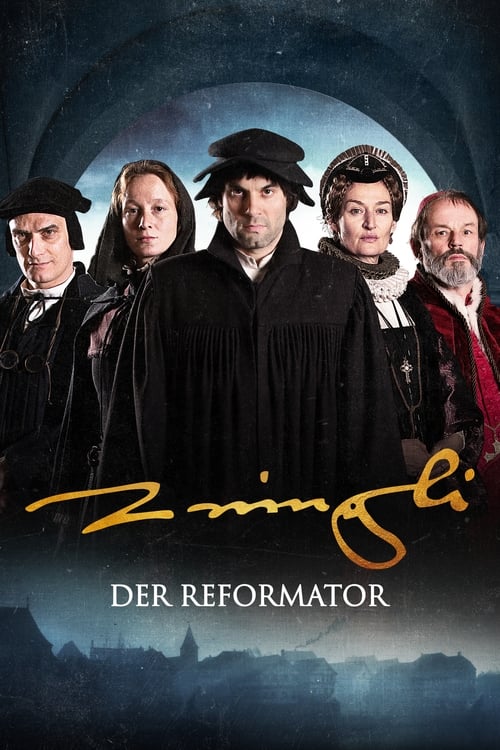
2019
Director
Stefan Haupt
Runtime
124 minutes
Average Rating
No ratings yetNew Showbiz Analysis
The film is a traditional historical biography that prioritizes historical accuracy over modern characters who reflect more than one aspect of diversity. It focuses on the psychological landscape of its subjects within a specific historical context. While demographic diversity is limited due to the setting, the film excels in its cultural critique. It portrays the disruption of established religious hierarchies and the tension between individual ability to act and systemic power. Ultimately, the production remains conventional, favoring a localized study of the Swiss Reformation over the inclusion of underrepresented identity groups.
Category Breakdown
The film strictly follows the conventions of the 16th-century Swiss Reformation, which assumes everyone is straight and cisgender. There are no LGBTQ+ characters or stories about non-cisgender identities.
Anna Reinhart is a key figure who navigates economic and religious instability with significant influence. Despite operating within a patriarchal system, her perspective offers a moderate look at gender dynamics.
The cast and setting are primarily homogeneous, reflecting the demographics of 16th-century Zurich. The film focuses on a localized historical study rather than a diverse range of characters.
The story centers on the dismantling of religious dominance and the critique of church corruption. It examines the struggle for interpretive freedom against established religious authorities.
The film does not focus on physical disabilities, neurodivergence, or mental health issues as central narrative elements or character arcs.
Present on Screen
Limited or Absent
Official Synopsis
Zurich in 1519: The young widow Anna Reinhart lives a barren life between fear of the church and worries about the future of her three children, when the arrival of a man in the city causes turmoil: The young priest Ulrich Zwingli takes up his new position at the Grossmünster in Zurich and sparks fierce discussions with his sermons against the grievances of the Catholic Church. Zwingli's revolutionary thoughts frighten Anna. But when she sees how Zwingli lives charity and not just preaches, she increasingly becomes fascinated by him. But Zwingli's success quickly becomes dangerous. His ideas almost trigger a civil war, and at the same time a struggle for power and interpretive sovereignty breaks out in the inner circle of the movement. When the Catholic forces begin to form internationally, the relationship between Zwingli and Anna is put to a hard test.
1953
2005
2000
1963
2003
2003
1949
2023
No reviews yet. Be the first to share your thoughts on this movie!
Use the rating form above to leave a star rating and optional review.