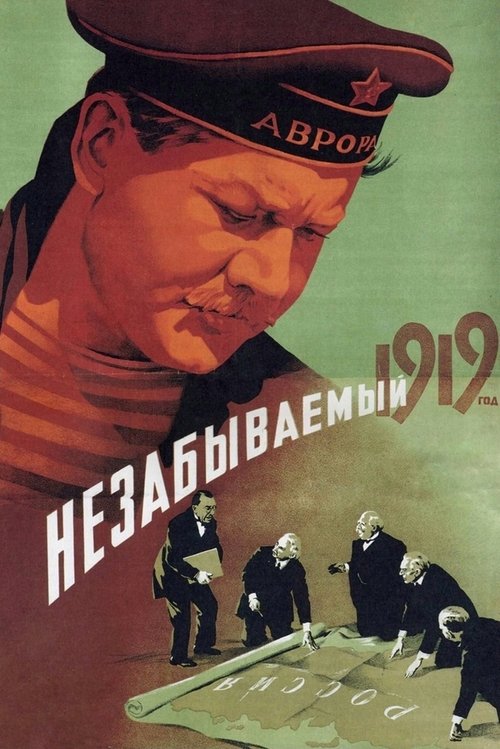
The Unforgettable Year 1919
1951
No user ratings available yet
Diversity score: 3.9 out of 10
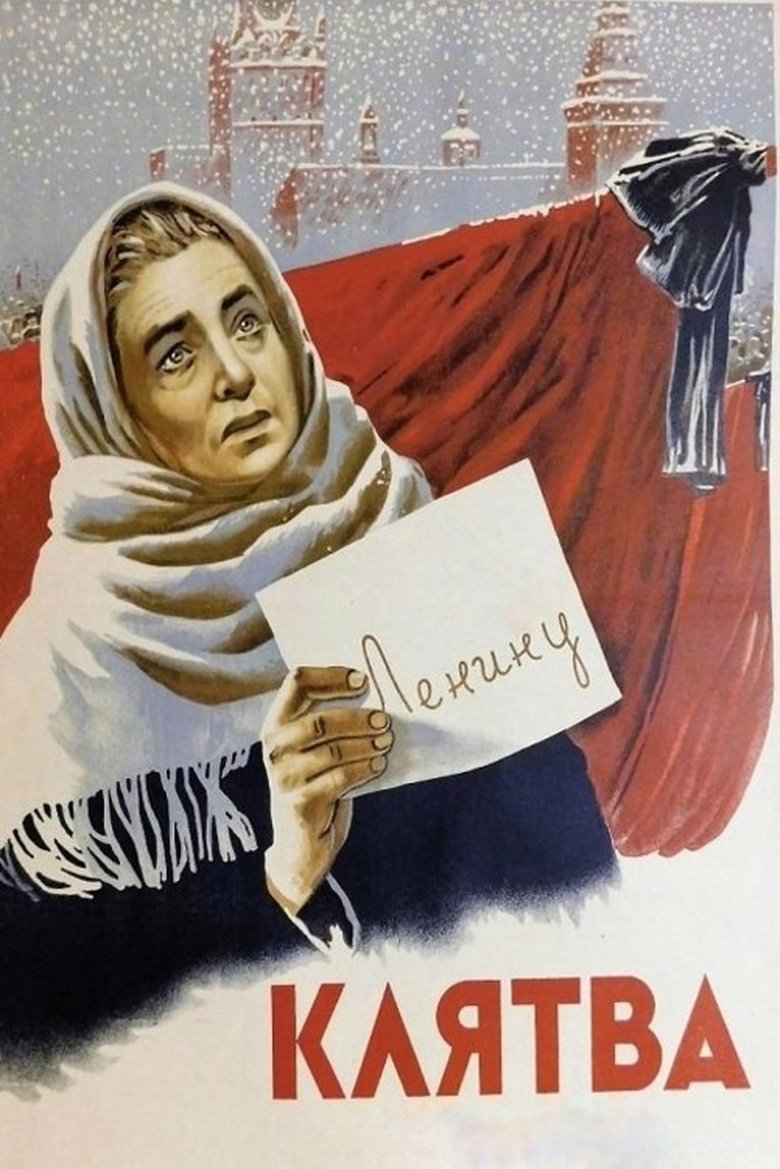
1946
Director
Mikheil Chiaureli
Runtime
109 minutes
Average Rating
No ratings yetSynopsis
The story of Stalin and the Soviet people.
Overall Score
Limited
Category Breakdown
LGBTQ+ Representation
The film adheres to rigid 1946 Soviet ideological frameworks. There is no evidence of non-cisnormative identities or narratives that challenge heteronormativity.
Gender Representation
Leadership and decisive agency are concentrated in male figures of authority. The film prioritizes patriarchal state structures over the subversion of gendered roles.
Racial & Ethnic Diversity
Representation reflects the multi-ethnic USSR through the lens of Soviet Internationalism. It promotes a monolithic state identity rather than celebrating distinct ethnic nuances.
Religious & Cultural Diversity
The narrative prioritizes secular, state-aligned morality over religious influence. It positions the vow to the state as the supreme moral imperative.
Disability Representation
Characters are depicted as idealized, able-bodied archetypes of the New Soviet Man. There is no exploration of neurodivergence or physical disability with agency.
Strengths
Areas for Improvement
AI Analysis
The Vow is a specialized piece of ideological cinema designed to reinforce the legitimacy of the existing power structure. It functions by synthesizing individual identities into a singular, state-aligned collective rather than representing diverse lived experiences. While the film excels in its aggressive deconstruction of Western capitalism and religious influence, it remains deeply conservative regarding social hierarchies. The narrative architecture prioritizes the stability of the state over intersectional complexity. Ultimately, the film serves as a tool for promoting a monolithic identity, favoring idealized archetypes over the nuanced representation of gender, disability, or ethnic distinction.
1951
1938
1963
2004
1942

1953
2005
1966

1957
1990
1939
1976
No reviews yet. Be the first to share your thoughts on this movie!
Use the rating form above to leave a star rating and optional review.