
The Reformer. Zwingli: A Life's Portrait
2019
No user ratings available yet
Representation score: 2.1 out of 10
Representation Score
Minimal
2000
Director
Giulio Base
Runtime
0 minutes
Average Rating
No ratings yetNew Showbiz Analysis
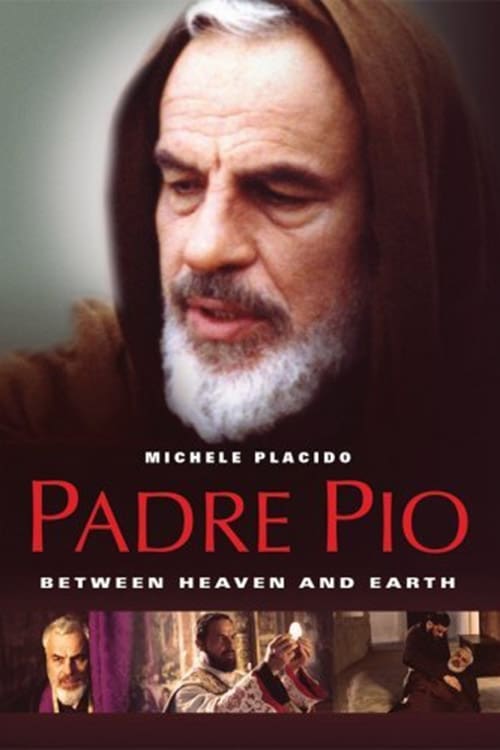
Padre Pio: Between Heaven and Earth is a traditional hagiographic biopic that prioritizes theological authenticity over social subversion. The film functions as a study of religious devotion, reinforcing the historical and spiritual continuity of the Catholic Church. Because the narrative is built around a central religious figure in early 20th-century Italy, the cast and social structures are intentionally homogeneous. The film does not attempt to engage with multi-layered identity politics or disrupt established hierarchies. Ultimately, the production serves to preserve a specific cultural heritage. It focuses on the sanctity of the subject matter, which results in a reinforcement of traditional Western religious and patriarchal structures.
Category Breakdown
The film does not include any visible LGBTQ+ characters or narratives. The social landscape adheres closely to the traditional religious norms of the early 20th century.
The male protagonist holds most of the ability to act, reflecting traditional gender hierarchies. Women appear in socioeconomic roles but do not challenge masculine leadership or traditional femininity.
The cast is predominantly homogeneous, reflecting the historical demographics of rural Italy. The film does not use diverse casting to challenge the era's social constraints.
The narrative honors Catholic mysticism and Christian morality, promoting traditional values of faith and vocation over secularist perspectives.
The protagonist's stigmata is central to his identity, framed as a miracle rather than a lived disability. It avoids clinical or social disability clichés.
Present on Screen
Limited or Absent
2019
1950
1997
2005
1949
2003
2004
1979
No reviews yet. Be the first to share your thoughts on this movie!
Use the rating form above to leave a star rating and optional review.