Younger and Younger
1993
No user ratings available yet
Representation score: 4.6 out of 10
Representation Score
Fair
1998
RDirector
Wonsuk Chin
Runtime
97 minutes
Average Rating
No ratings yetNew Showbiz Analysis
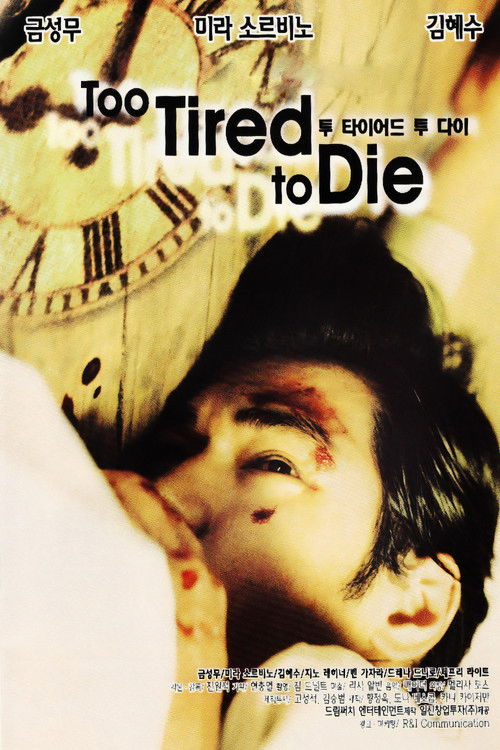
Too Tired to Die offers a moderate level of representation by centering a non-Western protagonist within a metaphysical drama. This choice provides a refreshing departure from the white-centric heroism often found in high-concept fantasy. However, the film lacks depth in exploring diverse social or gendered hierarchies. While the film succeeds in diversifying the protagonist's background, it does not actively challenge systemic structures or provide significant representation for other underrepresented groups.
Category Breakdown
The story focuses on a single protagonist and a personified figure of Death. There are no explicit LGBTQ+ characters or critiques of the assumption that everyone is straight or cisgender.
The story centers on a male protagonist and a female personification of Death. It is unclear if the interaction between these figures challenges or reinforces traditional gender hierarchies.
The film centers a Japanese protagonist, moving beyond Western-centric storytelling. This placement disrupts conventional expectations of white-centric protagonists in high-concept fantasy genres.
The premise suggests a focus on individual experience over religious dogma. However, the portrayal of social institutions or familial structures remains largely undefined.
The synopsis provides no mention of characters navigating physical, neurodivergent, or mental health conditions. No assessment of disability-related roles is possible.
Present on Screen
Limited or Absent
Official Synopsis
Kenji is a Japanese twenty-something who is followed by Death in various disguises. When he finally faces her, Death tells him that he has only 12 hours to live and he needs to make the most of it.
1993

1989
2008

2016
1991
1991

2002
1991
No reviews yet. Be the first to share your thoughts on this movie!
Use the rating form above to leave a star rating and optional review.