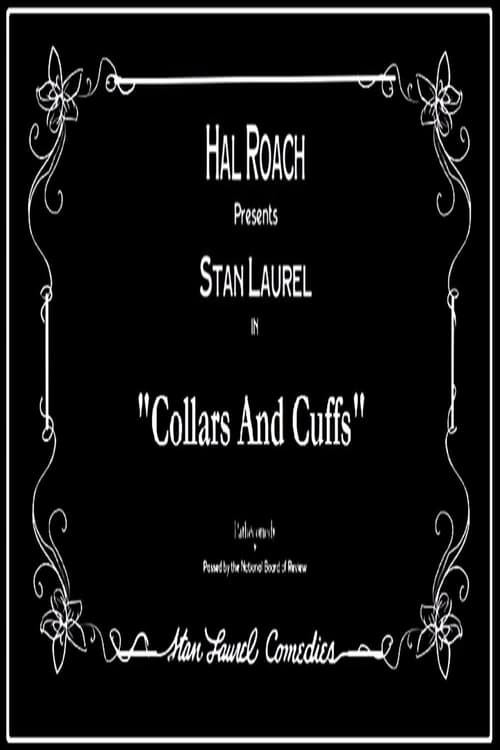
Collars and Cuffs
1923
No user ratings available yet
Representation score: 2.6 out of 10
Representation Score
Limited
1923
Director
Ralph Ceder
Runtime
23 minutes
Average Rating
No ratings yetNew Showbiz Analysis
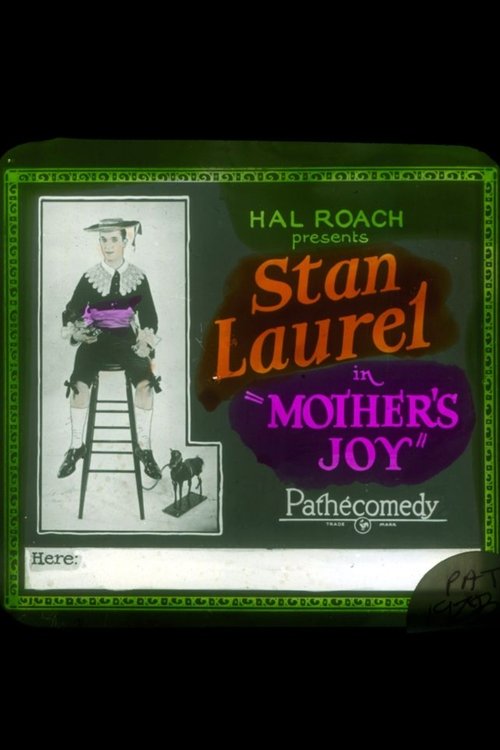
Mother's Joy is a product of its time, operating within the standard social and cinematic constraints of the early 1920s. It prioritizes physical humor and situational clichés over complex social commentary or the disruption of traditional hierarchies. The film lacks intentionality regarding diverse representation. Instead, it reinforces the conventional cultural and demographic norms of the silent comedy genre, focusing on lighthearted escapism rather than nuanced portrayals.
Category Breakdown
The film does not include any characters with non-binary gender identities or same-sex relationships. It follows the assumption that everyone is straight or cisgender, which was common in 1923 silent comedies.
Gender roles in the film seem traditional, possibly reflecting period-specific clichés about domestic life. Slapstick humor may depict masculinity as clumsy for laughs, but it doesn't challenge systemic gender roles.
The cast is homogeneous, reflecting the casting norms of the early 1920s. There is no indication of diverse ethnic casting or symbolic representations of race.
The story operates within traditional Western frameworks and family structures. It emphasizes social cohesion and light-hearted humor rather than challenging institutional norms.
Physical comedy in this era often relies on exaggerated movements. There is a risk that disabilities might be used as comedic devices rather than nuanced character portrayals.
Present on Screen
Limited or Absent
Official Synopsis
Mother's Joy is a 1923 silent comedy film starring Stan Laurel.
1923
1927
1924
1926
1927
1926
1924
1922
No reviews yet. Be the first to share your thoughts on this movie!
Use the rating form above to leave a star rating and optional review.