
Fatima
1958
No user ratings available yet
Representation score: 3.2 out of 10
Representation Score
Limited
1947
ApprovedDirector
Bernard Knowles
Runtime
100 minutes
Average Rating
No ratings yetNew Showbiz Analysis
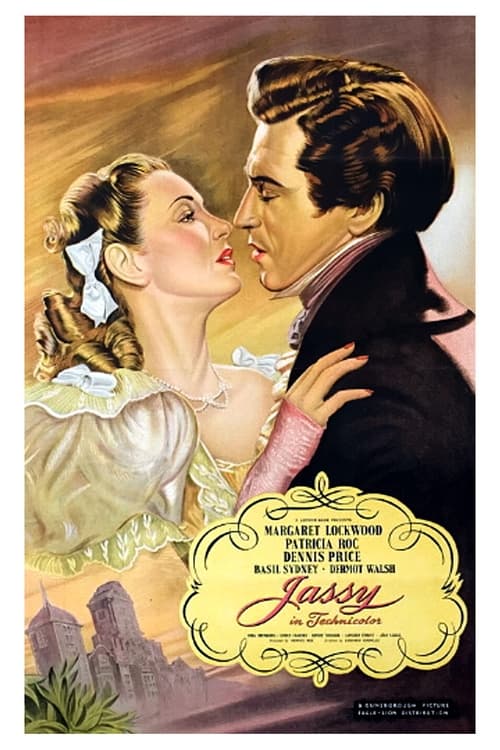
Jassy functions as a traditional period drama that centers on a Romani protagonist. While this introduces ethnic diversity to the setting, the film's core objectives remain deeply conventional. The narrative focuses on social climbing, romantic pursuits, and the preservation of ancestral property. The protagonist's significant role is notable but constrained by the era's gendered expectations. Her efforts to influence the fate of the Mordelaine estate are inextricably linked to her romantic motivations and her status as a servant. Ultimately, the film adheres to mid-century cinematic values. It seeks to protect established social institutions rather than challenge them, resulting in a story that reinforces existing hierarchies.
Category Breakdown
The film does not include any LGBTQ+ characters or narratives. The romantic storyline follows a traditional structure centered around a heterosexual relationship.
Jassy plays a significant role in navigating social hierarchies to save an estate. However, her motivations are tied to romantic interests and traditional domestic roles.
The story introduces ethnic diversity through a Romani protagonist in an Anglo-Saxon setting. It explores the tension between her heritage and the superstitions of the local villagers.
The plot centers on preserving 19th-century English class structures and landed estates. It reinforces traditional Western values related to inheritance and social stability.
The protagonist's second sight is presented as a supernatural gift. There is no representation of physical or neurodivergent disabilities.
Present on Screen
Limited or Absent
Official Synopsis
In 19th century England, Jassy is a young Gypsy girl blessed with the gift of second sight. Pursued by superstitious villagers, she is rescued by the son of the owner of Mordelaine, a vast stately home. Unfortunately, his father's drinking and gambling threaten the very ownership of the house. Despite her humble origins as a servant girl, Jassy must try to use her talents to climb the social ladder and save Mordelaine for the man whom she loves.
1958

1959

1951

1959
1921

1963

1921

1943
No reviews yet. Be the first to share your thoughts on this movie!
Use the rating form above to leave a star rating and optional review.