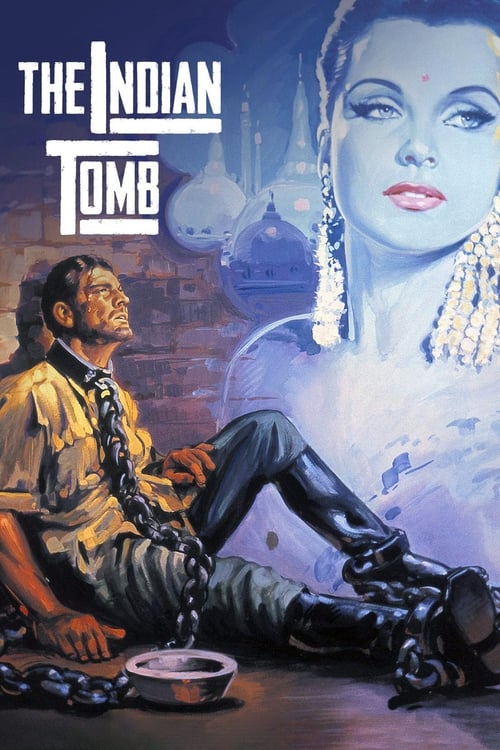
The Indian Tomb
1959
No user ratings available yet
Diversity score: 2.8 out of 10

1926
PassedDirector
Maurice Tourneur
Runtime
80 minutes
Average Rating
No ratings yetSynopsis
Gervas Carew's wife, Elinor, has deserted him while he was fighting for France, for Lord Clyde Geraldine, a cad of the first order, but Elinor, in turn is cast off when Lord Geraldine turns his attention to an Irish lass, Marny. Marny has no idea of Geraldine's past nor his brutal nature.
Overall Score
Limited
Category Breakdown
LGBTQ+ Representation
The film lacks LGBTQ+ characters or queer themes. The central conflict focuses entirely on traditional romantic entanglements and heteronormative infidelity.
Gender Representation
Gender roles follow 1920s tropes, focusing on a wife's desertion and a male antagonist's shifting affections. The narrative does not subvert patriarchal structures.
Racial & Ethnic Diversity
The inclusion of an Irish character, Marny, provides some ethnic distinction. However, this identity appears to function primarily as a plot device.
Religious & Cultural Diversity
The story operates within conventional moral frameworks of the era. It centers on loyalty and betrayal rather than critiquing Western institutions or secularism.
Disability Representation
There is no information regarding the portrayal of physical or neurodivergent disabilities in this film.
Strengths
Areas for Improvement
AI Analysis
Old Loves and New is a period melodrama that prioritizes individual romantic conflict over social or systemic exploration. The narrative relies heavily on established tropes of the silent era, focusing on infidelity and shifting loyalties between a husband, a deserting wife, and a cad-like antagonist. While the film introduces ethnic variety through an Irish character, these elements serve the plot's momentum rather than offering deep cultural insight. The representation remains functional, adhering to the social constraints and moral frameworks typical of 1926 cinema.
1959
1959

1933
1921
1930
1937
1935
1965
1958

1919
1952

1926
No reviews yet. Be the first to share your thoughts on this movie!
Use the rating form above to leave a star rating and optional review.