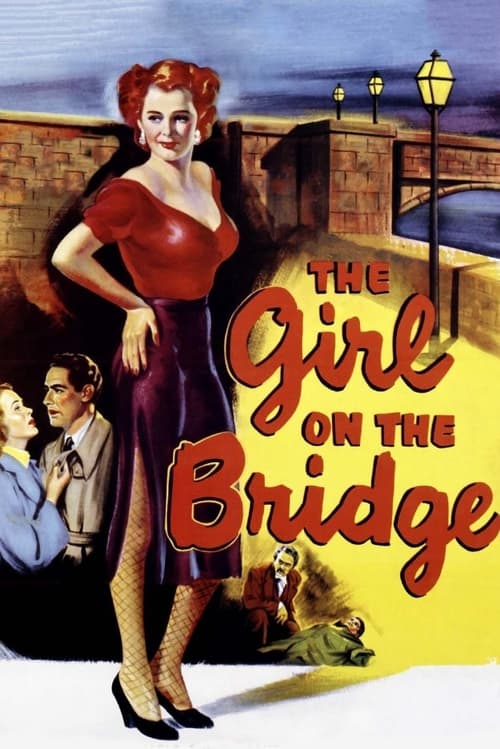
The Girl on the Bridge
1951
No user ratings available yet
Representation score: 2.0 out of 10
No Poster Available
Representation Score
Limited
1950
15Director
Eugen York
Runtime
82 minutes
Average Rating
No ratings yetNew Showbiz Analysis
Schatten der Nacht is a mid-century European drama that operates within the rigid social hierarchies of its time. The narrative focuses on individual melodrama and the consequences of private transgressions rather than challenging established norms. The film's structure relies on traditional gender roles and moral frameworks. While the female protagonist experiences significant hardship, her journey ultimately leads to a conventional resolution through a male figure. Overall, the work lacks significant representation of diverse racial, cultural, or identity-driven perspectives, reflecting the localized and homogeneous focus typical of 1950s cinema.
Category Breakdown
The story revolves around a past romantic relationship between Elga and Struwe. While hints of a hidden past create tension, there is no explicit confirmation of non-straight relationships.
Elga drives the plot through her struggles with blackmail and social ruin. However, the narrative follows a traditional melodrama where a husband provides emotional and social redemption.
The film appears to adhere to the homogeneous social norms of its era. There is no evidence of a diverse or non-Anglo-Saxon majority cast.
The plot is driven by the preservation of social standing and reputation. It aligns with traditional Western moral structures without offering any institutional critique.
The narrative contains no mention of characters with visible or invisible disabilities, neurodivergence, or chronic health conditions.
Present on Screen
Limited or Absent
Official Synopsis
Elga's life with Magnus, her husband, would be a happy one if Struwe, her former lover, had not resurfaced and started to blackmail her.For a while, he has been extorting money from her, threatening, if she didn't, to reveal all the details about their past life. In desperation, Elga decides to disappear and goes to another town where, forsaken and forlorn, she sinks lower and lower. One day, Magnus, who has not forgotten her, meets her by chance. And he falls in love with this stray creature who reminds him of the one who left him so suddenly...
1951

1952
1954
1943
1940
1952

1953
1961
No reviews yet. Be the first to share your thoughts on this movie!
Use the rating form above to leave a star rating and optional review.